
Industrial facilities waste thousands of pesos monthly on blade replacements and equipment downtime. The right blade design changes everything. MAIKONG specializes in engineered solutions that transform problematic waste streams into profitable recycling operations.
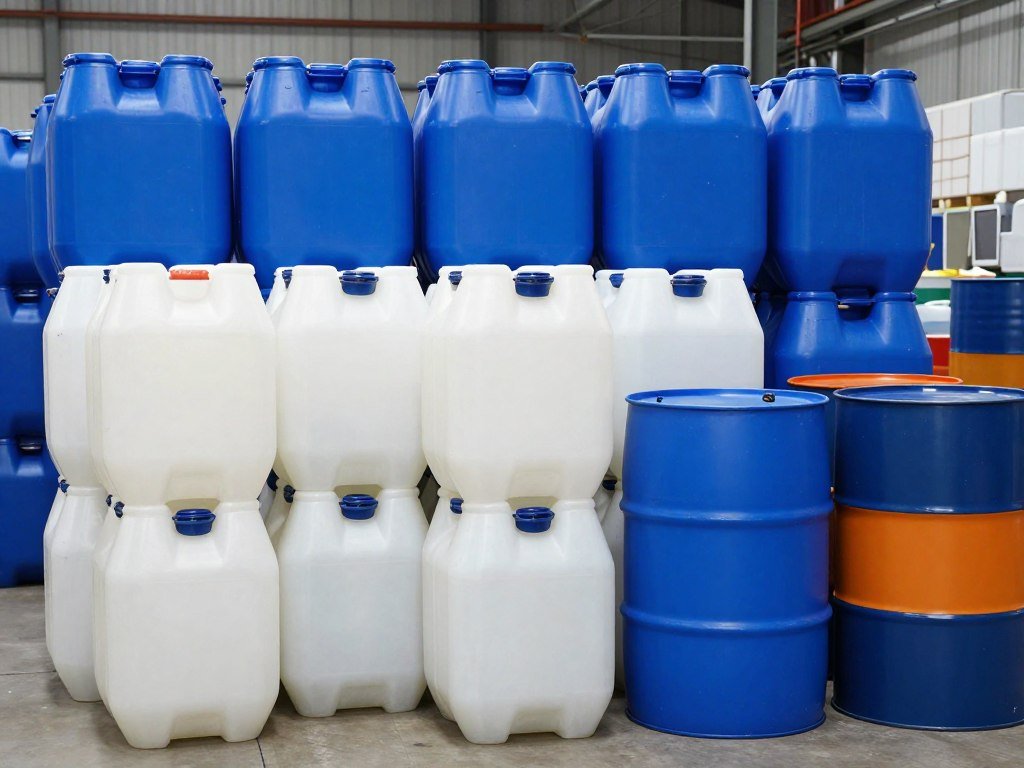
Difficult-to-Shred Plastics in Industrial Settings
Not all plastic waste yields easily to standard shredding equipment. Certain materials resist conventional blade designs due to their molecular structure, thickness, or reinforcement elements. Philippine manufacturers encounter these challenging materials daily.
High-Density Materials
HDPE containers, industrial totes, and thick-walled bottles require specialized cutting approaches. These dense plastics dull standard blades rapidly. Their molecular chains resist separation, demanding higher torque and sharper cutting angles.
Reinforced Composites
Fiber-reinforced plastics and multi-layer materials pose unique challenges. Glass fibers embedded in plastic matrices damage conventional blades. These composite items appear frequently in automotive and construction waste streams across GD and SZ regions.
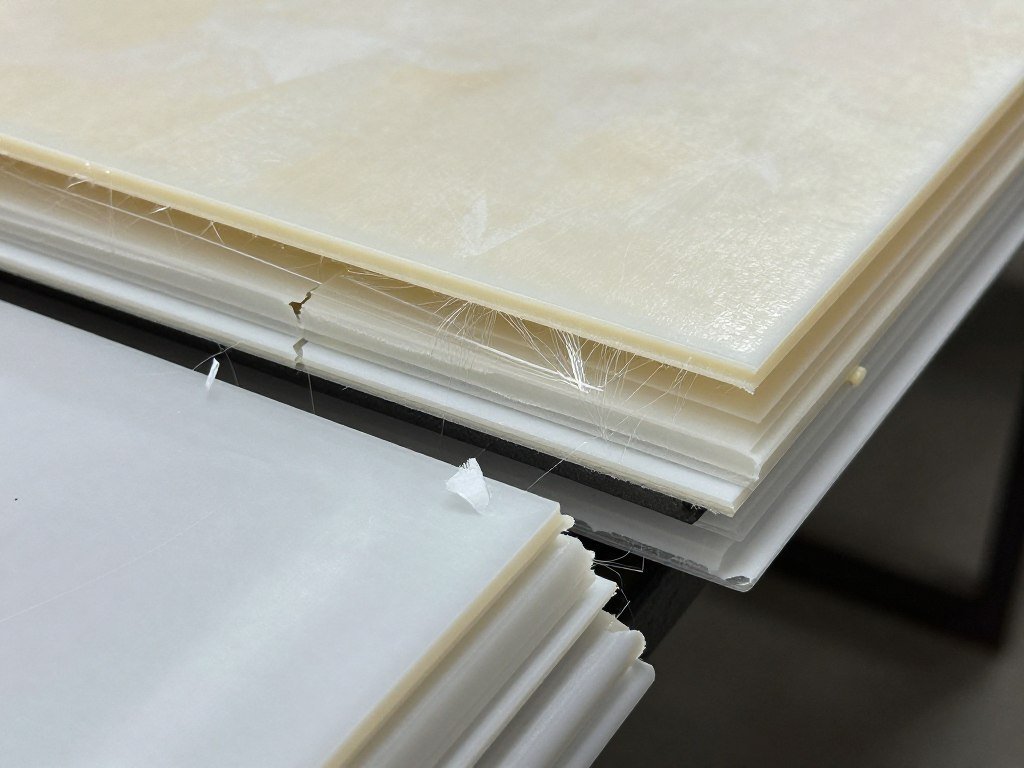
Rubber-plastic combinations create additional complexity. Medical waste, electronic housings, and specialized packaging often combine multiple material types. Standard shredders struggle with these hybrid items, reducing throughput and increasing maintenance requirements.
Essential Blade Design Elements for Difficult-to-Shred Plastics
Custom blade configurations address specific material challenges through engineered geometry and metallurgy. MAIKONG plastic shredder machines incorporate three critical design parameters that determine shredding effectiveness.
Cutting Angle Optimization
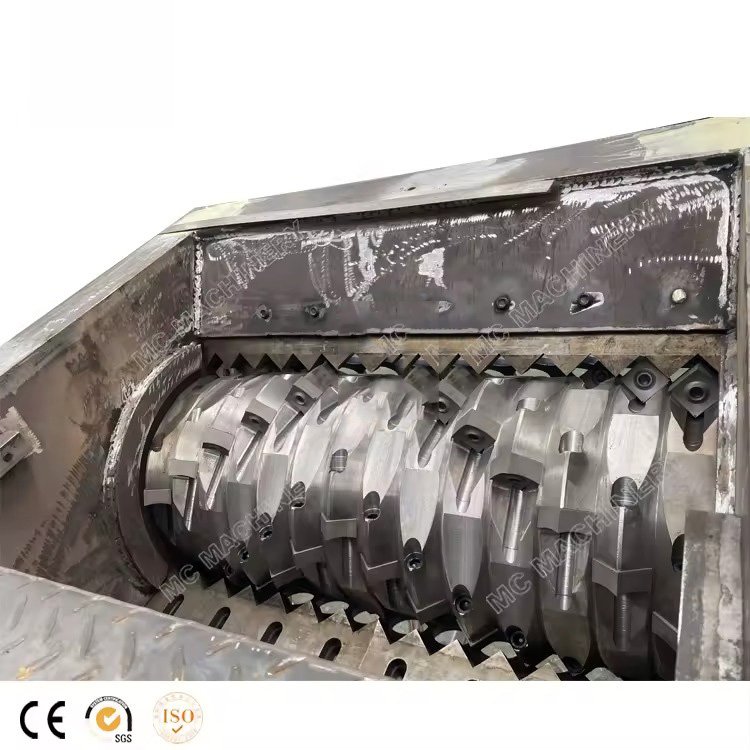
Blade angle affects material engagement and cutting efficiency. Aggressive angles between 35-45 degrees work best for rigid plastics. Shallower angles suit flexible materials that require slicing rather than chopping action.
Tooth Configuration
Tooth spacing and shape determine how material enters the cutting zone. Wide spacing handles bulky items effectively. Closely-spaced teeth process thin-walled containers and film materials with minimal jamming.
Material Hardness
Blade steel composition directly impacts wear resistance and edge retention. Tool steel alloys treated to 58-62 HRC hardness maintain sharpness when processing abrasive materials like filled polymers and composites.
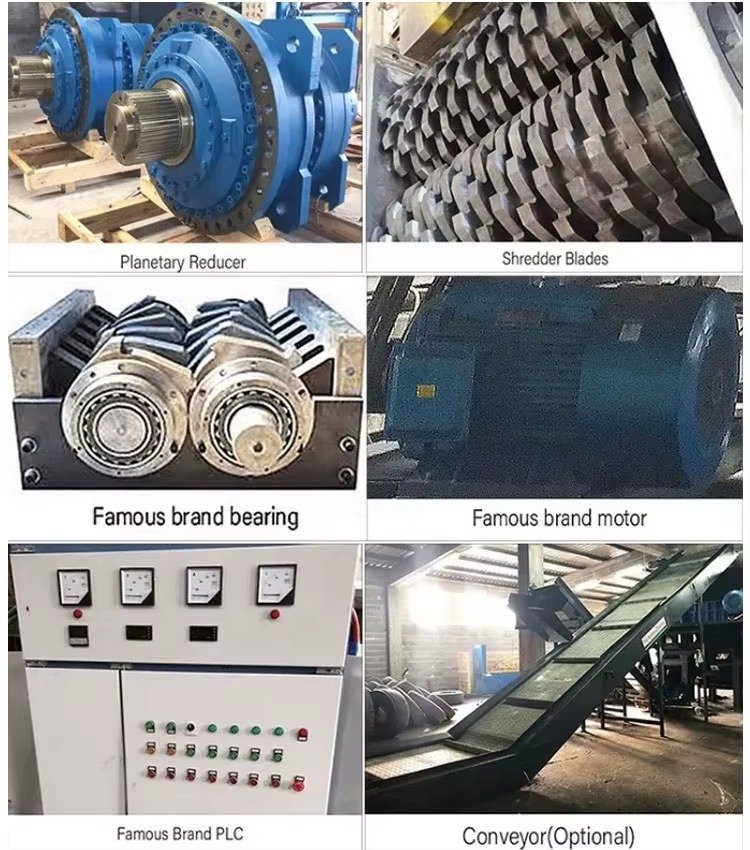
Rotor diameter influences cutting force and particle size. Larger diameter rotors generate greater momentum, crushing tough materials more effectively. MAIKONG industrial plastic shredder models range from 220mm to 650mm diameter, matching blade configuration to application requirements.
Need Expert Blade Configuration Advice?
Our technical team analyzes your specific plastic waste challenges and recommends optimal blade designs. Get professional guidance on selecting the right shredder configuration for your materials.
Blade Solutions for Common Difficult-to-Shred Plastics
Different plastic types demand specialized blade approaches. Philippine recycling operations process diverse waste streams requiring customized shredding strategies. Here are proven configurations for the most challenging materials.
| Plastic Type | Challenge | Blade Configuration | Rotor Speed |
| HDPE Containers | High density, thick walls | Heavy-duty teeth, 40° angle | 60-80 RPM |
| PVC Pipes | Rigid, brittle fracture | Wide spacing, 35° angle | 70-90 RPM |
| PP Totes | Impact resistance | Reinforced tips, 42° angle | 65-85 RPM |
| Fiber Composites | Abrasive fibers | Hardened steel, 38° angle | 55-75 RPM |
| Rubber-Plastic Mix | Material wrapping | Anti-wrap design, 45° angle | 50-70 RPM |
Processing Thick-Walled Industrial Containers
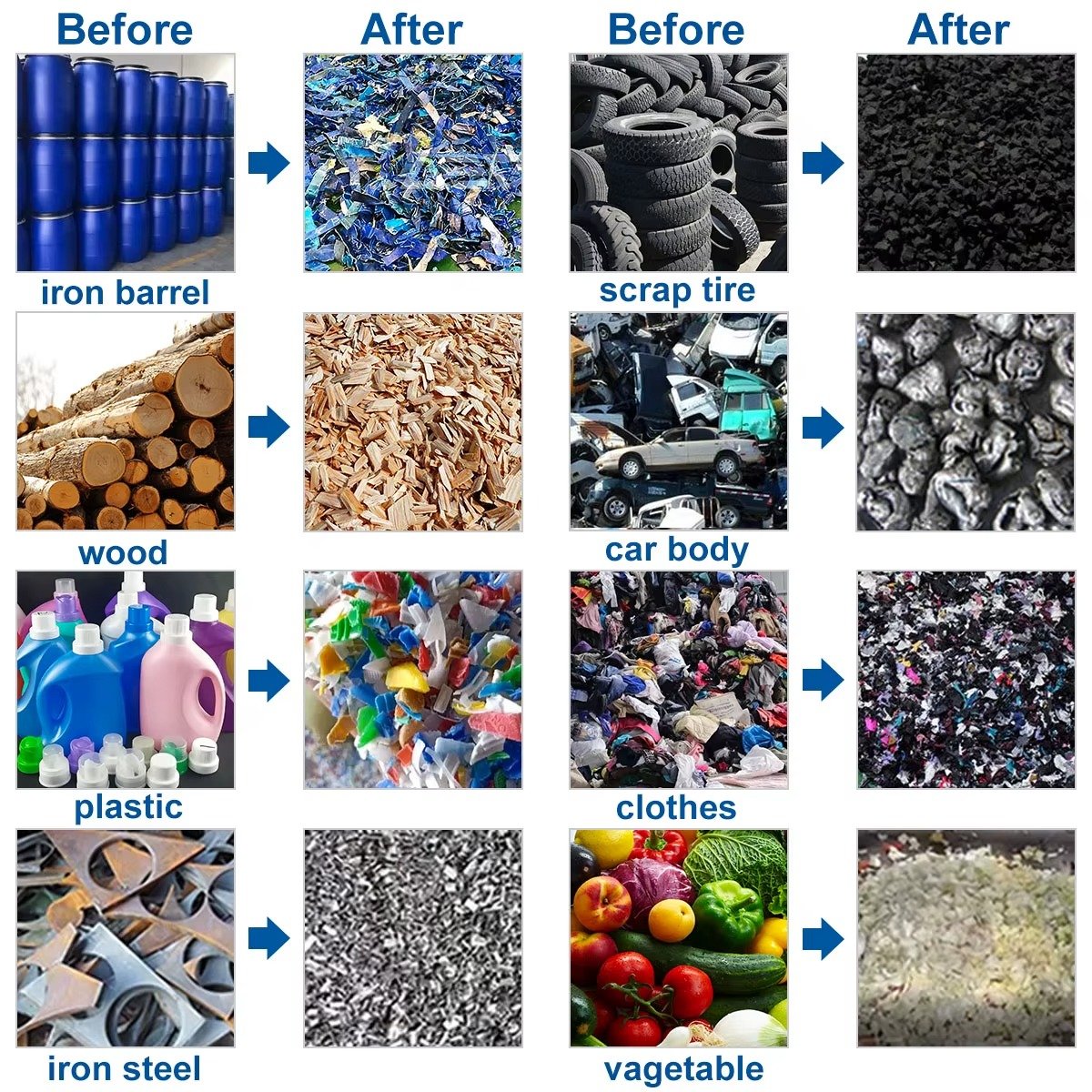
Large HDPE and PP containers dominate industrial waste streams. These items resist standard shredding due to wall thickness exceeding 8mm. Custom blade configurations with reinforced tooth structures handle these materials efficiently.
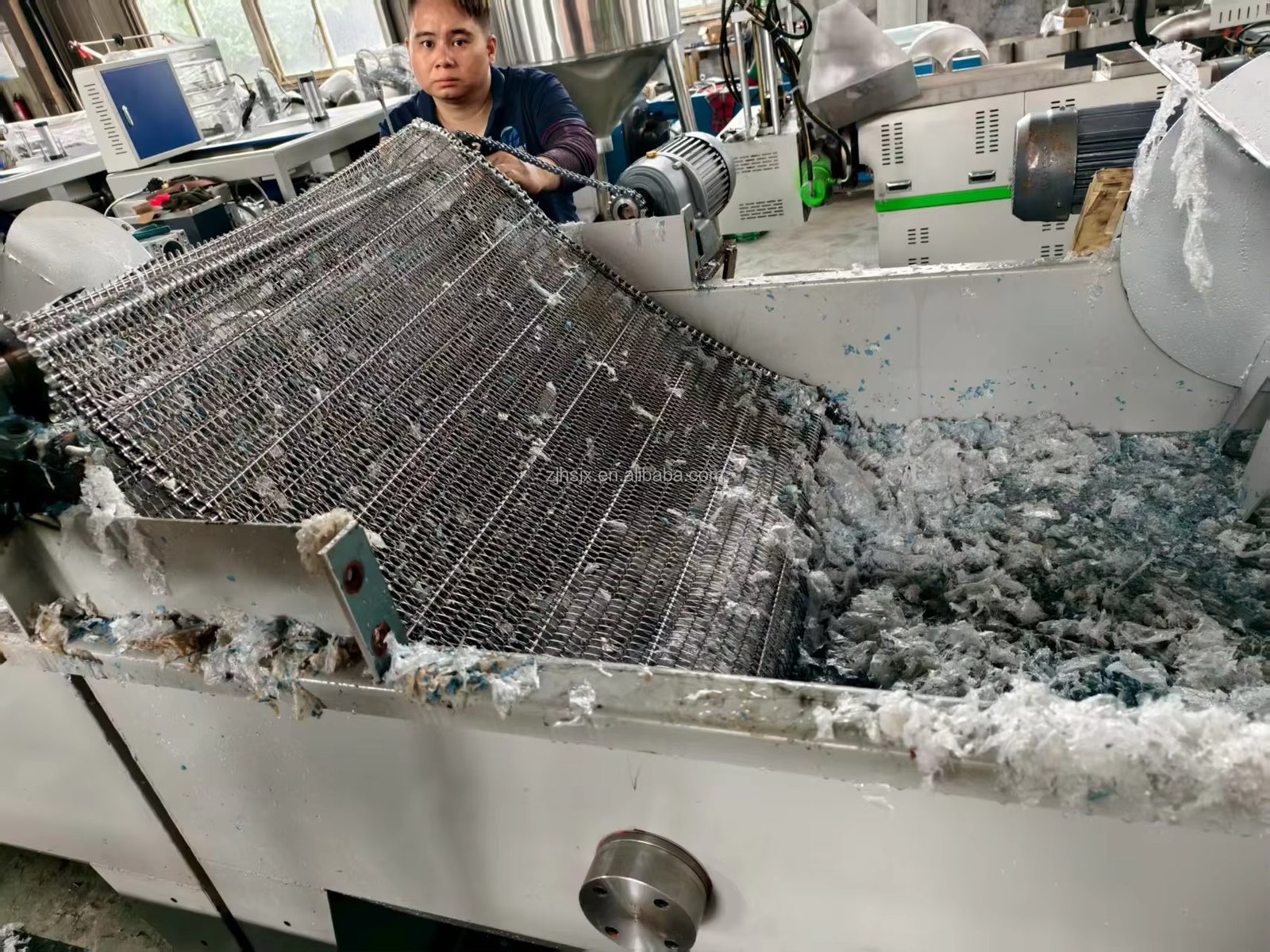
MAIKONG plastic bottle shredder systems incorporate vertical pushers that force containers against rotating blades. This prevents material bounce-back while maintaining consistent feed rates. Throughput increases by 40% compared to gravity-feed systems.
Composite Material Processing
Automotive bumpers and electronic housings combine plastics with metal inserts or glass reinforcement. Standard blades chip or crack when encountering these embedded elements. Specialized blade steel maintains edge integrity through repeated impacts.
Twin-shaft plastic shredder designs work best for composite materials. Counter-rotating blades create shearing action that separates components effectively. This configuration reduces power consumption while improving particle size consistency.
Maximizing Blade Performance in Difficult-to-Shred Plastics Applications
Custom blades require proper maintenance to deliver consistent results. Philippine operations lose production time when blade care procedures are inadequate. These practices extend blade life and maintain output quality.
Effective Maintenance Practices
- Daily visual inspection of blade edges
- Weekly bolt torque verification
- Monthly cutting edge measurement
- Immediate replacement of damaged teeth
- Proper blade indexing and rotation
- Regular lubrication of rotor bearings
Common Maintenance Mistakes
- Waiting for complete blade failure
- Ignoring unusual noise or vibration
- Processing contaminated materials
- Operating beyond rated capacity
- Using incorrect replacement parts
- Skipping recommended service intervals
Blade rotation extends useful life by 300%. Most custom blade designs allow multiple cutting positions before sharpening becomes necessary. MAIKONG plastic shredder parts include indexable blades that maximize this advantage.
Contamination Management
Metal contamination causes immediate blade damage. Magnetic separators and metal detectors protect expensive custom blades from premature failure. These systems pay for themselves within months through reduced blade replacement costs.
Moisture content affects processing difficulty. Wet plastics increase required cutting force and promote blade rust. Proper material storage before shredding prevents these complications while improving overall system reliability.
Integrating Custom Blades with Complete Shredding Systems
Blade configuration represents one component of effective plastic waste processing. Complete systems coordinate multiple elements to maximize throughput and minimize operational costs. MAIKONG designs integrated solutions for Philippine industrial requirements.
Essential System Components
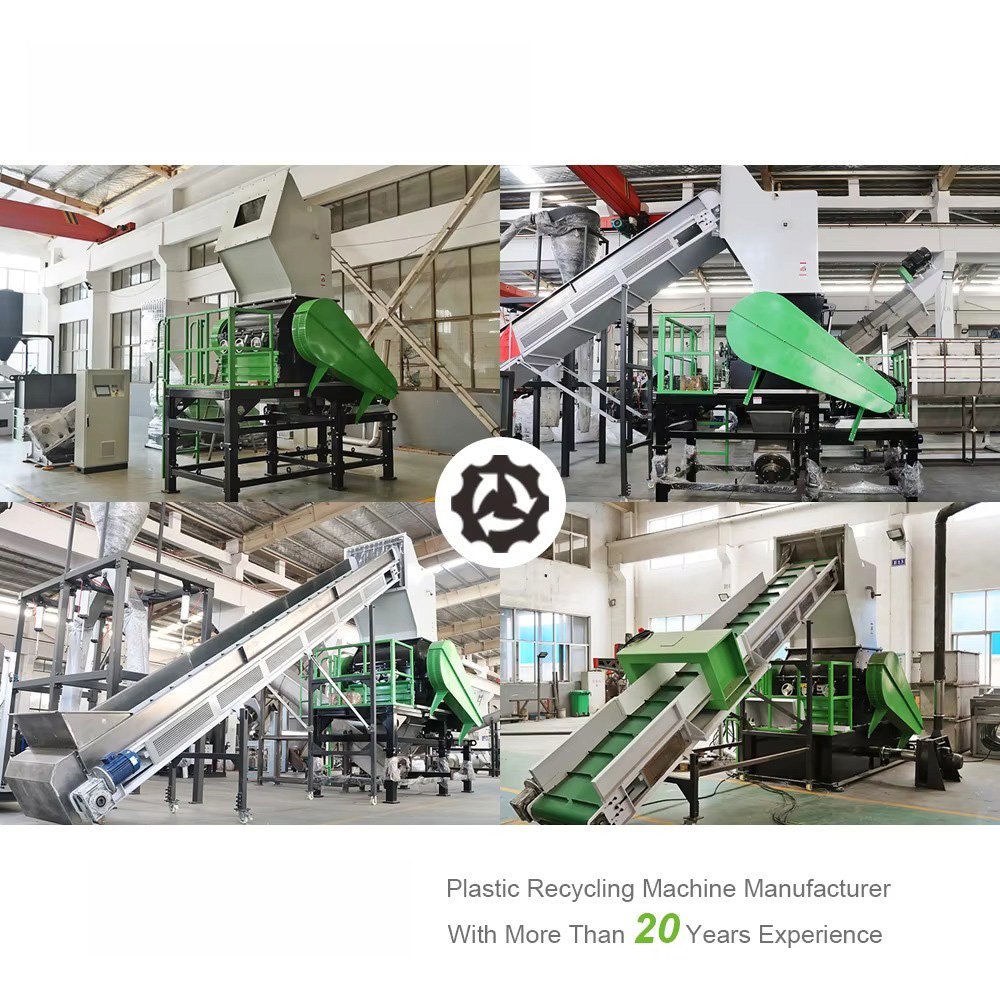
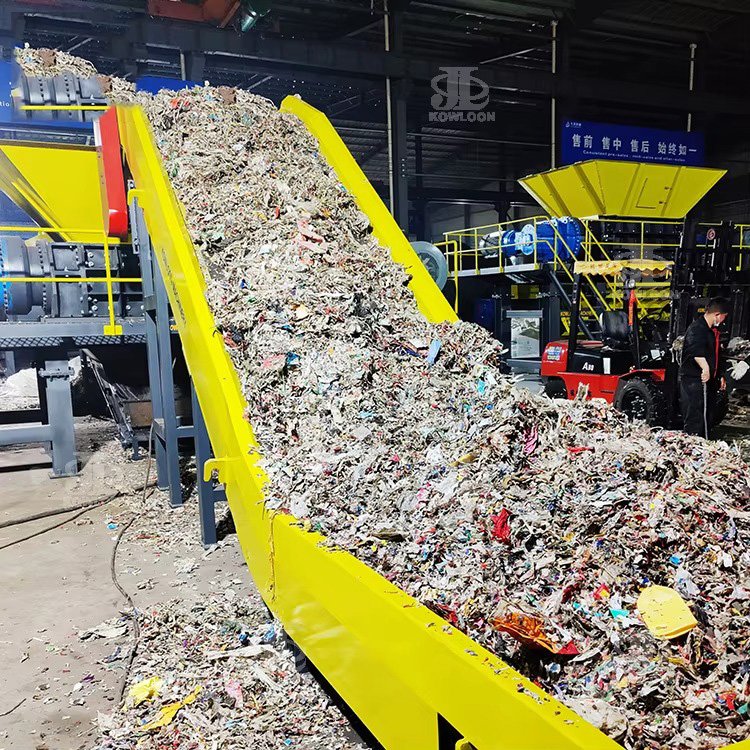
Feed conveyors regulate material flow into the shredding chamber. Controlled feeding prevents jamming and optimizes blade contact. Variable speed controls adjust feed rates based on material characteristics and real-time power consumption.
Output conveyors transport shredded material away from the cutting zone. Screw conveyors handle fine particles effectively while belt conveyors suit larger regrind sizes. Proper output handling prevents material accumulation that reduces efficiency.
Cyclone collection systems separate shredded particles from air streams. This approach works well when output size consistency matters for downstream processing. Blower capacity must match shredder throughput to prevent system bottlenecks.
Motor and Drive Selection
Custom blade configurations demand appropriate power systems. Hydraulic drives provide variable speed control with excellent overload protection. Electric motors from Siemens, ABB, or WEG deliver reliable performance when properly sized for blade configuration and material type.
Small Plastic Shredder Applications
Operations processing under 500kg hourly benefit from compact equipment. MAIKONG small plastic shredder models utilize 15-22kW motors with standard blade configurations. These systems handle mixed plastic waste efficiently.
- Retail packaging waste
- Post-consumer bottles
- Light industrial scrap
- Start-up recycling operations
Industrial Scale Processing
High-volume facilities require robust equipment with advanced blade systems. Industrial plastic shredder units feature 45-132kW drive systems and custom rotor configurations. These machines process difficult materials continuously.
- Manufacturing purge materials
- Large container processing
- Automotive plastic recycling
- Construction waste handling
Mini Plastic Shredder Solutions
Laboratory testing and small-batch processing use compact equipment. MAIKONG mini plastic shredder machine models provide blade customization at reduced scale. Research facilities and quality control departments utilize these systems.
- Material testing samples
- Product development work
- Quality control testing
- Educational demonstrations
Plastic Grinder Integration
Two-stage processing combines shredding with granulation. Initial shredding reduces size while secondary grinding achieves final particle dimensions. This approach handles difficult plastics more efficiently than single-stage systems.
- Precise particle sizing
- Higher throughput rates
- Better material consistency
- Reduced energy consumption
Explore Complete Shredding Solutions
MAIKONG offers integrated plastic shredder systems customized for Philippine industrial requirements. Our equipment combines custom blade configurations with optimized drive systems and material handling components.
Business Opportunities in Philippine Plastic Recycling
The Philippines generates over 2.7 million tons of plastic waste annually. Growing environmental regulations and increasing material costs drive demand for effective recycling solutions. This creates substantial business opportunities for equipment distributors and recycling operators.
Industrial manufacturers across GD and SZ regions seek reliable plastic waste management solutions. Local distributors who understand both technical requirements and customer service needs build successful equipment businesses. MAIKONG supports Philippine partners with comprehensive training and ongoing technical assistance.
Distributor Support Program
MAIKONG provides complete business development support for Philippine distributors. Our program includes product training, technical documentation, marketing materials, and direct factory pricing. Partners receive exclusive territory rights and priority equipment allocation.
Technical Training
- Equipment operation procedures
- Maintenance and troubleshooting
- Blade configuration selection
- Customer site assessment
- Installation supervision
Business Development
- Marketing material support
- Lead generation assistance
- Competitive pricing strategies
- Customer financing options
- After-sales service protocols
Target markets include plastic manufacturers, recycling facilities, waste management companies, and industrial processors. Each segment requires different equipment configurations and service approaches. Our distributor program provides market intelligence and customer development strategies specific to Philippine conditions.
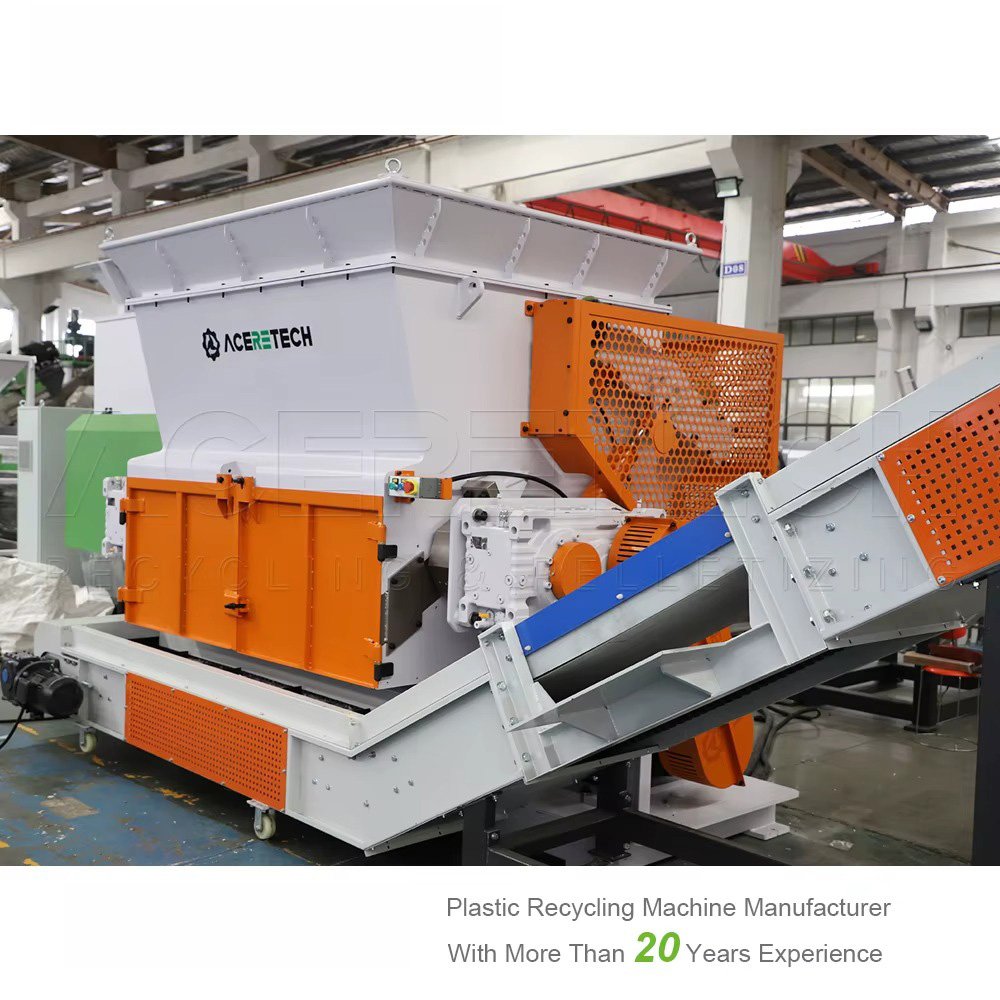
Become a MAIKONG Distributor in the Philippines
Join our growing network of successful equipment distributors. MAIKONG offers exclusive territory rights, comprehensive training, competitive pricing, and ongoing technical support. Build a profitable business serving Philippine industrial recycling needs.
MAIKONG Custom Blade System Specifications
Technical specifications determine equipment performance and application suitability. MAIKONG manufactures plastic shredder machines in multiple configurations to match diverse processing requirements. These models serve Philippine industrial operations from small workshops to large-scale recycling facilities.
| Model | Blade Diameter | Shaft Diameter | Motor Power | Dimensions (L×W×H) |
| MAIKONG-600 | 220mm | 110mm | 11-15kW × 2 | 2500×1100×1600mm |
| MAIKONG-800 | 300mm | 140mm | 18.5-22kW × 2 | 3000×1400×1800mm |
| MAIKONG-1000 | 400mm | 180mm | 45kW × 2 | 3900×1800×2200mm |
| MAIKONG-1400 | 500mm | 260mm | 55kW × 2 | 4700×2100×2400mm |
| MAIKONG-2000 | 650mm | 320mm | 132kW × 2 | 6500×2500×2800mm |
Customization Options
Every MAIKONG plastic crusher machine accepts multiple customization options. These modifications optimize equipment for specific materials and operating conditions common in Philippine facilities.
- Alternative blade configurations for specific plastic types
- Hydraulic or electric drive system options
- Increased or decreased rotor dimensions
- Specialized feed hopper designs
- Automated material handling integration
- Enhanced safety interlocks and guards
- Remote monitoring and diagnostics
- Noise reduction enclosures
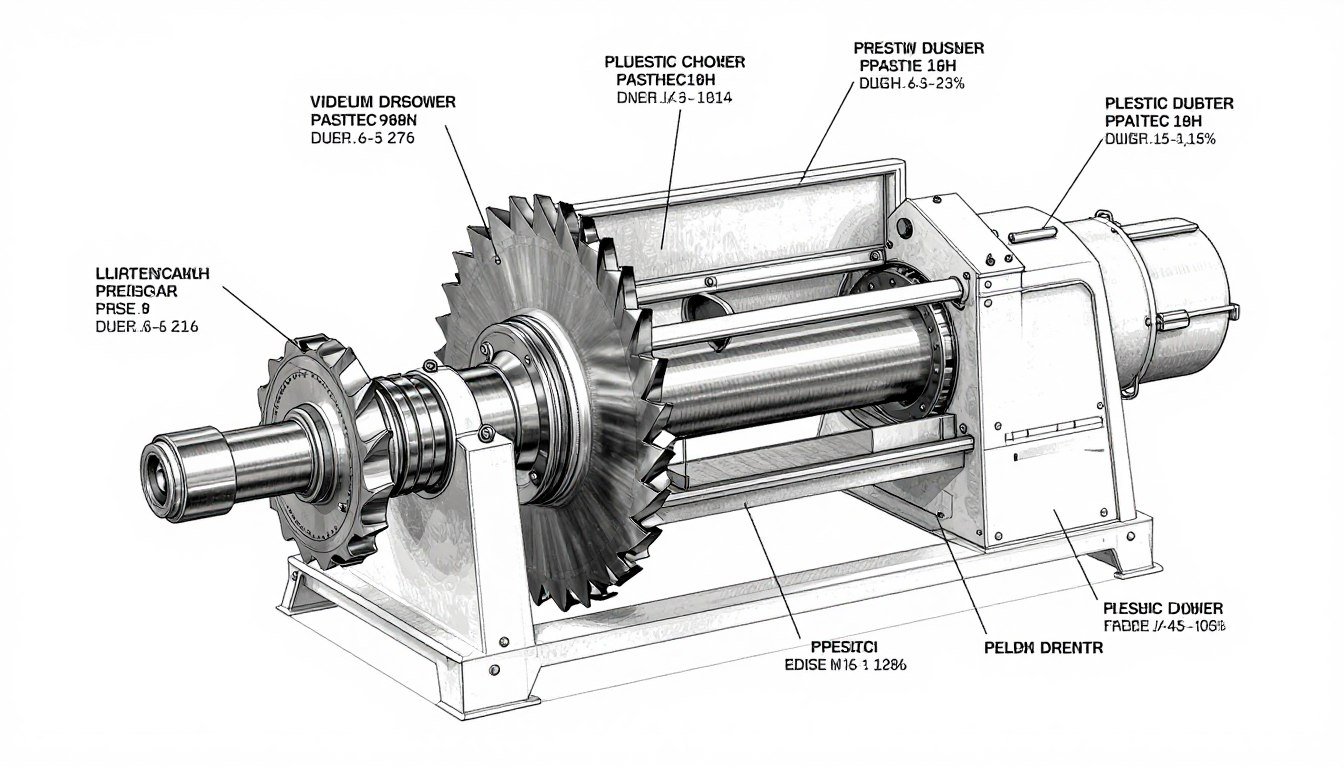
Installation and commissioning services ensure proper equipment setup. MAIKONG technical staff provide on-site training and system optimization. This support accelerates production startup while preventing common operational mistakes.
Implementing Effective Solutions for Difficult-to-Shred Plastics
Custom blade configurations transform challenging plastic waste into manageable recycling streams. Philippine operations benefit from engineered solutions that match blade design to specific material characteristics. MAIKONG equipment delivers reliable performance across diverse applications.
Successful plastic recycling requires proper equipment selection, regular maintenance, and ongoing technical support. Our comprehensive approach provides everything needed for profitable operations. From initial consultation through years of production, MAIKONG partners with Philippine businesses for long-term success.
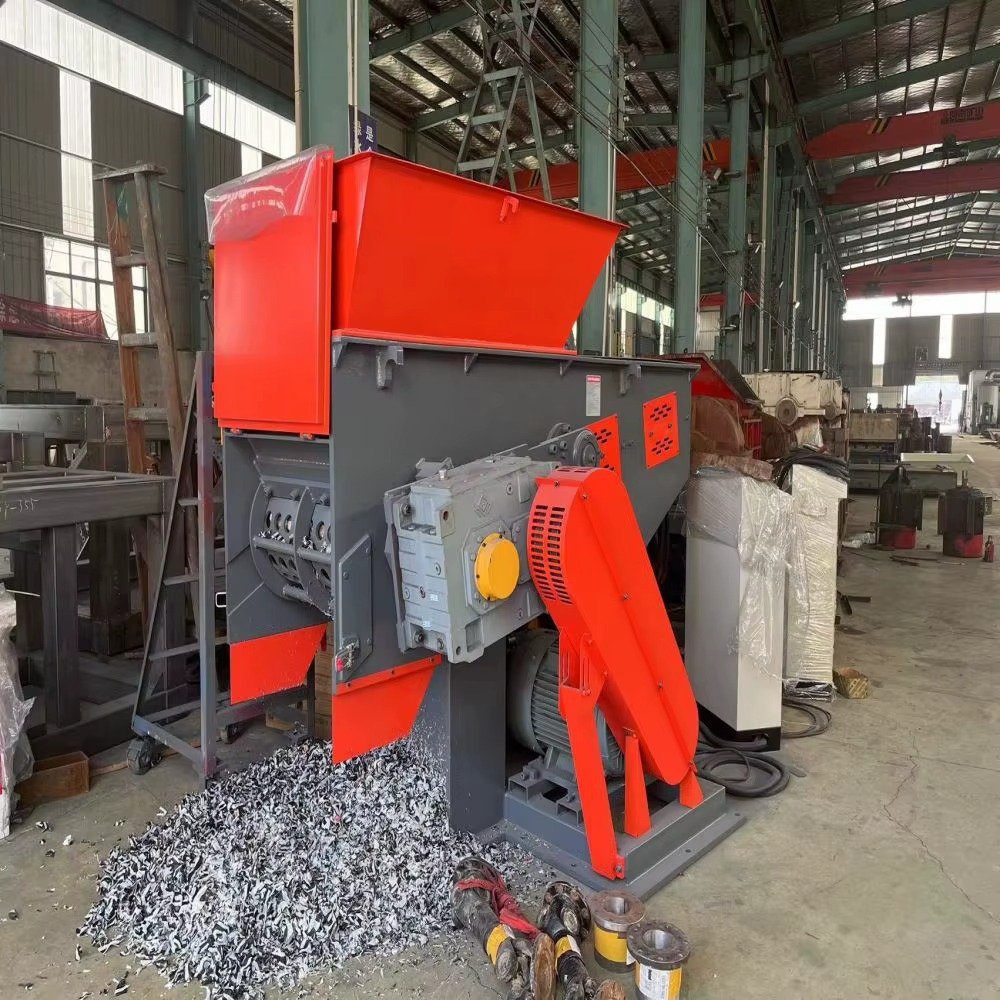
The growing demand for recycled plastic materials creates opportunities for well-equipped operations. Contact MAIKONG today to discuss your specific requirements and discover how custom blade configurations solve your most challenging shredding problems.
Start Your Plastic Recycling Success Story
MAIKONG provides complete solutions for difficult-to-shred plastics processing. Contact our team to discuss your specific requirements, request detailed quotations, or explore distributor opportunities in the Philippines.
Direct Contact:
Phone/WhatsApp: +86 135 1090 7401
Email: Lucy@plasticshredder.ph
Website: plasticshredder.ph