The Difference Between Plastic Shredders, Crushers, and Grinders
» post_parent) {?>Plastic Shredder » The Difference Between Plastic Shredders, Crushers, and Grinders
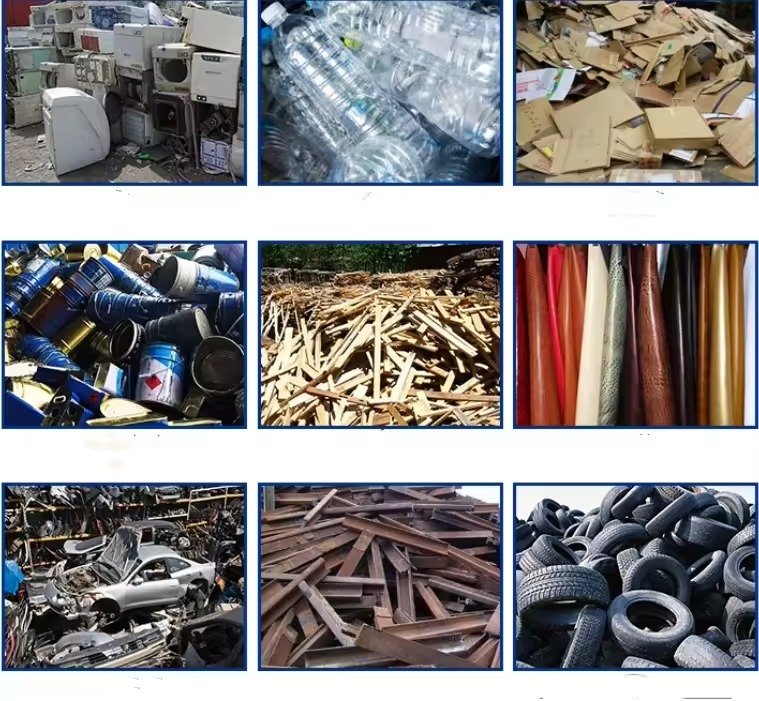
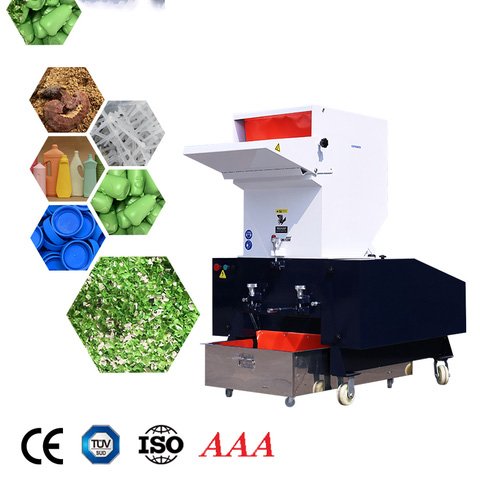
In the world of plastic recycling and waste management, choosing the right equipment is crucial for operational efficiency and cost-effectiveness. Plastic shredders, crushers, and grinders each serve specific functions in the plastic size reduction process, but understanding their differences is essential for making informed decisions. This comprehensive guide explores the distinct characteristics, applications, and benefits of each machine type, helping you determine which solution best fits your plastic processing needs in the Philippines.
Plastic Shredders, Crushers, and Grinders
Before diving into the specific differences, it’s important to understand that these three machine types represent different approaches to plastic size reduction. While they may seem similar at first glance, each has unique mechanisms, output capabilities, and ideal applications that make them suitable for different stages of the plastic recycling process.
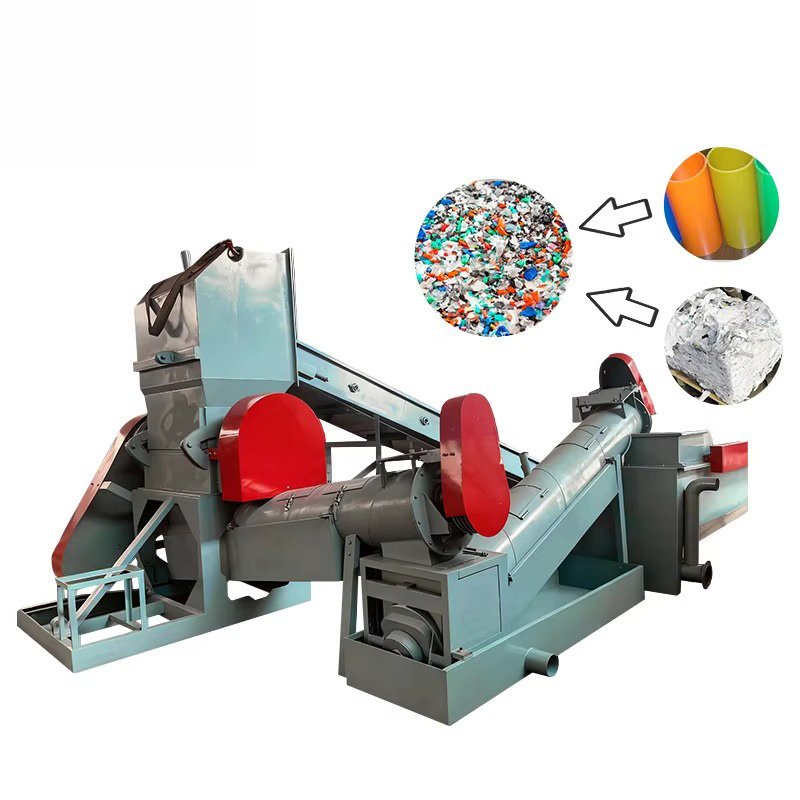
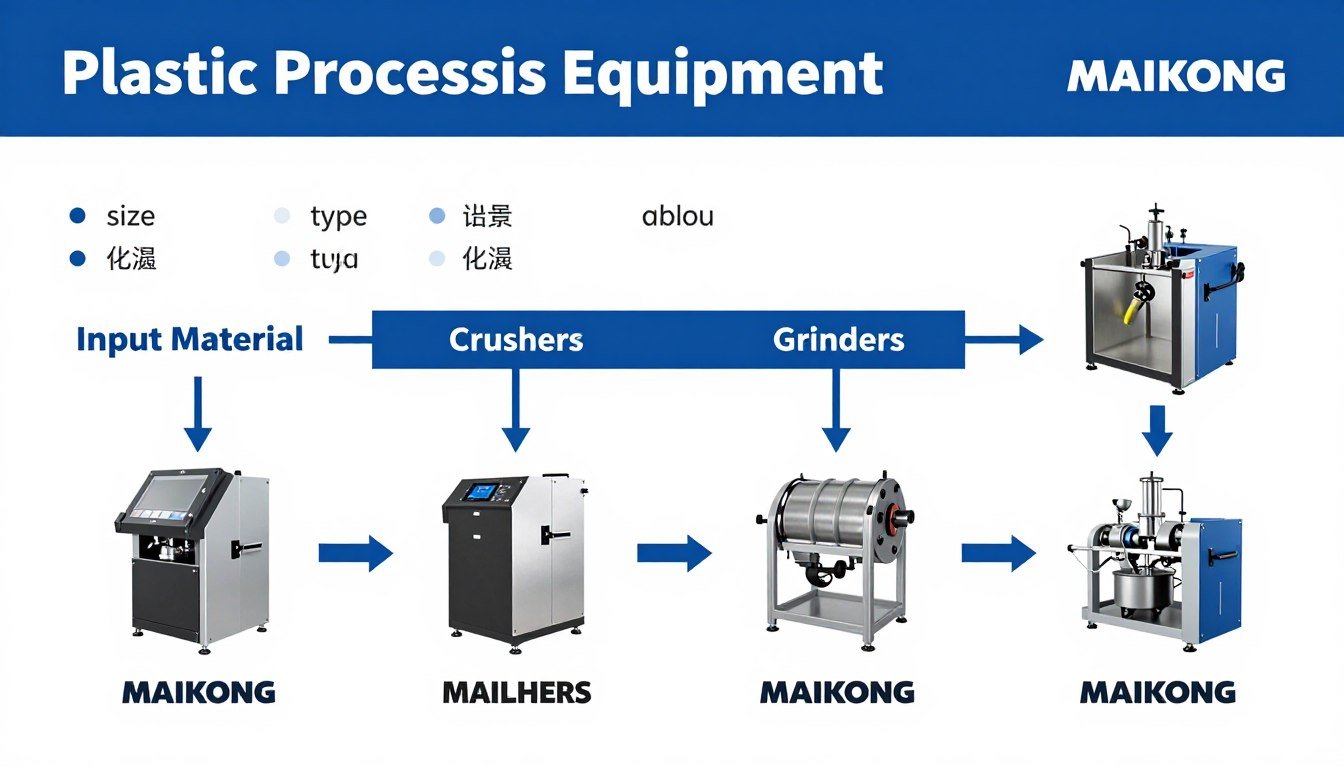
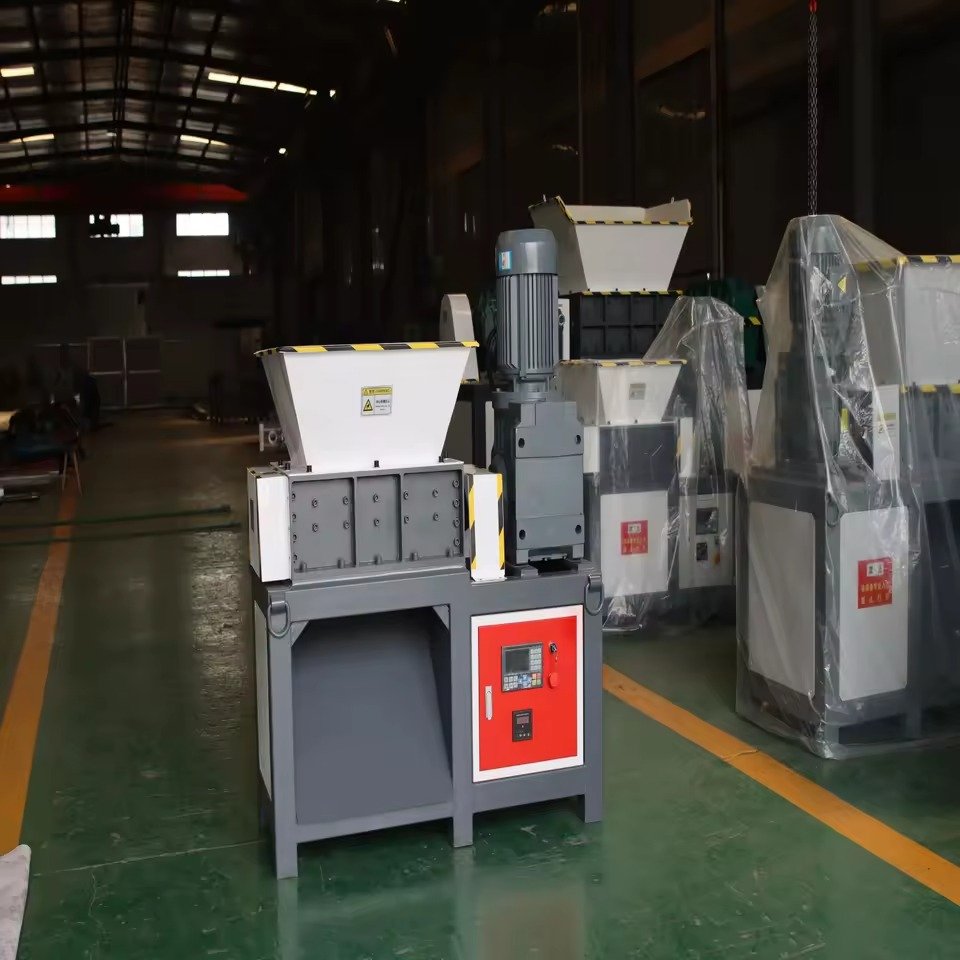
Different plastic size reduction machines manufactured by MAIKONG
Plastic Shredders
Plastic shredders are heavy-duty machines designed to reduce large plastic items into smaller, manageable pieces. They typically feature rotating blades or cutting disks mounted on one or more shafts that tear and cut materials. Plastic shredders are often the first step in the recycling process, handling bulky items that other machines cannot process.
Plastic Crushers
Plastic crushers use compression and impact forces to break down plastic materials. Unlike shredders that cut materials, crushers employ hammers or compression mechanisms to smash plastics into smaller pieces. They’re particularly effective for brittle plastics and can produce relatively uniform output sizes.
Plastic Grinders
Plastic grinders utilize abrasion and cutting to reduce plastic materials to fine particles or granules. They typically feature a grinding chamber with rotating blades that cut against stationary blades or screens. Grinders are often used as secondary processors after initial size reduction by shredders or crushers.
Deep Dive: Plastic Shredders
Plastic shredders are versatile workhorses in the recycling industry, capable of handling a wide range of plastic materials and sizes. Let’s explore their key characteristics, types, and applications.
Types of Plastic Shredders
MAIKONG dual-shaft industrial plastic shredder in operation
Single-Shaft Shredders
Single-shaft plastic shredders feature one rotating shaft with cutting blades that operate against stationary counter knives. They’re ideal for processing homogeneous materials and offer consistent output sizes. MAIKONG’s plastic shredder line includes versatile single-shaft models suitable for various applications.
Double-Shaft Shredders
Double-shaft plastic shredders utilize two counter-rotating shafts with interlocking cutters. This design creates a powerful shearing action that can process tougher materials and larger items. Our industrial plastic shredder range features robust double-shaft models for demanding applications.
Four-Shaft Shredders
Four-shaft plastic shredders represent the most powerful configuration, with two primary cutting shafts and two secondary shafts that further reduce material size. These machines excel at processing difficult materials and producing smaller, more uniform output.
Specialized Shredders
Some plastic shredders are designed for specific applications, such as our mini plastic shredder machine for smaller operations or our specialized bottle shredders for PET recycling.
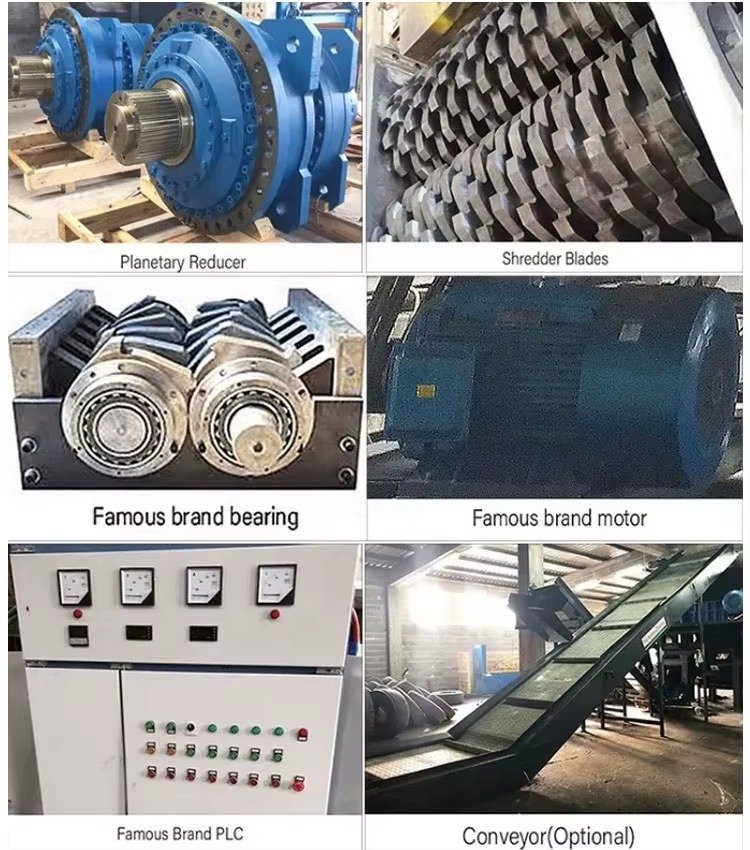
Key Features of Quality Plastic Shredders
Robust Cutting System: High-quality alloy steel blades and cutters that can withstand continuous operation
Adjustable Cutting Gap: Ability to modify the distance between cutting elements for different materials
Hydraulic Ram: Forced feeding mechanism to push materials into the cutting chamber
Screen System: Interchangeable screens to control output particle size
Overload Protection: Automatic reverse function when detecting uncrushable materials
Low Noise Operation: Insulated housing and precision engineering to reduce operational noise
Easy Maintenance Access: Hydraulic opening systems for quick blade changes and maintenance
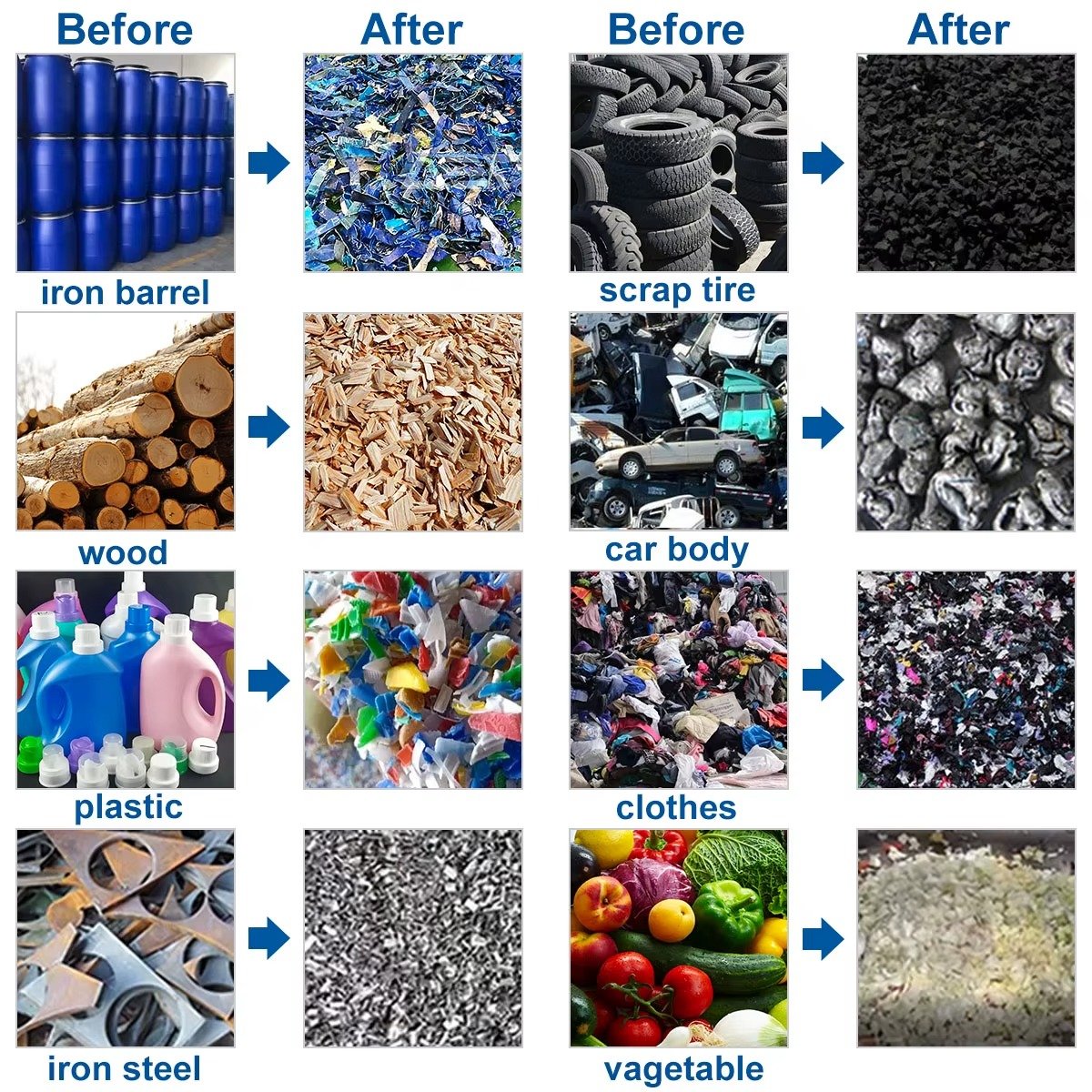
Ideal Applications for Plastic Shredders
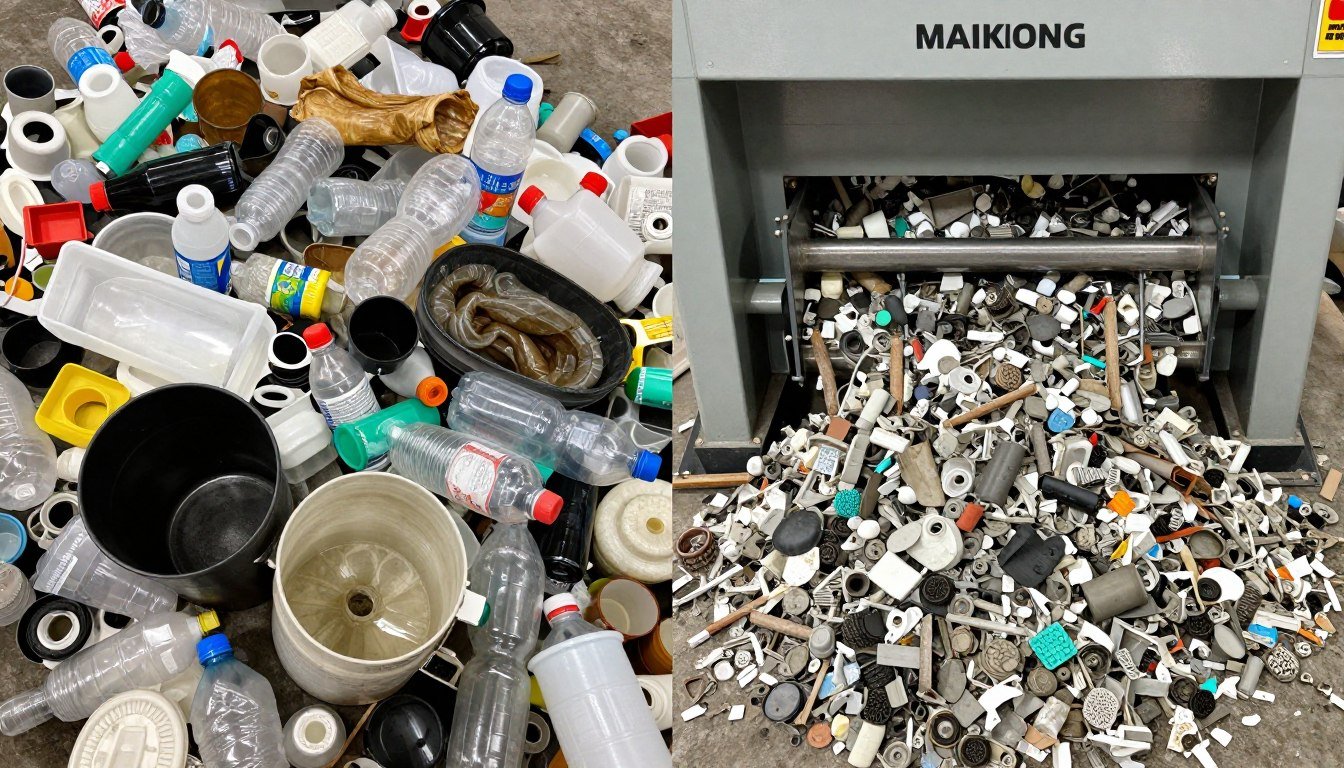
Before and after: Plastic waste processed through MAIKONG shredders
Plastic Type
Common Forms
Ideal Shredder Type
Output Size
HDPE (#2)
Bottles, containers, pipes, crates
Double-shaft
20-50mm
PET (#1)
Bottles, packaging
Single-shaft
15-30mm
PVC (#3)
Pipes, profiles, siding
Double or four-shaft
25-60mm
LDPE/LLDPE (#4)
Films, bags, flexible packaging
Specialized film shredder
25-40mm
PP (#5)
Containers, automotive parts, crates
Double-shaft
20-50mm
PS (#6)
Packaging, disposable items
Single-shaft
15-30mm
Plastic Crushers: Characteristics and Applications
Plastic crushers represent another approach to size reduction, utilizing compression and impact forces rather than cutting. Understanding their unique properties helps determine when they’re the optimal choice for your plastic processing needs.
Unlike plastic shredders that primarily cut materials, crushers employ hammers, impact plates, or compression mechanisms to break plastics through force. This approach is particularly effective for brittle materials that respond well to impact forces.
Hammer Crushers
Hammer crushers feature rotating hammers that strike plastic materials against impact plates or anvils. The high-speed impact fractures the plastic into smaller pieces, which then pass through a screen that controls output size.
Jaw Crushers
Jaw crushers use a moving jaw that compresses material against a fixed jaw. This compression action is effective for breaking down rigid plastics and can handle larger initial feed sizes than some other crusher types.
Impact Crushers
Impact crushers use high-speed rotors with attached hammers or bars to strike materials, breaking them through impact rather than compression. They’re known for producing more cubical output particles compared to other crusher types.
Roll Crushers
Roll crushers employ two counter-rotating cylinders to compress and crush materials passing between them. The gap between rollers determines output size, making these machines highly adjustable for different applications.
When to Choose a Crusher Over a Shredder
Advantages of Crushers
More energy-efficient for brittle materials
Often produce more uniform particle sizes
Lower maintenance costs due to fewer cutting edges
Better handling of abrasive materials that would quickly dull shredder blades
Typically operate at higher throughput rates for certain materials
Limitations of Crushers
Less effective for flexible or elastic materials
May struggle with very large items without pre-processing
Can generate more dust during operation
Often louder than equivalent shredders
Less precise control over output shape (though size can be controlled)
Ideal Applications for Plastic Crushers
Crushers excel in specific scenarios where their unique properties offer advantages over plastic shredders or grinders:
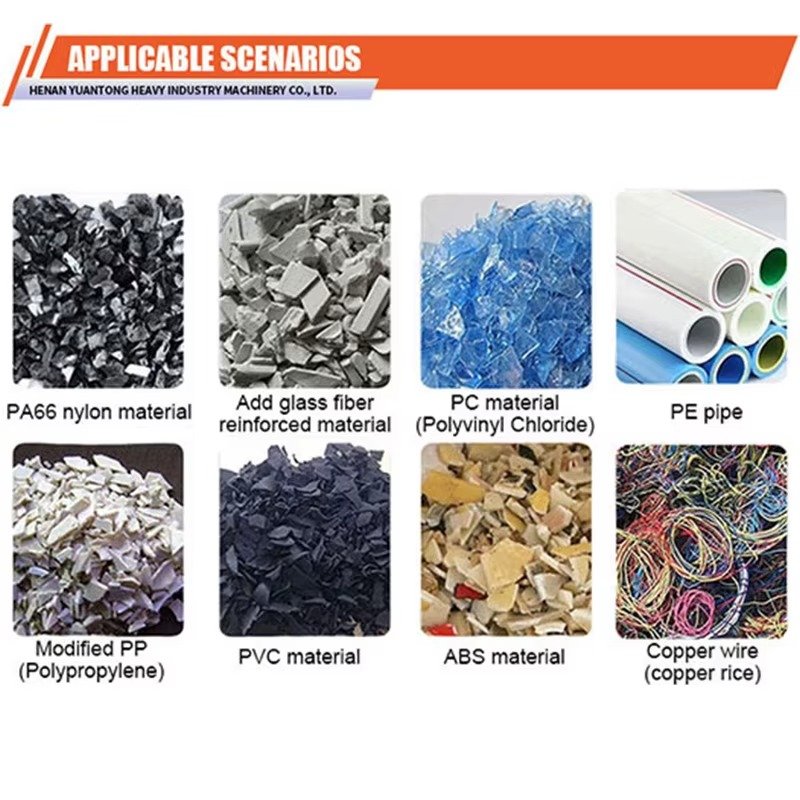
Rigid Plastic Processing: Particularly effective for hard, brittle plastics like PS, ABS, and some grades of PC
High-Volume Operations: When throughput is a priority for certain material types
Abrasive Materials: When processing plastics with fillers that would quickly wear down shredder blades
Energy Efficiency: When processing materials that break easily under impact, requiring less energy than cutting
Uniform Sizing: When consistent particle size is critical for downstream processes
Plastic Grinders: Fine Processing Solutions
Plastic grinders represent the final stage in size reduction, transforming shredded or crushed materials into fine particles or granules suitable for reprocessing. Their precision and output quality make them essential for closing the recycling loop.
MAIKONG plastic grinder with visible grinding mechanism
How Plastic Grinders Work
Grinders utilize a combination of cutting, shearing, and sometimes impact forces to reduce plastic materials to fine, uniform particles. They typically feature a grinding chamber with rotating blades that cut against stationary elements or screens.
Granulators
Granulators are the most common type of plastic grinder, featuring a rotor with multiple blades that cut against bed knives. Material is fed into the cutting chamber and reduced until it’s small enough to pass through a screen, ensuring uniform output size.
Pulverizers
Pulverizers use high-speed impact to reduce materials to very fine particles. They’re typically used for producing powder-like output for specialized applications rather than standard recycling granules.
Knife Mills
Knife mills employ sharp, precision-ground knives mounted on a rotor that cuts against stationary knives. They excel at producing clean cuts with minimal dust and heat generation, making them ideal for temperature-sensitive plastics.
Disc Mills
Disc mills use abrasion between rotating and stationary discs to grind materials. They’re less common in plastic recycling but can be useful for certain specialized applications requiring very fine output.
When to Choose a Grinder
Comparison of output sizes: shredded (left), crushed (center), and ground (right) plastic
Advantages of Grinders
Produce fine, uniform particles ideal for direct reprocessing
Precise control over output size through screen selection
Often include built-in classification systems for consistent quality
Can process pre-reduced materials from shredders or crushers
Produce higher-value output material that commands better market prices
Limitations of Grinders
Typically cannot handle large initial feed sizes
Higher energy consumption per unit of material processed
More sensitive to contamination and non-plastic materials
Higher wear rates on cutting components
Often require pre-processing with shredders for larger items
Ideal Applications for Plastic Grinders
Grinders are typically the final stage in plastic size reduction, preparing materials for direct reuse in manufacturing:
In-House Recycling: Manufacturing operations recycling their own scrap
High-Value Plastics: When processing engineering or specialty plastics where quality is paramount
Direct Reprocessing: When output will be directly fed into extruders or injection molding machines
Clean Stream Processing: When working with pre-sorted, contaminant-free materials
Small-Scale Operations: Our small plastic shredder and grinder combinations are ideal for businesses with limited space or processing needs
Choosing the Right Equipment for Your Needs
Selecting between plastic shredders, crushers, and grinders—or determining if you need a combination of these machines—depends on several key factors. This decision-making framework will help guide your selection process.
Decision framework for selecting the appropriate plastic processing equipment
Key Factors to Consider
Input Material Characteristics
Size: Large items require shredders first
Rigidity: Flexible materials favor shredders; brittle materials may suit crushers
Contamination: Heavily contaminated materials need robust shredders
Variety: Mixed materials may require multiple processing stages
Output Requirements
Size: Finer outputs require grinders
Uniformity: Consistent sizing may require multiple stages
Volume: Higher throughput needs may influence machine selection
End Use: Direct reprocessing requires higher quality output
Operational Considerations
Space: Available facility space may limit options
Budget: Initial investment vs. operational costs
Energy: Power availability and efficiency concerns
High-quality output, efficient processing of various sizes
Crusher → Grinder
Impact followed by precision cutting
Rigid, brittle plastics requiring fine output
Energy efficiency for suitable materials, uniform output
Shredder → Crusher → Grinder
Complete three-stage processing
Large, mixed materials requiring premium output
Maximum versatility, highest quality output, optimal efficiency
Expert Tip: Many operations benefit from starting with a quality plastic shredder and adding additional processing equipment as needs evolve and budget allows. MAIKONG’s modular systems are designed to integrate seamlessly as your operation grows.
MAIKONG Solutions for Philippine Businesses
At MAIKONG, we understand the unique challenges facing plastic recycling operations in the Philippines. Our comprehensive range of plastic shredders, crushers, and grinders is designed to meet the specific needs of the Philippine market.
MAIKONG’s state-of-the-art manufacturing facility in SZ, GD
Technical Support – Expert assistance for installation and operation
Maintenance Programs – Preventive maintenance to maximize uptime
Operator Training – Comprehensive training for your team
Why Choose MAIKONG for Your Plastic Processing Needs
4.8
Customer Satisfaction
Equipment Durability
4.8/5
Processing Efficiency
4.7/5
After-Sales Support
4.9/5
Value for Money
4.6/5
“After comparing several manufacturers, we chose MAIKONG for our plastic recycling operation in Manila. Their industrial plastic shredder has exceeded our expectations in terms of throughput and reliability. The local support team has been responsive and helpful whenever we’ve needed assistance.”
— Roberto Santos, Operations Manager at Manila Recycling Solutions
Expert Consultation for Your Plastic Processing Needs
Not sure which solution is right for your operation? MAIKONG’s team of experts is ready to analyze your specific requirements and recommend the optimal equipment configuration. Contact us today for a personalized consultation.
Conclusion: Making the Right Choice for Your Plastic Recycling Needs
Understanding the differences between plastic shredders, crushers, and grinders is essential for making informed decisions about your plastic waste management and recycling operations. Each machine type offers distinct advantages and is suited to specific applications within the plastic recycling process.
For most operations, particularly those handling a variety of plastic waste types and sizes, a plastic shredder often serves as the foundation of an effective processing system. Crushers excel with brittle materials and high-volume operations, while grinders deliver the fine, uniform output needed for direct reprocessing.
At MAIKONG, we’re committed to helping businesses throughout the Philippines optimize their plastic recycling operations with high-quality, reliable equipment tailored to their specific needs. Whether you’re just starting your recycling journey or looking to upgrade existing systems, our team of experts is ready to provide the guidance and solutions you need.
Contact us today to discuss your plastic processing requirements and discover how MAIKONG’s plastic shredders, crushers, and grinders can help you achieve your recycling goals efficiently and cost-effectively.
Ready to Optimize Your Plastic Recycling Operation?
Explore our complete range of solutions or contact our team for personalized assistance.