
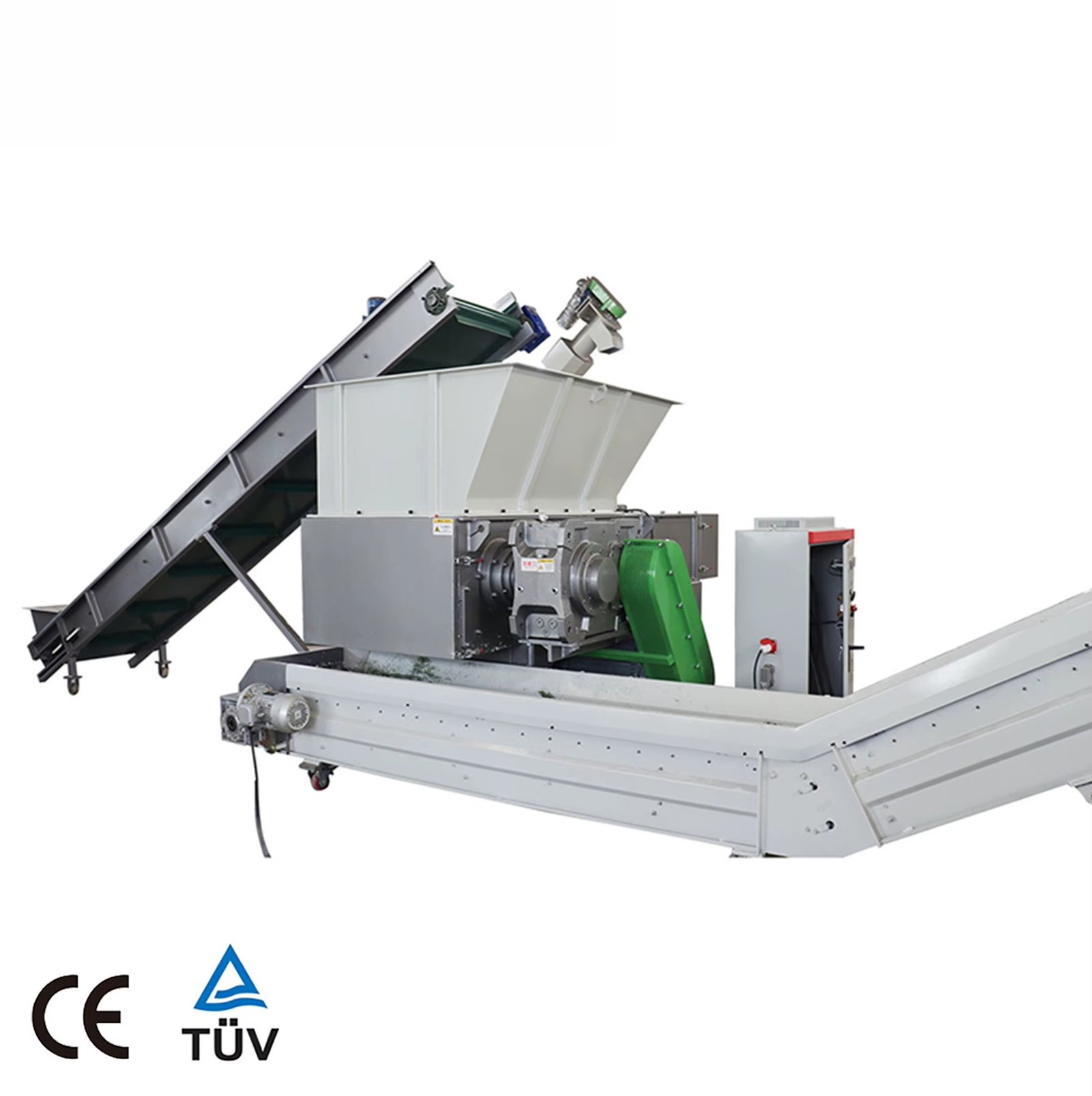
 Manufacturing operations across the Philippines generate substantial volumes of rubber and silicone waste. These materials require specialized equipment capable of handling their density and resilience. The right shredding technology transforms waste into valuable recycled resources.
MAIKONG delivers industrial-grade shredding solutions designed specifically for challenging materials like rubber tires and silicone products. Our equipment operates reliably in demanding production environments while maintaining consistent output quality.
Expert Guidance for Your Material Processing Needs
Connect with MAIKONG’s technical team to discuss your specific rubber tire and silicone processing requirements. We’ll help you select the optimal equipment configuration.
Understanding Plastic Shredders for Rubber and Silicone Processing
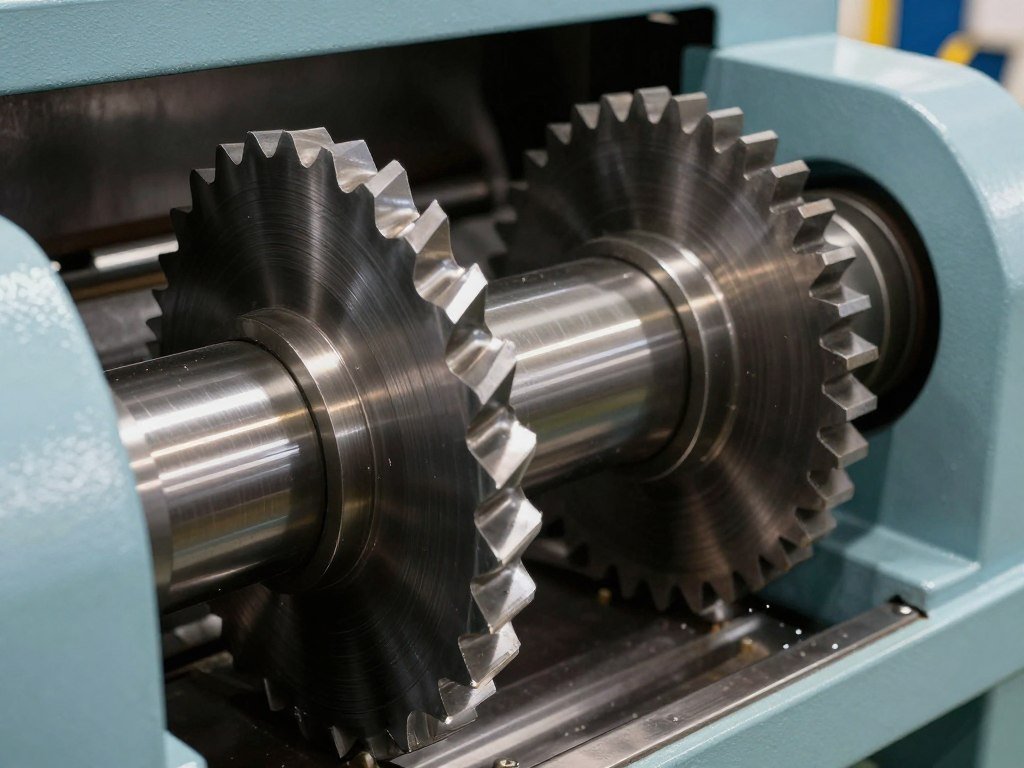
Plastic shredders use rotating shaft systems equipped with hardened steel blades to tear materials into smaller pieces. The shredding process differs fundamentally from grinding or crushing. Blades grab and rip materials rather than compressing them.
This mechanical action proves particularly effective for rubber tires and silicone products. These elastic materials resist compression but yield readily to tearing forces. The shredding approach achieves superior size reduction compared to alternative methods.
Single Shaft vs. Twin Shaft Plastic Shredder Systems
Two primary configurations dominate industrial shredding operations. Each design offers distinct advantages for different processing requirements and material characteristics.
Single Shaft Plastic Shredder
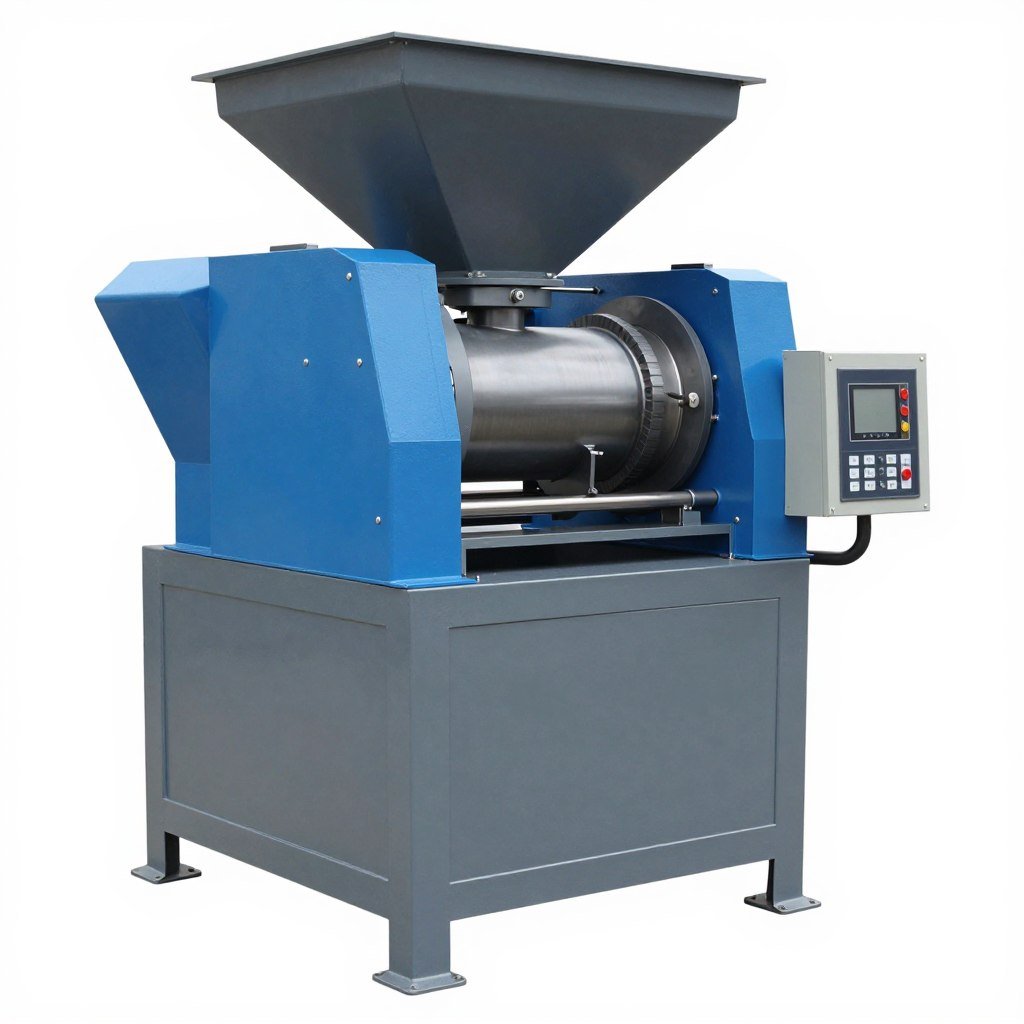
A single shaft plastic shredder features one rotor working against a stationary bed knife. This configuration excels at producing uniform particle sizes. The hydraulic pusher system forces materials against the cutting chamber.
These units handle high-volume operations efficiently. They work particularly well for pre-sized materials and consistent feed rates. Output particle size remains controllable through screen selection.
Twin Shaft Design
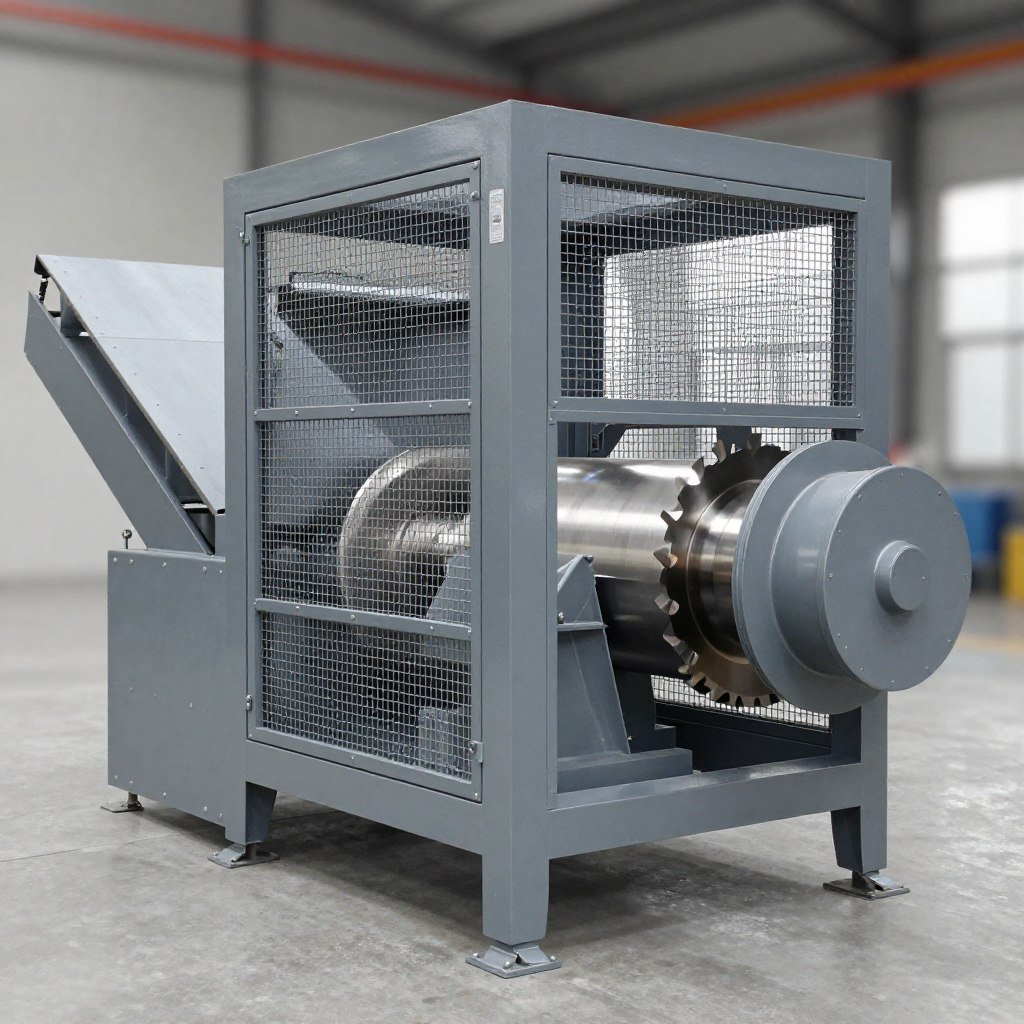
Twin shaft systems employ two counter-rotating shafts that work together. The intermeshing blade pattern provides aggressive material engagement. This design handles bulky items and contaminated feeds effectively.
Low-speed, high-torque operation characterizes these machines. They process tough materials without jamming. The twin shaft approach suits initial size reduction of whole tires and large silicone components.
Processing Rubber Tires with Plastic Shredders
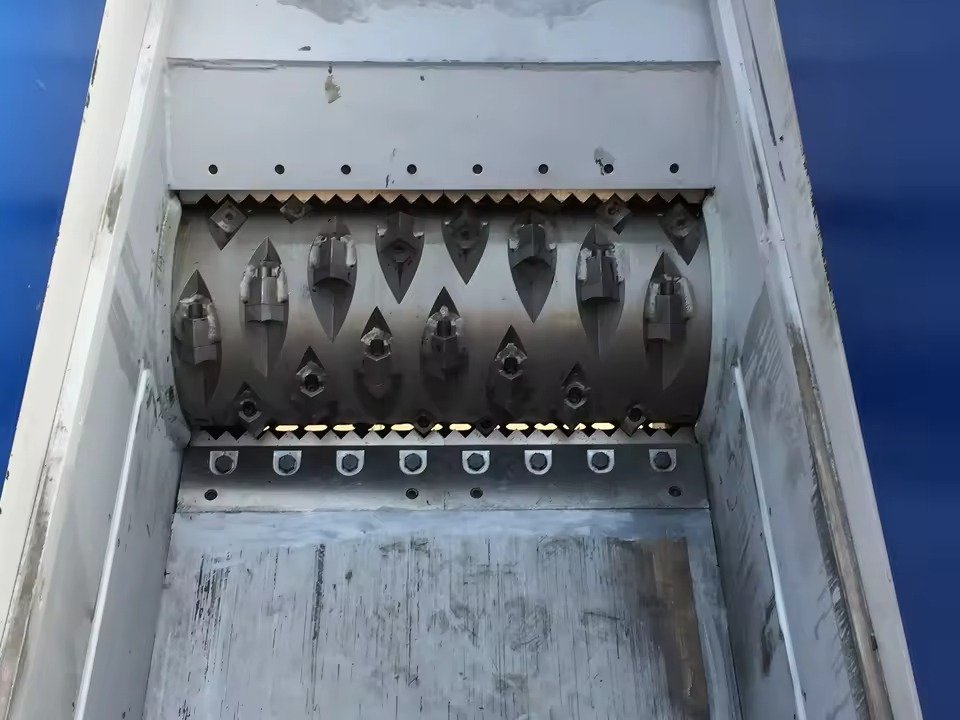
Rubber tire recycling presents substantial economic opportunities. Global tire production generates millions of tons of end-of-life tires annually. Plastic shredders form the foundation of modern tire recycling operations.
The process begins with whole tire inspection and preparation. Steel-belted radial tires contain wire reinforcement that must be separated. Multi-stage shredding systems handle this challenge effectively.
Tire Shredding Process Stages
Industrial facilities typically employ a three-stage approach for complete tire processing. Each stage reduces material size progressively while separating contaminants.
- Primary shredding reduces whole tires to 200-300mm chips using twin shaft equipment
- Secondary processing cuts chips to 50-75mm pieces suitable for wire separation
- Final sizing produces uniform granules of 10-20mm for end applications
- Magnetic separation removes steel wire at each stage of size reduction
- Air classification systems separate textile fibers from rubber particles
Material Output and Applications
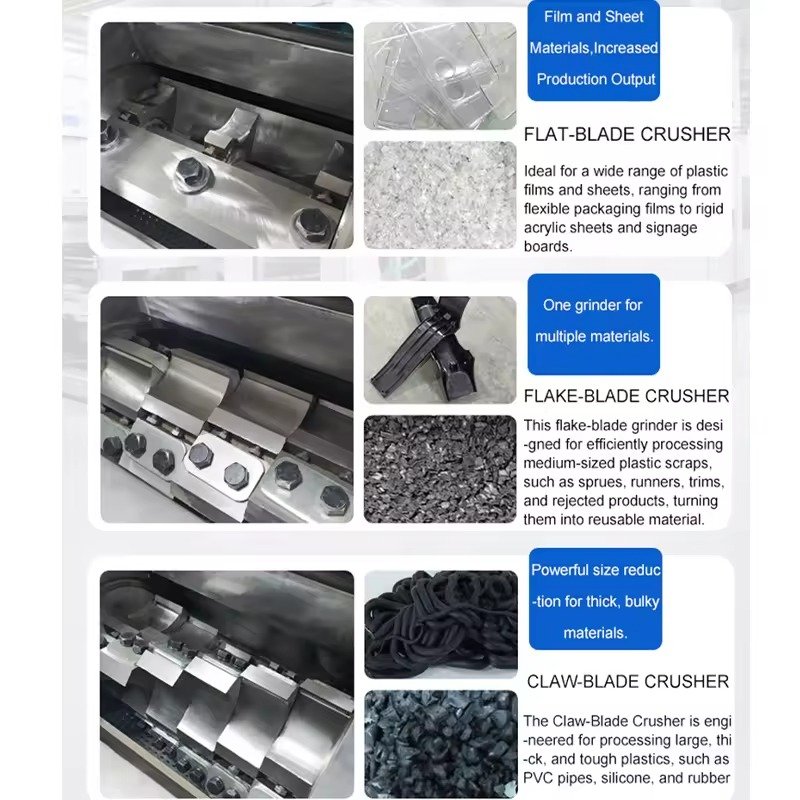
Shredded tire materials serve numerous industrial applications. Rubber granules function as playground surfaces and athletic track components. Larger chips provide drainage aggregates and erosion control.
The Philippines market shows growing demand for recycled tire products. Construction projects use rubber-modified asphalt. Manufacturing facilities incorporate recycled rubber into new products. This creates consistent demand for properly processed materials.
Construction Applications
Shredded rubber enhances concrete and asphalt performance. Materials provide vibration dampening and crack resistance.
- Rubberized asphalt for road surfacing
- Drainage layers beneath foundations
- Vibration isolation pads
- Lightweight fill material
Manufacturing Uses
Processed tire rubber serves as raw material for new product manufacturing across multiple industries.
- Molded rubber products and components
- Athletic surfaces and flooring
- Automotive parts production
- Industrial matting systems
Agricultural Applications
Farming operations utilize processed rubber for various practical applications requiring durability.
- Livestock stall flooring surfaces
- Equipment vibration dampening
- Erosion control solutions
- Protective ground covering
Energy Recovery
Tire-derived fuel represents a significant energy resource with established industrial demand.
- Cement kiln supplemental fuel
- Industrial boiler applications
- Power generation facilities
- Pyrolysis oil production
Silicone Material Processing with Industrial Shredders
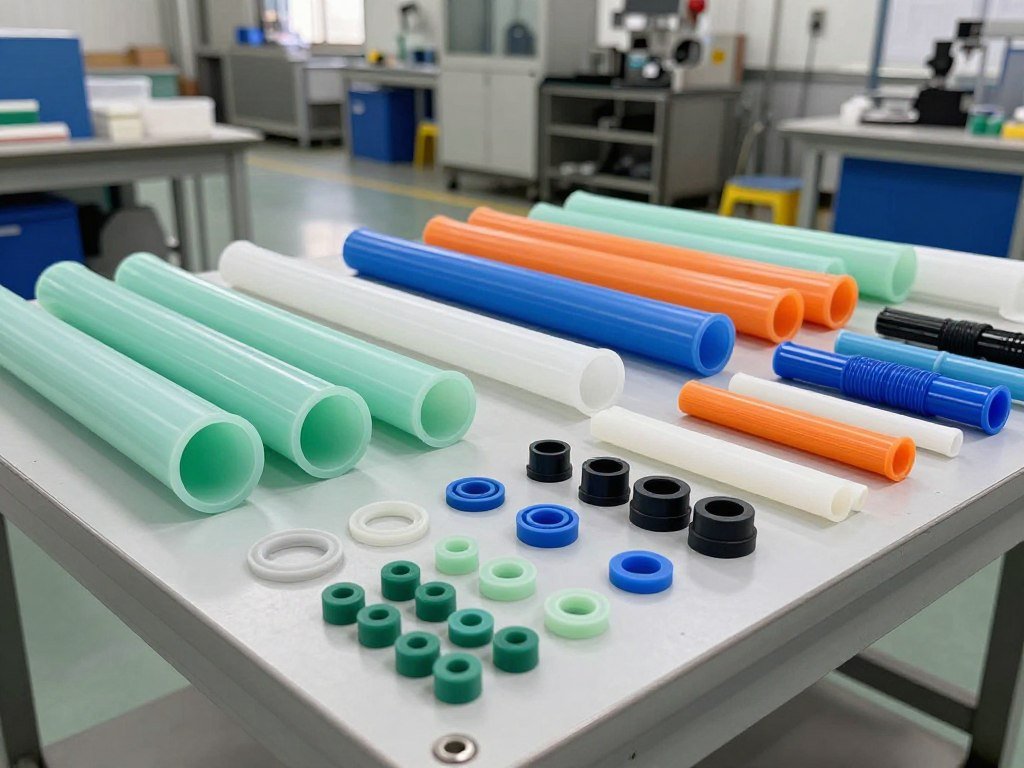
Silicone manufacturing generates substantial production waste. Trimming, flash removal, and rejected parts create recycling opportunities. Plastic shredders enable recovery of these valuable materials for reprocessing.
Silicone exhibits unique material properties that challenge conventional size reduction equipment. The material’s elasticity and heat resistance require specific processing approaches. Proper equipment selection ensures efficient operations.
Silicone Processing Considerations
Temperature management proves critical during silicone shredding. Friction generates heat that can affect material properties. Equipment design must address this challenge through appropriate engineering solutions.
- Low-speed operation minimizes heat generation during processing cycles
- Adequate blade clearances prevent material binding and excessive friction
- Cooling systems maintain optimal processing temperatures throughout operation
- Screen selection determines final particle size distribution patterns
- Material feed rate affects throughput capacity and output quality
Types of Silicone Materials for Shredding
Industrial operations process numerous silicone product categories. Each material type presents specific handling requirements and recycling potential.
Solid Silicone Products
- Medical-grade silicone components
- Industrial gaskets and seals
- Molded silicone parts
- Kitchenware manufacturing scrap
- Automotive silicone components
Flexible Silicone Items
- Silicone tubing and hoses
- Flexible manufacturing waste
- Silicone sheeting materials
- Extrusion production scrap
- Film and coating materials
Composite Materials
- Fabric-reinforced silicone
- Wire-embedded products
- Multi-layer silicone assemblies
- Adhesive-backed materials
- Filled silicone compounds
Selecting the Right Plastic Shredder Machine
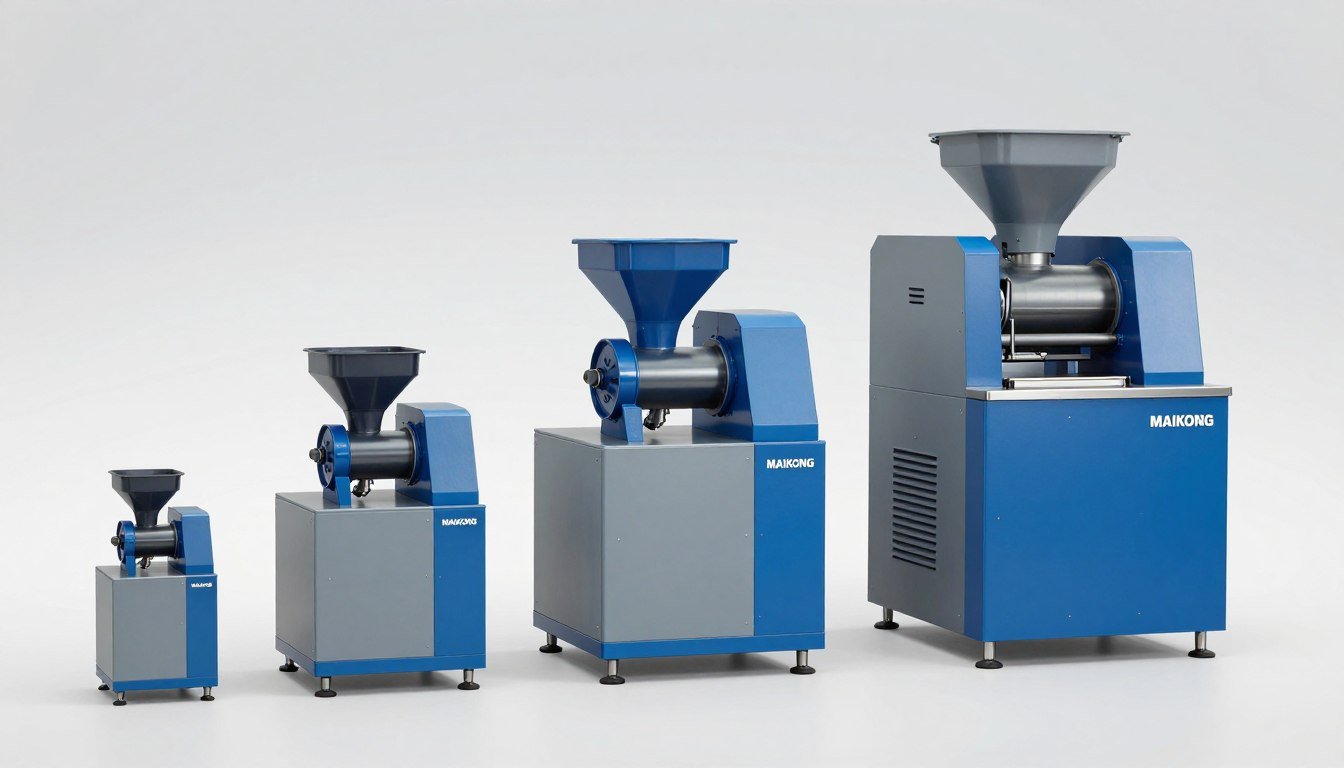
Equipment selection depends on multiple operational factors. Processing volume, material characteristics, and output requirements all influence the decision. A plastic shredder machine must match your specific application needs.
Capacity Planning for Plastic Waste Operations
Accurate capacity assessment prevents equipment undersizing or oversizing. Both scenarios create operational inefficiencies and increased costs. Proper planning ensures optimal investment returns.
Consider your current processing volumes and anticipated growth. Material density affects actual throughput despite rated capacities. Rubber tires and silicone products require different processing times than other plastic materials.
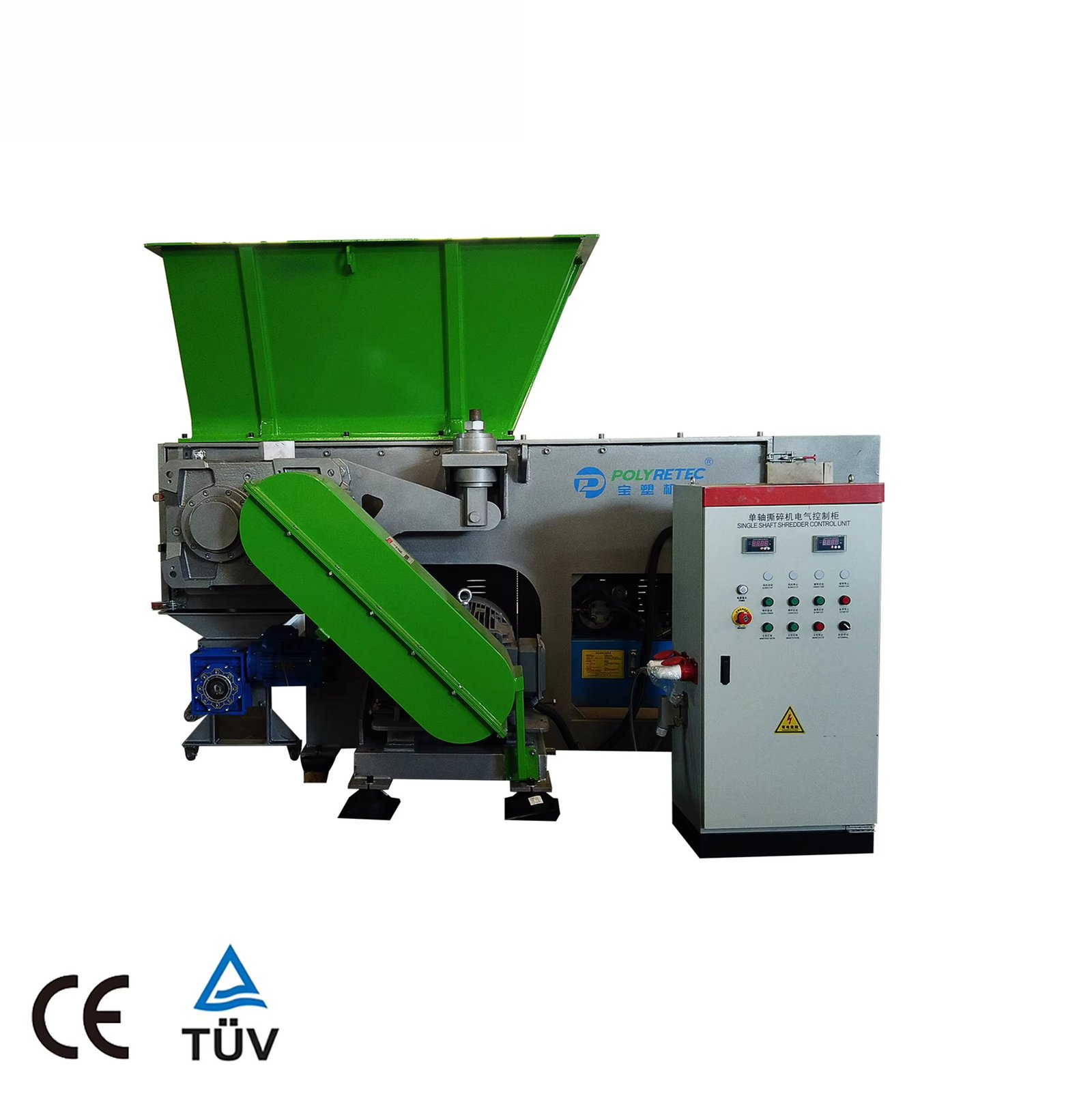
Small-Scale Operations
A mini plastic shredder machine serves laboratories, workshops, and pilot facilities effectively. These units process 50-150 kg per hour.
Compact footprints suit limited floor space. Single-phase electrical requirements simplify installation. Manual feed systems keep costs manageable for smaller volumes.
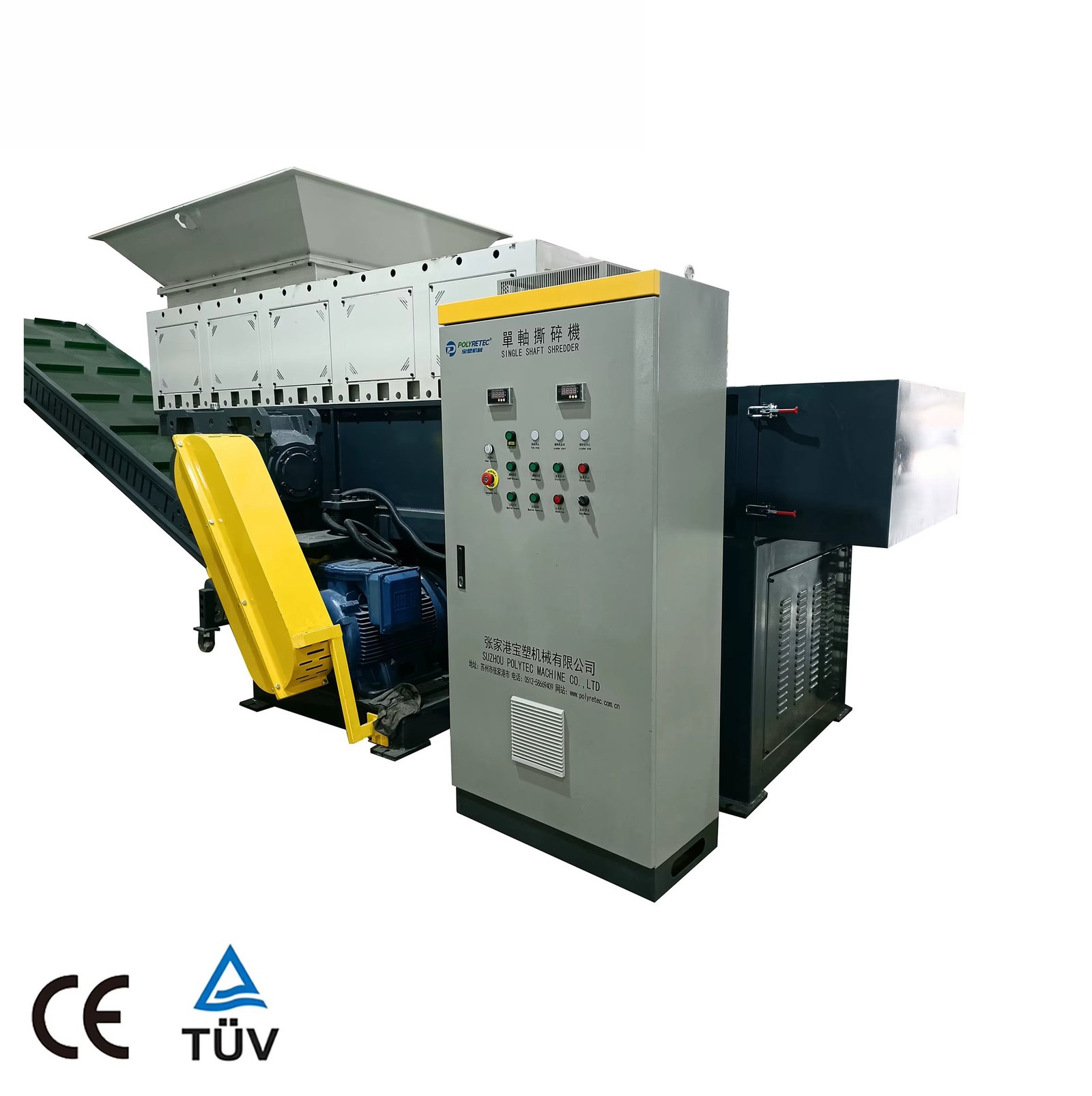
Medium Production Facilities
A small plastic shredder handles 200-500 kg hourly throughput. These machines bridge the gap between bench-top and full industrial units.
Three-phase motors provide reliable power. Automated feed systems improve efficiency. These systems suit growing operations and moderate material volumes.
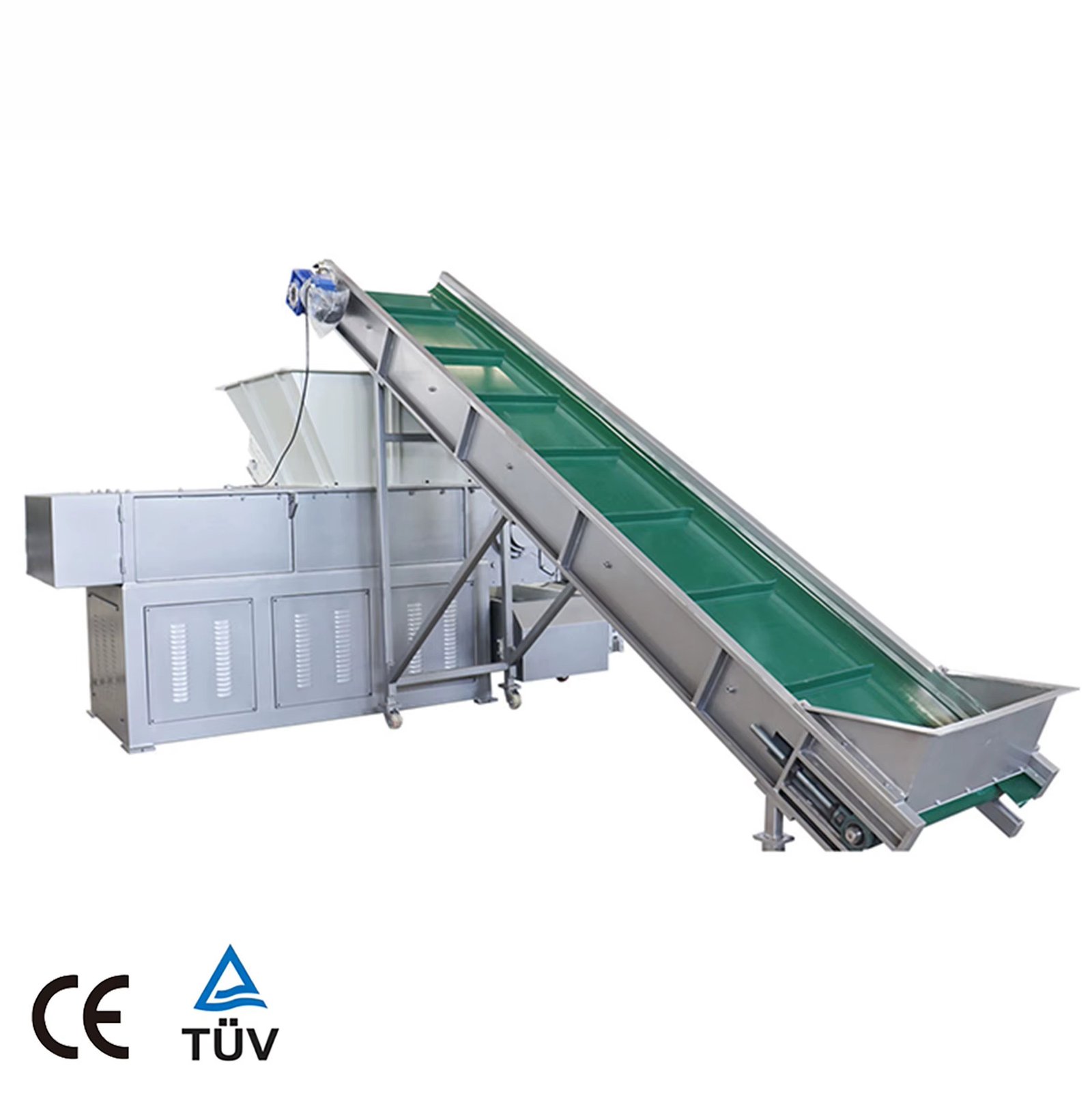
High-Volume Processing
An industrial plastic shredder delivers 1,000+ kg per hour capacity. These robust systems handle demanding continuous operations.
Automated material handling integrates with production lines. PLC controls optimize performance. Heavy-duty construction ensures long service life under challenging conditions.
Join MAIKONG’s Growing Network in the Philippines
We’re expanding our distributor network throughout the Philippines. Represent a proven brand with comprehensive support, competitive pricing, and growing market demand.
Technical Specifications of MAIKONG Plastic Shredders
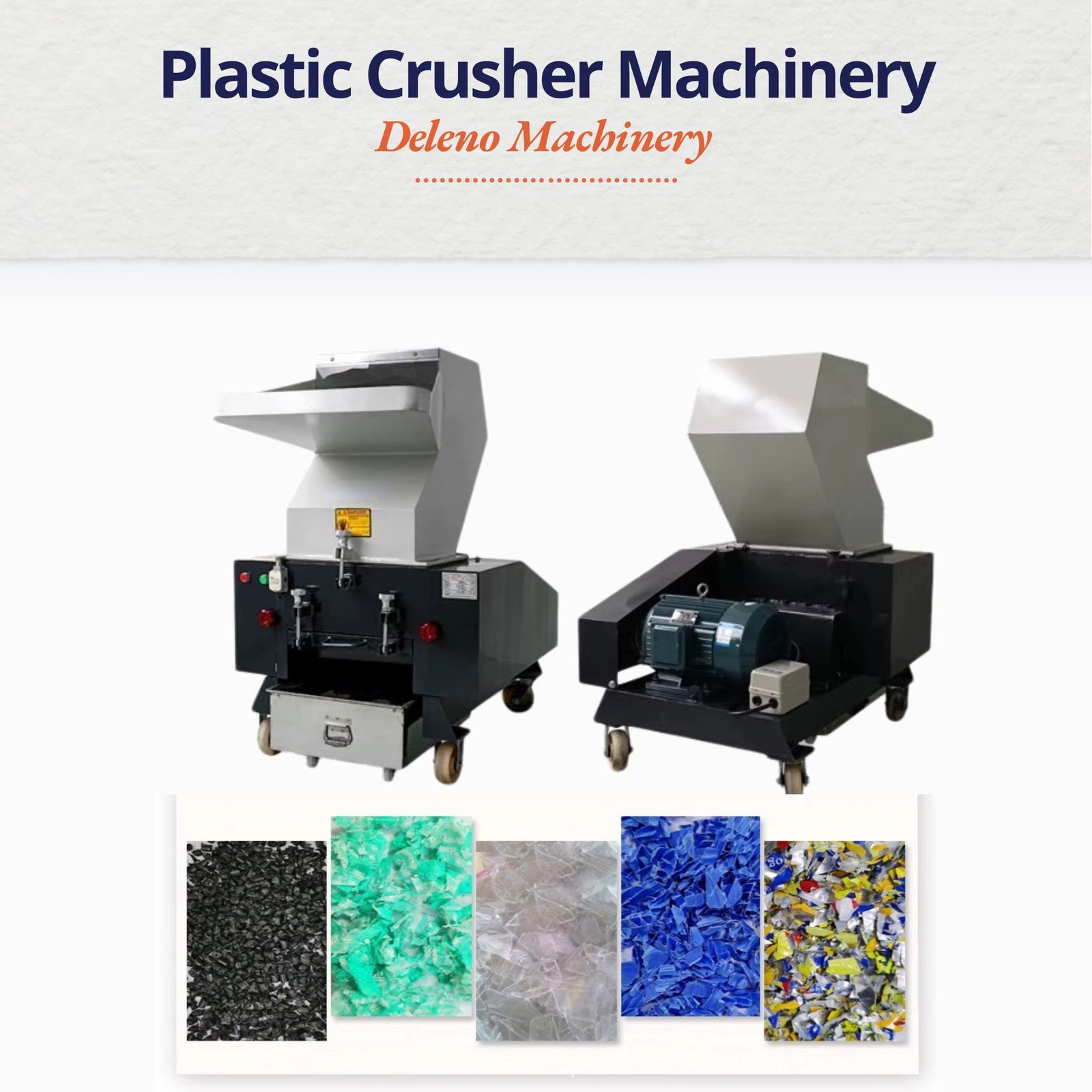
MAIKONG manufactures plastic shredders in multiple configurations to address diverse processing requirements. Our engineering team designs equipment for reliability and efficiency in demanding industrial environments.
Standard Model Specifications
Our product line spans from compact units to full industrial systems. Each model incorporates proven design elements and quality components. Technical specifications guide proper equipment selection.
| Model | Blade Diameter | Motor Power | Capacity | Dimensions (L×W×H) |
| MAIKONG-600 | 220mm | 11-15 kW | 100-150 kg/hr | 2500×1100×1600mm |
| MAIKONG-800 | 300mm | 18.5-22 kW | 200-300 kg/hr | 3000×1400×1800mm |
| MAIKONG-1000 | 400mm | 37-45 kW | 400-600 kg/hr | 3900×1800×2200mm |
| MAIKONG-1400 | 500mm | 55 kW | 800-1000 kg/hr | 4700×2100×2400mm |
| MAIKONG-2000 | 650mm | 132 kW | 1500-2000 kg/hr | 6500×2500×2800mm |
Key Design Features
MAIKONG equipment incorporates engineering solutions that enhance performance and longevity. These features deliver operational advantages across various processing applications.
- Hardened alloy steel blades maintain sharp edges through extended service periods
- Low-speed high-torque operation reduces noise and minimizes heat generation
- Replaceable blade design simplifies maintenance and extends equipment life
- Overload protection systems prevent damage from unshredable contaminants
- Modular construction allows capacity upgrades and configuration changes
- Safety interlocks ensure operator protection during all operating modes
Plastic Shredder Parts and Maintenance Requirements
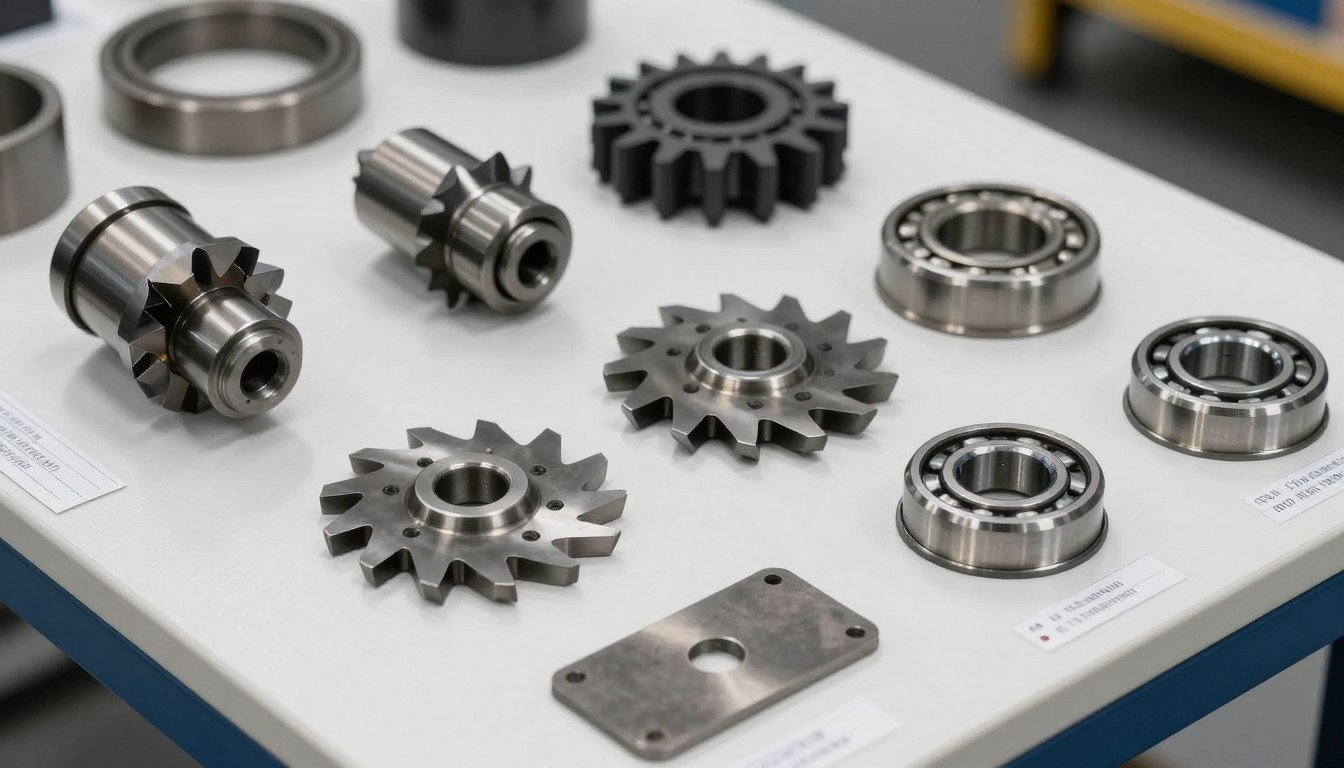
Regular maintenance ensures optimal performance and extends equipment life. Plastic shredder parts availability affects operational continuity. MAIKONG maintains comprehensive parts inventory for all models.
Critical Wear Components
Certain components experience normal wear during operation. Monitoring these parts prevents unexpected failures. Planned replacement schedules minimize downtime and maintain processing efficiency.
Primary Wear Items
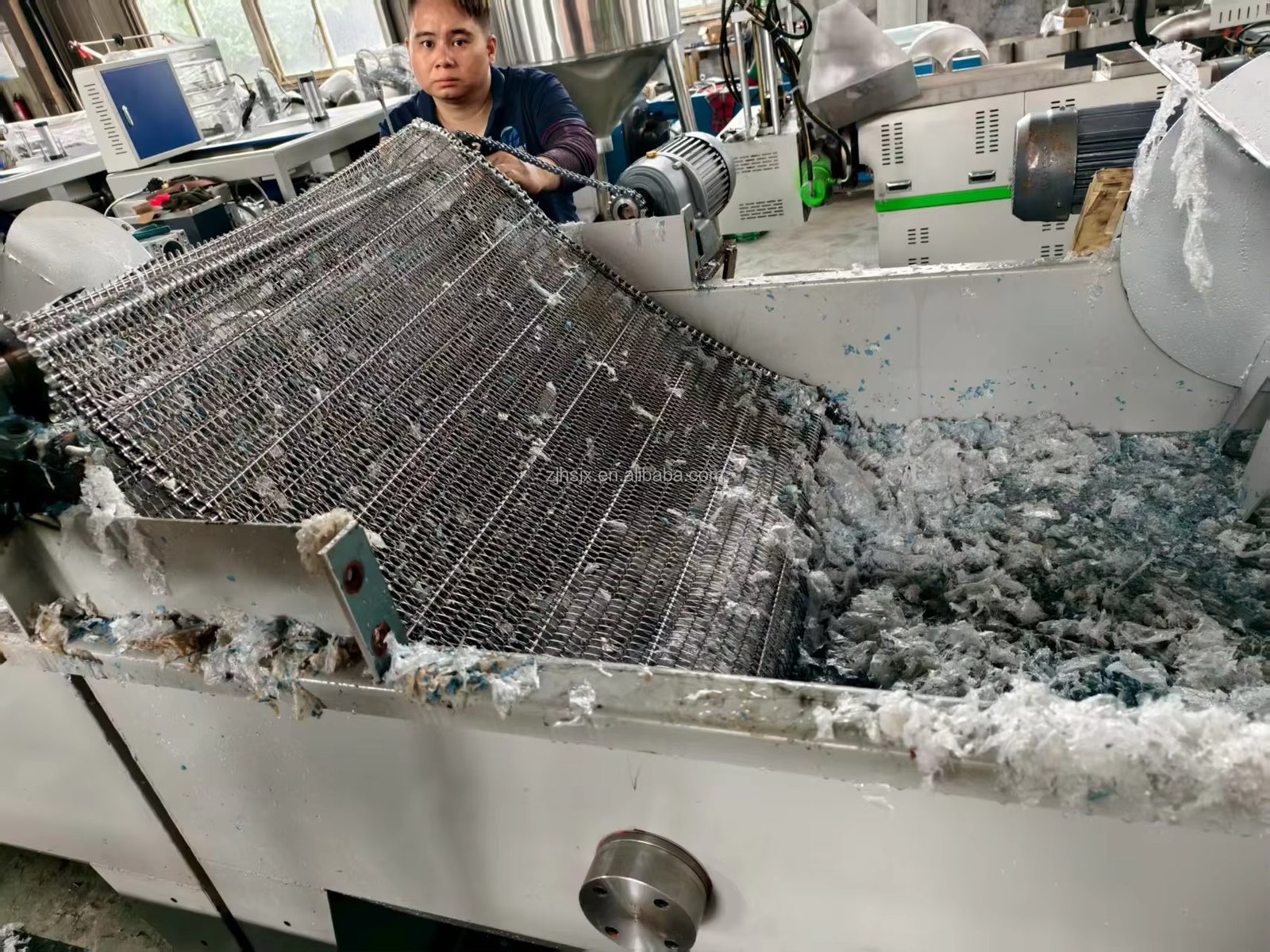
- Shredder blades require periodic replacement based on material type and volume processed
- Screen mesh determines output size and needs changing when openings enlarge
- Bearing assemblies support shaft rotation and require regular lubrication maintenance
- Hydraulic seals prevent fluid leakage in pusher systems and deteriorate over time
Maintenance Schedule Recommendations
Systematic maintenance prevents costly breakdowns. Different components require attention at varying intervals. Following recommended schedules optimizes equipment reliability.
- Conduct daily visual inspections of safety guards and emergency stops before operations begin
- Check blade condition weekly and rotate or replace when wear patterns appear significant
- Lubricate bearing assemblies monthly according to manufacturer specifications and environmental conditions
- Inspect hydraulic systems quarterly for leaks, pressure variations, and component wear
- Perform comprehensive annual maintenance including motor inspection and electrical system testing
Waste Management and Recycling Benefits
Effective waste management creates both environmental and economic value. Plastic shredders enable facilities to transform disposal costs into revenue streams. Processed materials command market prices that offset equipment investment.
Volume Reduction Advantages
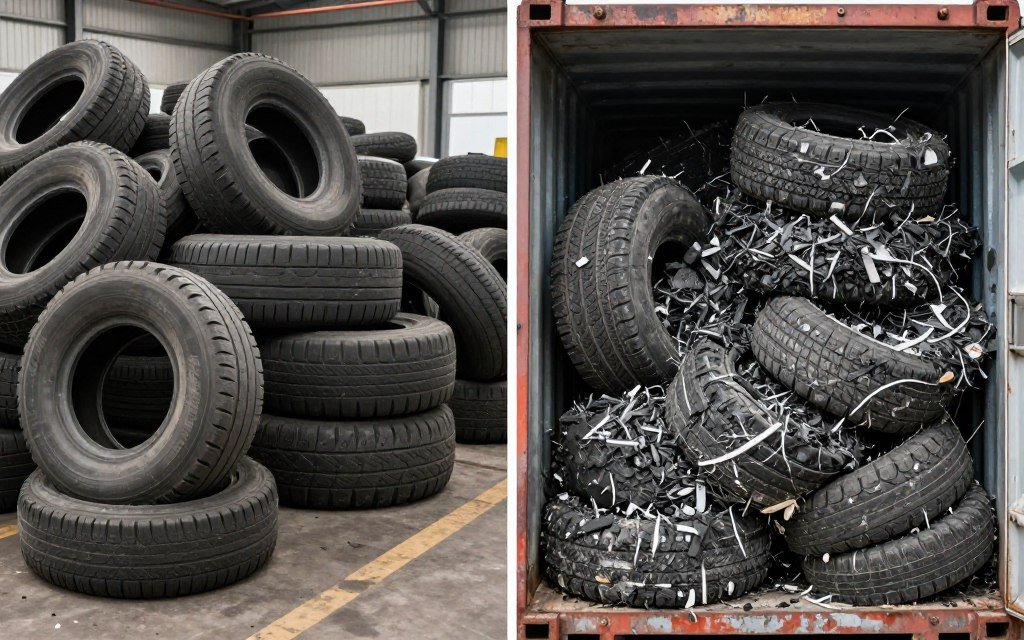
Shredding dramatically reduces material volumes. This reduction affects multiple operational aspects. Transportation costs decrease significantly. Storage space requirements shrink substantially.
Whole tires occupy approximately 75% air space. Shredding eliminates this void volume. The same storage area holds four times more processed material. Similar volume reduction occurs with silicone waste.
Environmental Impact
Proper recycling processes reduce landfill burden. Tire stockpiles create fire hazards and mosquito breeding sites. Shredding and recycling plastic materials prevents these environmental problems.
Recycling Advantages
- Diverts materials from landfills extending disposal site lifespan
- Reduces virgin material consumption preserving natural resources
- Creates local employment in collection and processing operations
- Generates revenue from processed material sales to manufacturers
- Decreases carbon footprint compared to virgin material production
- Eliminates illegal dumping and associated environmental contamination
Processing Challenges
- Initial equipment investment requires capital allocation and planning
- Material sorting and preparation demands labor and facility space
- Market prices fluctuate affecting revenue predictability over time
- Contamination reduces material value and limits application options
- Regional infrastructure gaps limit collection efficiency in some areas
Recycling Facilities in the Philippines Market
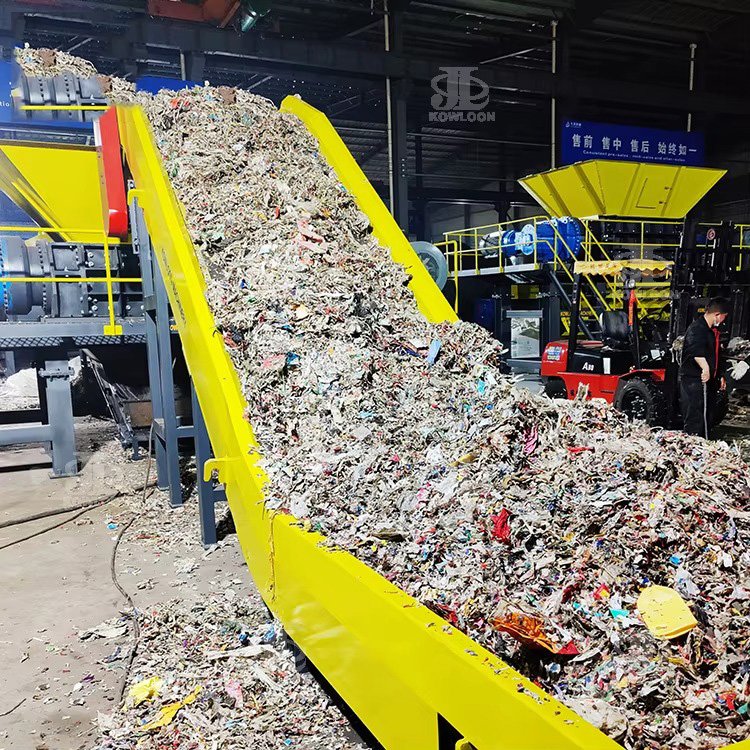
The Philippines waste management sector continues expanding. Government regulations increasingly mandate proper disposal and recycling practices. This creates opportunities for well-equipped recycling facilities.
Growing Market Demand
Industrial development generates increasing waste volumes. Manufacturing facilities seek cost-effective disposal solutions. Recycling plastic waste transforms liability into asset.
Infrastructure development projects consume processed tire rubber. Construction materials incorporating recycled content gain market acceptance. These trends support sustained demand for shredded materials.
Regional Processing Opportunities
Many Philippine regions lack adequate recycling infrastructure. This gap presents business opportunities for entrepreneurs and established operations. Strategic facility placement captures regional material flows.
- Metropolitan Manila generates substantial tire and silicone waste requiring processing
- Cebu and Davao industrial zones produce consistent manufacturing scrap volumes
- Provincial centers need local processing to avoid long-distance transportation costs
- Port cities accumulate imported products reaching end-of-life stages
- Tourist areas generate hospitality-related silicone and rubber waste streams
MAIKONG Partnership Advantages for Philippines Distributors
We provide comprehensive support including technical training, marketing materials, competitive pricing, and rapid parts supply. Build a profitable business representing quality equipment with proven performance.
Maximizing Efficiency in Shredding Operations
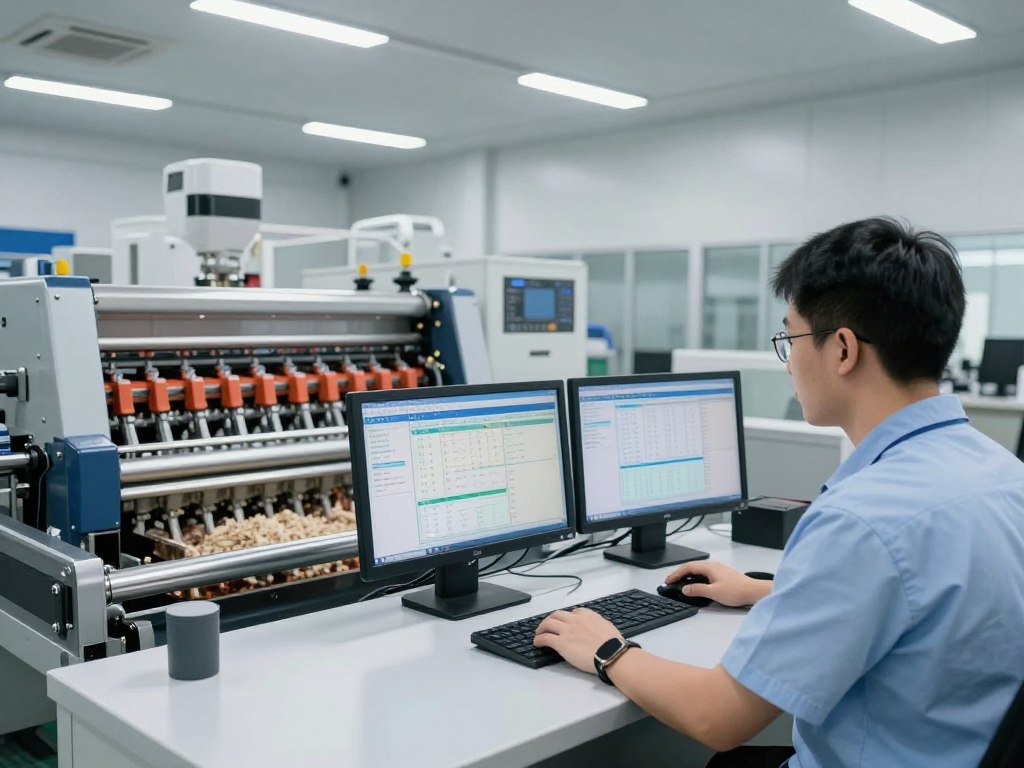
Production efficiency directly impacts profitability. Proper equipment operation, material preparation, and workflow design all contribute to optimal performance. Small improvements compound into significant operational advantages.
Material Preparation Best Practices
Input material condition affects processing speed and output quality. Preparation steps improve overall system efficiency. These procedures prevent equipment damage and reduce maintenance requirements.
- Remove metal components from tires before shredding to prevent blade damage
- Pre-sort materials by type ensuring consistent processing parameters throughout runs
- Eliminate oversized items that exceed equipment capacity specifications
- Clean materials reduce contamination in final products improving market value
- Proper storage prevents material degradation before processing occurs
Optimizing Feed Rates
Consistent material feed maintains stable production. Overfeeding causes jams and motor overload. Underfeeding wastes capacity. Automated systems help maintain optimal rates.
Monitor power consumption during operation. Steady electrical draw indicates proper loading. Fluctuations suggest feed rate adjustments. Modern equipment includes sensors that optimize feeding automatically.
Output Quality Control
Consistent particle size meets market specifications. Screen selection determines output characteristics. Regular screen inspection maintains quality standards throughout production runs.
Quality Monitoring Points
Regular sampling ensures output meets specifications and customer requirements consistently.
- Check particle size distribution hourly during production
- Monitor moisture content in output materials
- Inspect for contamination and foreign materials
- Verify material cleanliness standards compliance
Process Adjustments
Make necessary changes to maintain quality while optimizing production throughput rates.
- Adjust feed rates based on material characteristics
- Change screens when output size drifts
- Modify rotor speed for different materials
- Update blade configuration for specific applications
Documentation Practices
Maintain records that support quality assurance and continuous improvement initiatives.
- Log production volumes and operating hours
- Record maintenance activities and parts replacement
- Track quality test results over time
- Document process changes and outcomes
Safety Compliance
Consistent safety procedures protect workers while maintaining regulatory compliance standards.
- Enforce lockout procedures during maintenance
- Require personal protective equipment usage
- Conduct regular safety training sessions
- Maintain emergency stop functionality
The MAIKONG Advantage for Plastic Shredder Solutions
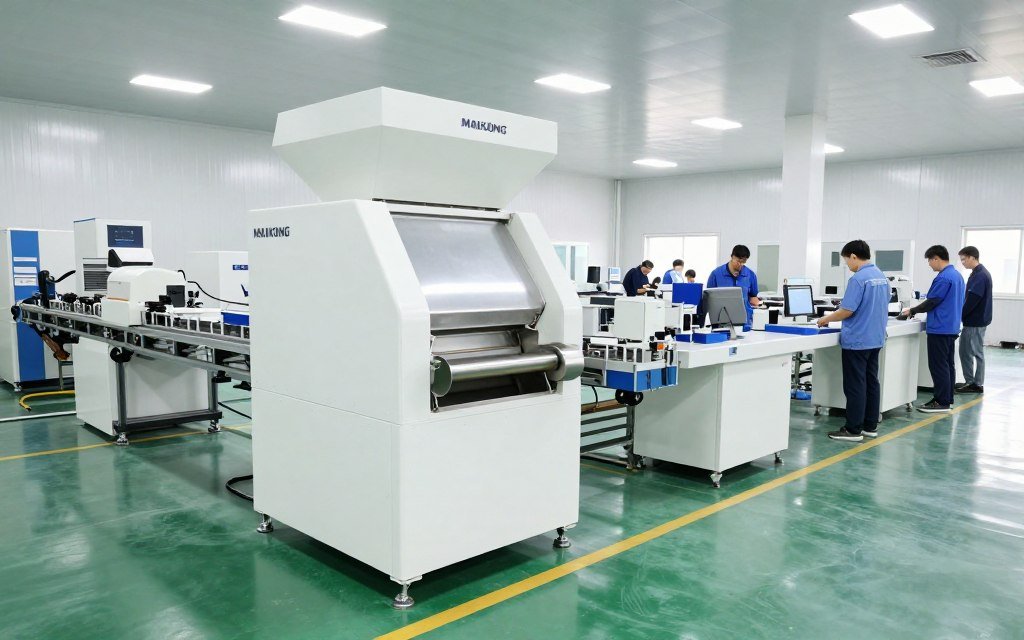
MAIKONG manufactures plastic shredders at our advanced facility in SZ, GD. Our engineering team brings decades of experience to equipment design and manufacturing. This expertise translates into reliable machines that perform consistently.
Quality Manufacturing Standards
We maintain strict quality control throughout production. Each machine undergoes comprehensive testing before shipment. This ensures customers receive equipment that meets specifications and performs reliably.
- Premium alloy steel construction provides durability under demanding conditions
- Precision machining ensures proper component fit and smooth operation
- Quality motors from recognized manufacturers deliver reliable power
- Comprehensive testing validates performance before equipment ships
- Detailed documentation supports installation and operation procedures
Customer Support and Service
Our commitment extends beyond equipment sales. Technical support helps customers optimize operations. Parts availability minimizes downtime. Training ensures proper equipment use.
Philippines customers receive dedicated support through our local network. Technical assistance responds quickly to operational questions. Parts ship promptly from our inventory. This support structure maximizes equipment uptime and productivity.
Getting Started with Your Plastic Shredder Project
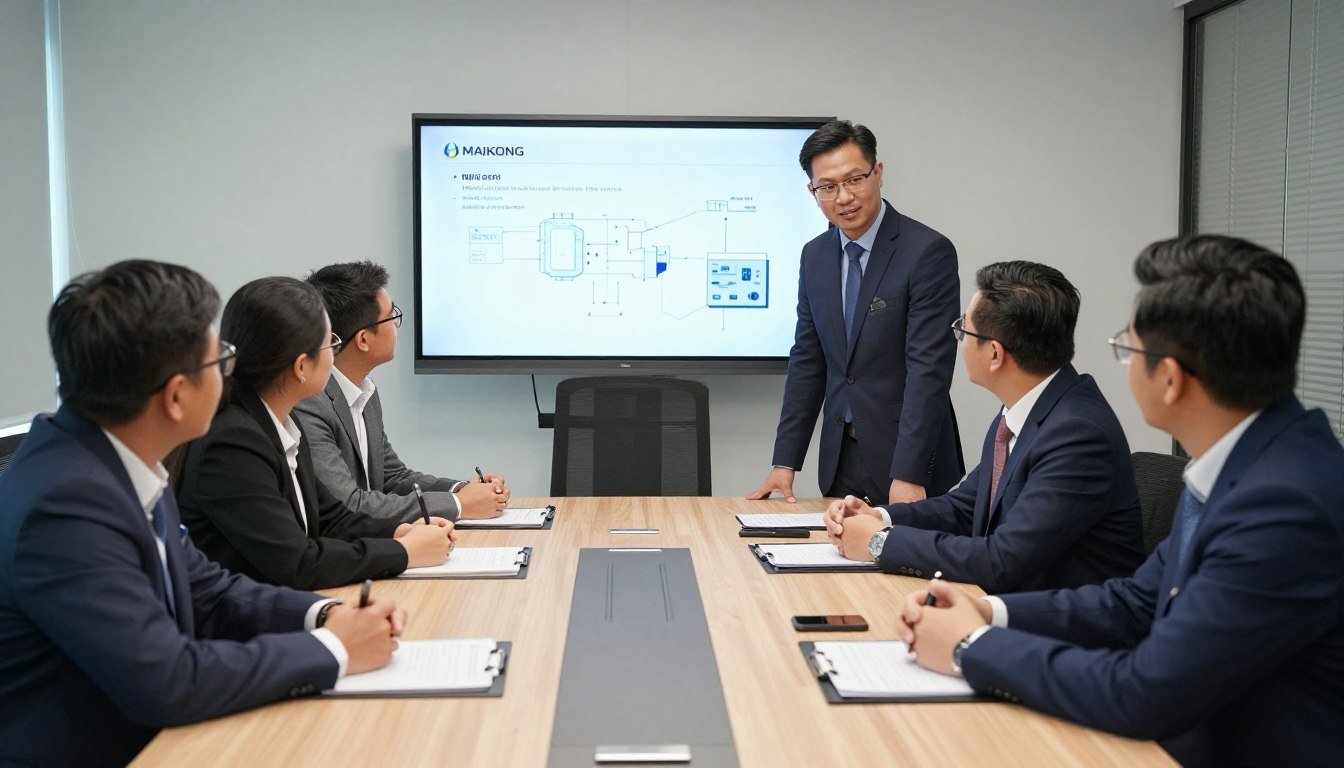
Beginning a shredding operation requires careful planning. Equipment selection, facility design, and operational procedures all need consideration. MAIKONG technical team guides customers through this process.
Initial Assessment Steps
Understanding your specific requirements ensures proper equipment selection. Several factors influence the optimal solution for your operation. Our team helps evaluate these considerations.
- Identify material types and volumes you plan to process through your facility
- Determine required output particle size based on end-use applications or customer specifications
- Assess available floor space and electrical power capacity at your location
- Establish budget parameters for equipment and installation costs
- Define timeline requirements for equipment delivery and startup operations
Implementation Support
MAIKONG provides comprehensive assistance throughout project implementation. From equipment selection through startup, our team supports successful installation. This ensures smooth transition to productive operations.
Installation and Training Services: Our technical specialists provide on-site installation supervision, operator training, and initial startup support. This hands-on assistance helps your team achieve optimal performance quickly while establishing proper operating procedures from the beginning.
Becoming a MAIKONG Distributor
We actively seek qualified distributors throughout the Philippines. Our distributor program offers attractive margins and comprehensive support. This opportunity suits established equipment dealers and entrepreneurs entering the market.
Distributors receive exclusive territory rights, technical training, marketing support, and competitive pricing. We provide the tools needed to build a successful plastic shredder business in your region.
Frequently Asked Questions About Plastic Shredders
What size plastic shredder do I need for processing used tires?
Tire processing requires equipment matched to your volume and tire types. Passenger car tires need less aggressive equipment than truck tires. A facility processing 500 tires daily typically requires an 800-1000 model. Commercial operations handling larger volumes benefit from 1400 or 2000 series machines.
Contact our technical team for a capacity assessment based on your specific tire mix and desired throughput. We’ll recommend appropriate equipment configuration for your operation.
Can one plastic shredder machine handle both rubber and silicone materials?
Yes, properly configured equipment processes both material types effectively. The key factors are blade design, rotor speed, and screen selection. Rubber tires require more aggressive cutting than most silicone products.
We recommend processing similar materials in batches rather than mixing different types simultaneously. This maintains consistent output quality and simplifies downstream processing steps.
How often do plastic shredder parts need replacement?
Replacement intervals depend on materials processed and operating hours. Blades typically require replacement or rotation after 500-1000 operating hours when processing abrasive materials. Cleaner materials extend blade life significantly.
Screens last 1000-2000 hours under normal conditions. Bearings need replacement every 5000-8000 hours with proper lubrication. We provide detailed maintenance schedules specific to your equipment model and application.
What electrical requirements do MAIKONG shredders need?
Smaller models (600-800 series) operate on three-phase 380-415V power. Larger industrial units require three-phase 380-415V with higher amperage capacity. Our smallest bench units can use single-phase 220V power.
We provide detailed electrical specifications with equipment quotes. Most Philippine industrial facilities have adequate power infrastructure for our standard models. Custom voltage configurations are available for special requirements.
How does shredding differ from grinding for plastic waste?
Shredding uses cutting and tearing action while grinding employs friction and compression. Shredders handle larger input sizes and process bulky items whole. Grinders produce finer output but require smaller feed material.
For tire and silicone processing, shredding provides the primary size reduction. Grinding may follow shredding if very fine particles are needed for specific applications. Many operations use only shredding to achieve adequate particle size.
What support does MAIKONG provide Philippines customers?
We maintain parts inventory specifically for Philippines market needs. Technical support responds within 24 hours to operational questions. Our distributor network provides local service capabilities.
Installation assistance, operator training, and startup supervision are available. We provide comprehensive documentation in English. Video support helps troubleshoot issues quickly without waiting for on-site visits.
Conclusion: Advancing Recycling with Quality Equipment
Plastic shredders enable profitable processing of challenging materials like rubber tires and silicone products. The right equipment transforms waste disposal costs into revenue opportunities. MAIKONG provides proven solutions for operations of all scales.
Philippine businesses benefit from local support combined with manufacturing expertise. Our equipment delivers reliable performance in demanding applications. Comprehensive parts availability and technical assistance ensure long-term operational success.
Whether you operate a small workshop or industrial recycling facility, proper equipment selection optimizes results. Material characteristics, processing volumes, and output requirements all influence the best solution. Our technical team helps navigate these decisions for optimal outcomes.
The growing Philippines market offers substantial opportunities for equipped recycling facilities. Infrastructure development and environmental regulations drive demand for processed materials. Strategic investment in quality shredding equipment positions businesses to capture this market growth.
Start Your Plastic Recycling Success with MAIKONG
Connect with our technical team to discuss your specific rubber tire and silicone processing requirements. We’ll provide expert guidance, detailed specifications, and competitive pricing for equipment that matches your needs.
Visit our website for comprehensive product information, technical resources, and customer success stories: plasticshredder.ph
Interested in becoming a MAIKONG distributor in the Philippines? Learn about our partnership program: Distributor Opportunities
Learn more about MAIKONG: About Our Company