Industrial Shredding Solutions for Philippine Businesses
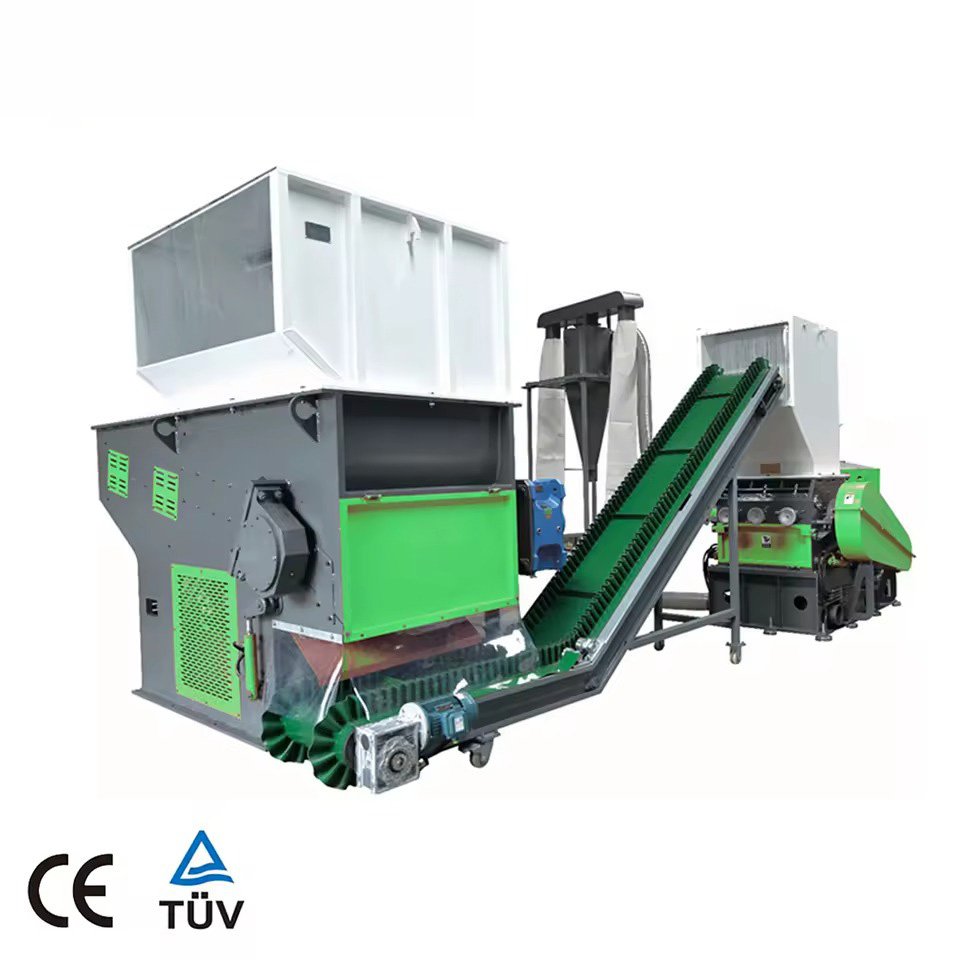
MAIKONG manufactures specialized plastic shredder equipment for processing Tetra Pak and composite packaging materials. Our machines help Philippine businesses reduce waste disposal costs while supporting environmental compliance requirements.
Composite Packaging and Shredding Requirements
Composite packaging materials represent a significant portion of modern food and beverage containers. These materials combine multiple layers to preserve product quality and extend shelf life. Each type of composite packaging requires specific shredding approaches based on material composition and thickness.
What Makes Tetra Pak Shredding Challenging
Tetra Pak containers consist of six distinct layers. The outer layer uses polyethylene for moisture protection. Paper provides structural integrity in the middle layers. An aluminum foil layer blocks light and oxygen. Additional polyethylene layers seal the interior.
This complex structure creates unique challenges for shredding equipment. Standard shredder machines often jam or produce inconsistent particle sizes. The aluminum layer dulls cutting blades quickly. Paper fibers can wrap around rotating components.
Layer Composition of Tetra Pak Materials
- 75% paperboard (structural support)
- 20% polyethylene plastic (moisture barrier)
- 5% aluminum foil (light and oxygen barrier)
- Multiple bonding adhesive layers
- Total thickness: 0.3-0.4mm typical
Common Composite Packaging Types
- Aseptic beverage cartons (milk, juice)
- Stand-up pouches with foil layers
- Multi-layer snack packaging
- Pharmaceutical blister packs
- Flexible food pouches with barriers
Material Characteristics Affecting Shredding Performance
Different material properties influence how effectively a plastic shredder machine processes composite packaging. Understanding these characteristics helps select appropriate equipment for your facility.
Tensile strength determines how materials resist tearing during the shredding process. Aluminum layers increase overall tensile strength significantly. Paper layers tear more easily but create fiber problems. Plastic layers stretch before breaking, requiring sharp cutting edges.
| Material Property | Impact on Shredding | Equipment Requirement | Processing Speed |
| High tensile strength | Requires more cutting force | Heavy-duty industrial plastic shredder | Moderate (200-300 kg/hr) |
| Multiple bonded layers | Resistance to separation | Sharp blade design, high torque | Moderate (250-350 kg/hr) |
| Aluminum content | Accelerated blade wear | Hardened steel blades | Variable by design |
| Paper fiber content | Wrapping around components | Anti-wrapping rotor design | Fast (300-400 kg/hr) |
| Plastic flexibility | Material feeding challenges | Force-feeding system | Moderate (200-300 kg/hr) |
Why Proper Shredding Matters for Philippine Businesses
The Philippine waste management sector faces increasing pressure to handle composite packaging materials responsibly. Proper shredding technology offers multiple benefits for businesses dealing with these materials. Volume reduction stands as the most immediate advantage. Implementing effective shredding processes creates both economic and environmental value.
Economic Benefits of Industrial Shredding Systems
Waste disposal costs represent a significant expense for Philippine manufacturers and beverage companies. Un-shredded Tetra Pak containers consume valuable space in collection bins and transport vehicles. A quality plastic shredder machine reduces material volume by 70-85 percent.
This volume reduction directly translates to lower transportation costs. Fewer trips to disposal facilities mean reduced fuel expenses. Recycling facilities also prefer receiving pre-shredded materials. Many offer better pricing for properly processed composite materials.
Cost Savings Example: A medium-sized beverage distributor in Manila reduced waste transportation costs by 65% after installing a MAIKONG industrial plastic shredder. Monthly savings exceeded PHP 45,000 within the first year of operation.
Environmental Compliance and Corporate Responsibility
Philippine environmental regulations continue evolving regarding packaging waste management. The Extended Producer Responsibility Act places obligations on businesses to manage post-consumer packaging. Proper shredding demonstrates commitment to environmental compliance.
Many international brands require Philippine suppliers to meet specific waste management standards. Documentation showing proper composite material processing helps maintain supplier relationships. Shredding equipment provides the infrastructure needed for compliance reporting.
Key Environmental Advantages
- Reduced landfill space consumption
- Lower carbon footprint from transportation
- Improved material recovery rates
- Support for circular economy initiatives
- Meeting international sustainability standards
- Enhanced corporate social responsibility profile
Material Recovery and Revenue Opportunities
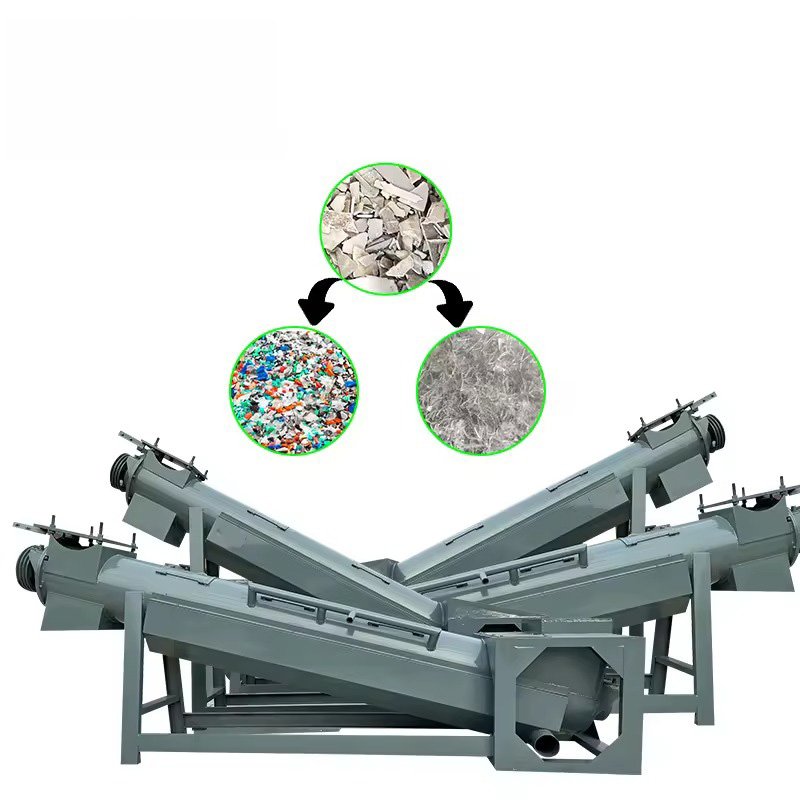
Properly shredded composite materials become more valuable in secondary markets. The shredding process separates layers more effectively than manual methods. This separation improves the quality of recovered materials.
Paper fibers from Tetra Pak materials command reasonable prices in recycling markets. Aluminum content, though small by weight, adds value to the recovered material stream. Some advanced facilities further process shredded output to recover individual material types.
Revenue Potential: Philippine recycling facilities report earning PHP 8-12 per kilogram for properly shredded and sorted Tetra Pak materials. This compares to PHP 2-3 per kilogram for mixed, un-shredded composite waste.
Operational Efficiency and Space Management
Factory floor space represents valuable real estate in Philippine industrial facilities. Accumulating un-shredded packaging waste consumes significant areas. This reduces space available for productive operations.
A compact plastic shredder machine processes waste continuously throughout production shifts. Materials move directly from shredding to collection or baling. This streamlined workflow eliminates temporary storage areas for bulky waste.
Reduced waste volume also improves workplace safety and cleanliness. Smaller waste piles mean fewer tripping hazards. Less frequent waste collection reduces foot traffic in production areas. These factors contribute to better overall facility management.
Shredding Technology and Equipment Types
Understanding available shredding technologies helps Philippine businesses select appropriate equipment. Different machine designs address specific material characteristics and processing volumes. MAIKONG offers multiple equipment categories tailored to various operational requirements.
Single-Shaft vs. Double-Shaft Shredder Systems
Two primary designs dominate the industrial shredding market. Each offers distinct advantages for processing composite packaging materials. Equipment selection depends on desired output size, throughput volume, and material characteristics.
Single-shaft shredders use one rotating shaft with cutting blades. These machines work against a stationary counter blade. This design excels at producing uniform particle sizes. Single-shaft systems deliver consistent output suitable for further processing.
Double-shaft shredders employ two counter-rotating shafts with interlocking blades. This design provides exceptional torque for tough materials. The scissor-like cutting action handles variable material types effectively. Double-shaft systems process mixed waste streams more reliably.
| Feature | Single-Shaft Shredder | Double-Shaft Shredder | Best Application |
| Particle size control | Excellent (uniform output) | Good (variable output) | Recycling operations |
| Processing speed | High (400-600 kg/hr) | Moderate (200-400 kg/hr) | High-volume facilities |
| Material versatility | Good | Excellent | Mixed waste streams |
| Maintenance frequency | Regular blade replacement | Lower maintenance needs | Continuous operations |
| Energy consumption | Moderate (15-37 kW typical) | Higher (22-90 kW typical) | Cost-sensitive operations |
| Initial investment | Lower | Higher | Budget considerations |
Small Plastic Shredder for Limited Space Operations
Not every Philippine facility requires large-scale industrial equipment. Small businesses and retail locations generate significant Tetra Pak waste from daily operations. A small plastic shredder provides practical solutions for space-constrained environments.
These compact machines typically feature 600-800mm cutting chamber widths. Motor ratings range from 11-22 kW, suitable for standard Philippine electrical infrastructure. Despite smaller size, modern designs maintain excellent processing capabilities for composite materials.
MAIKONG Model 600 Small Plastic Shredder
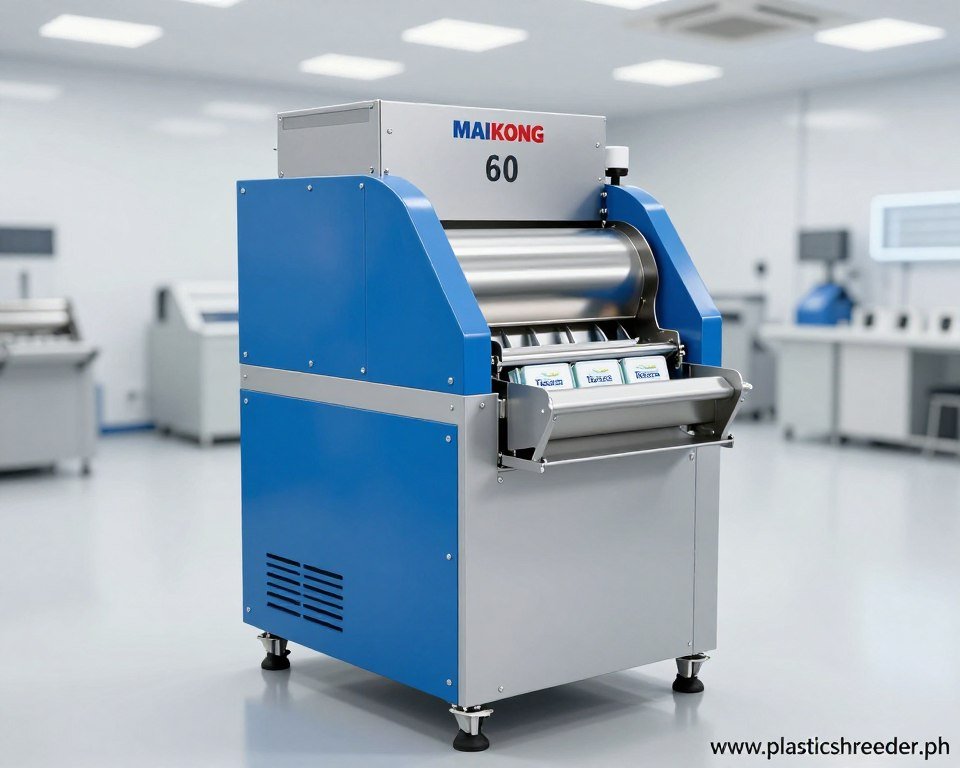
- Cutting chamber: 600mm width
- Motor power: 11-15 kW dual motors
- Capacity: 150-200 kg/hr Tetra Pak
- Blade diameter: 220mm
- Dimensions: 2500×1100×1600mm
- Ideal for retail and small distribution centers
MAIKONG Model 800 Small Plastic Shredder
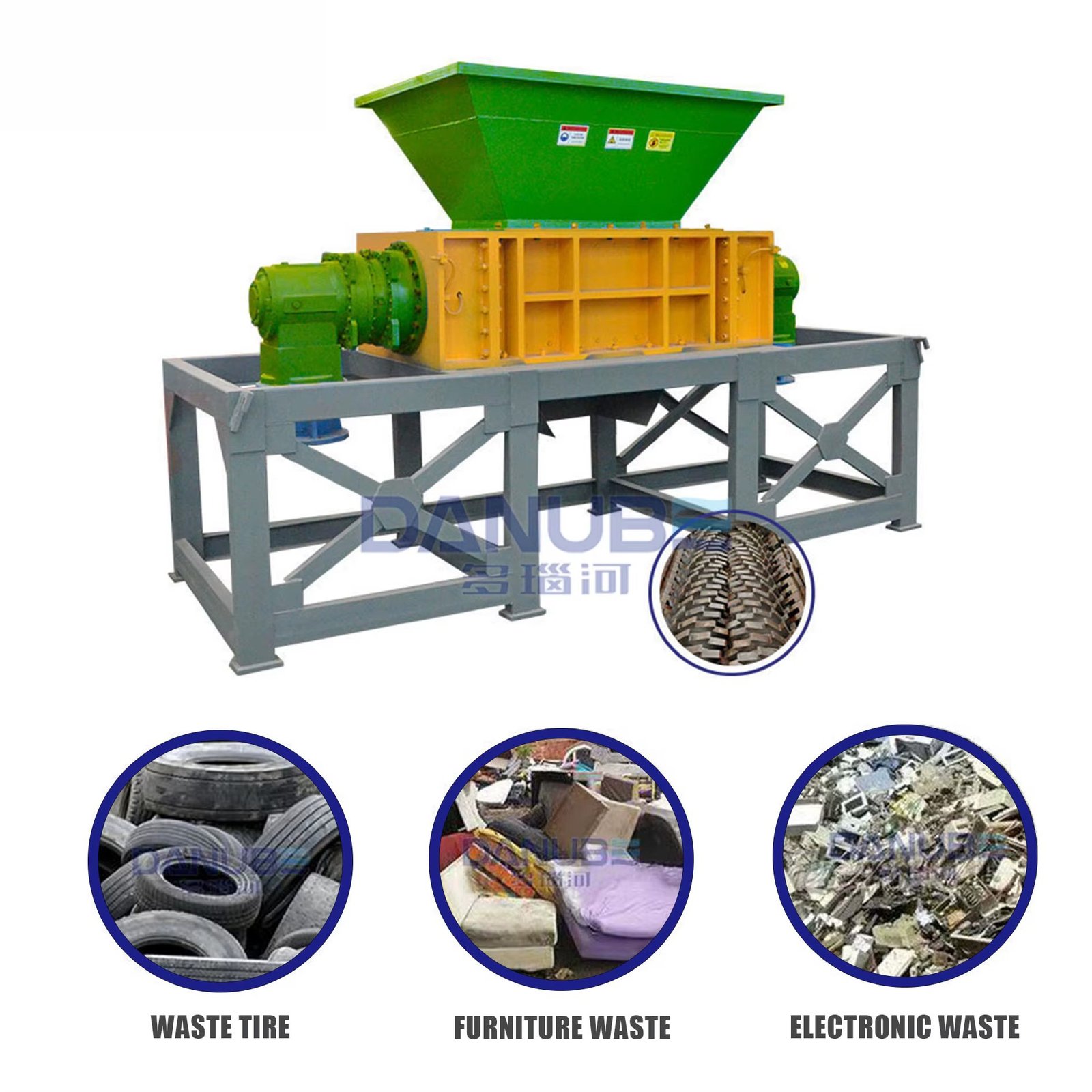
- Cutting chamber: 800mm width
- Motor power: 18.5-22 kW dual motors
- Capacity: 200-300 kg/hr composite materials
- Blade diameter: 300mm
- Dimensions: 3000×1400×1800mm
- Perfect for medium-volume operations
Mini Plastic Shredder Machine Applications
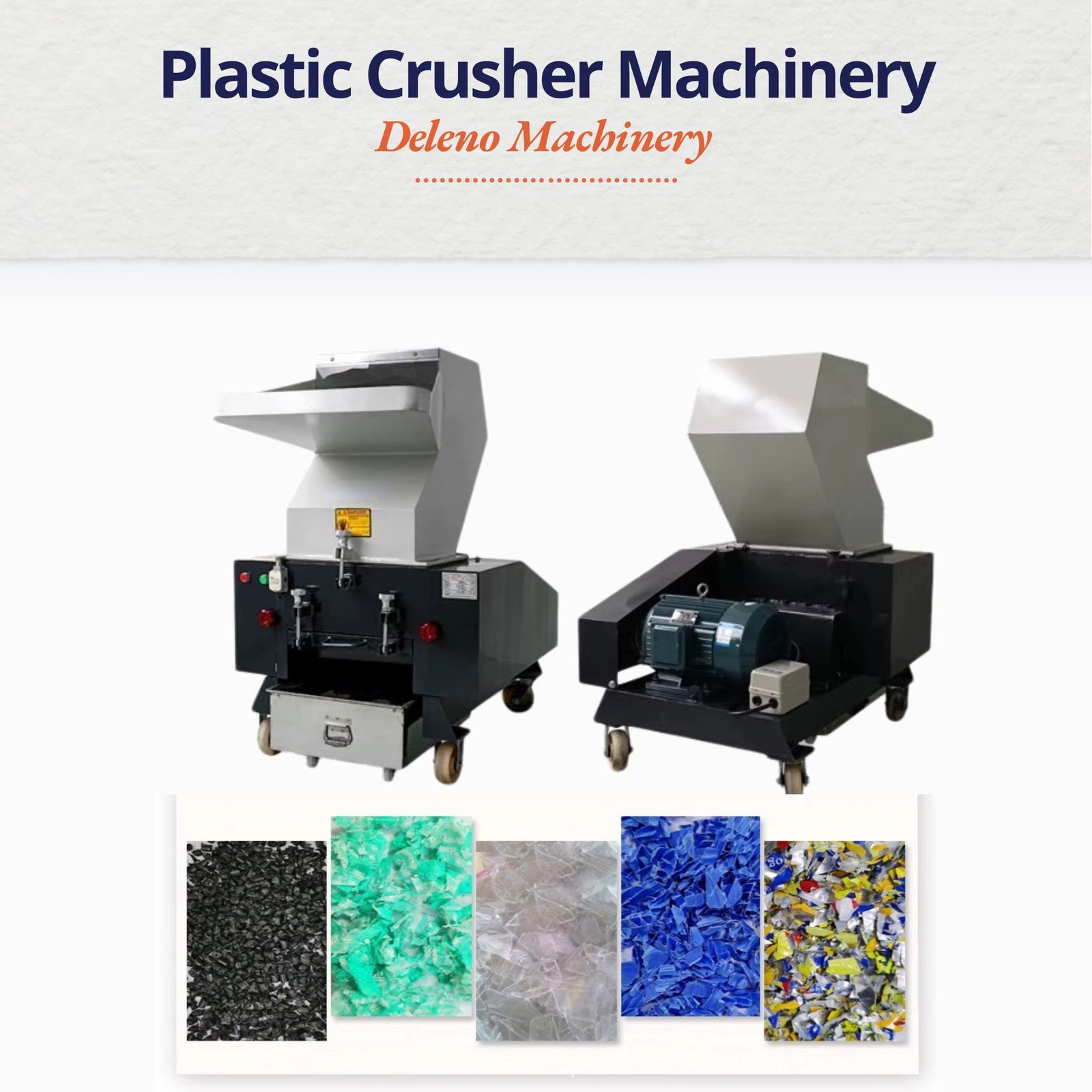
- Mobile and portable designs available
- Suitable for testing and sampling
- Educational facility applications
- Research and development use
- On-site demonstration capabilities
- Lower initial investment option
Industrial Plastic Shredder for High-Volume Processing
Large recycling facilities and beverage manufacturers require robust equipment capable of continuous operation. Industrial plastic shredders handle substantial daily throughput while maintaining consistent output quality. These systems represent the backbone of serious composite material processing operations.
MAIKONG industrial shredders feature heavy-duty construction designed for Philippine operating conditions. Reinforced cutting chambers withstand the stress of processing tough composite materials. High-torque drive systems maintain consistent performance even with challenging waste streams.
Heavy-Duty Model Specifications
- Chamber widths: 1000-2000mm
- Motor power: 45-132 kW configurations
- Processing capacity: 400-800 kg/hr
- Blade diameter: 400-650mm
- Shaft diameter: 180-320mm hardened steel
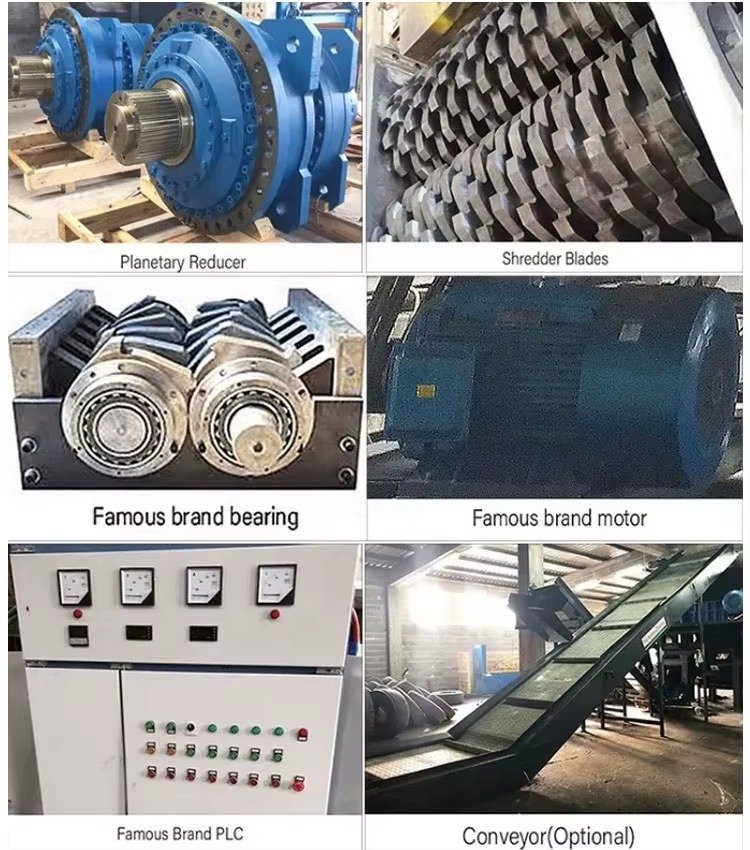
- Reducer models: Heavy-duty square box or ZSY series
Industrial Features and Benefits
- Continuous operation capability (24/7)
- PLC control systems for automation
- Automatic reverse for overload protection
- Interchangeable blade configurations
- Integrated dust collection options
- Remote monitoring capabilities available
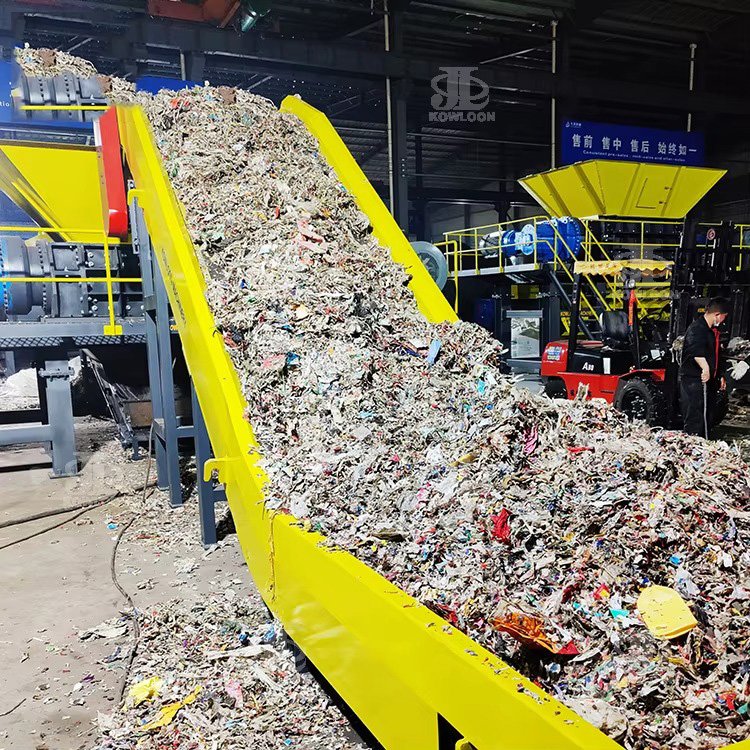
Critical Plastic Shredder Parts and Maintenance
Understanding key components helps Philippine businesses maintain optimal shredding performance. Regular attention to plastic shredder parts prevents costly downtime and extends equipment life. MAIKONG designs facilitate easy maintenance and part replacement.
Essential Components for Composite Material Processing
The rotor assembly represents the heart of any shredder system. This component carries cutting blades and generates the force needed to process materials. MAIKONG offers three rotor types optimized for different applications.
Standard rotors suit general-purpose shredding of mixed composite materials. Film-optimized rotors handle flexible packaging more effectively. Heavy-duty rotors tackle the toughest challenges including materials with high aluminum content.
Cutting Blades
Detachable cutting heads simplify maintenance and replacement. Special alloy construction resists wear from abrasive materials. Multiple blade thicknesses accommodate different processing needs.
- Material: High-grade alloy steel
- Hardness: 58-62 HRC typical
- Lifespan: 800-1200 hours operation
- Replacement time: 2-4 hours
Drive System
Heavy-duty reducers transfer motor power to the cutting rotor. Multiple configuration options support different processing requirements. Quality components ensure reliable long-term operation.
- Reducer types: ZQ, Square box, ZSY series
- Gear ratios: Application-specific
- Lubrication: Oil bath or forced circulation
- Service life: 50,000+ hours
Motor and Controls
Multiple motor brand options accommodate customer preferences. Siemens, ABB, and WEG motors provide reliable performance. Schneider or Siemens electrical components ensure steady operation.
- Motor options: Siemens, ABB, WEG
- Control systems: Standard or PLC
- Protection: Overload, reverse capability
- Monitoring: Optional remote access
Maintenance Best Practices for Philippine Conditions
Philippine tropical climate presents specific maintenance challenges. High humidity affects electrical components and promotes corrosion. Dust and debris from processing operations require regular cleaning attention.
Establishing a routine maintenance schedule prevents unexpected breakdowns. Daily inspections catch developing problems early. Weekly lubrication maintains smooth operation. Monthly detailed examinations identify wear patterns before failure occurs.
Maintenance Tip: Philippine facilities should implement daily visual inspections of cutting blades. The aluminum content in Tetra Pak materials accelerates blade wear. Early detection of blade dullness maintains processing efficiency and prevents motor strain.
Replacement Parts Availability in the Philippines
MAIKONG maintains parts inventory to support Philippine customers effectively. Critical components ship quickly to minimize downtime. Local distributor networks provide additional support throughout the country.
Common wear items including blades, bearings, and seals stock in sufficient quantities. Emergency parts shipments reach major Philippine cities within 48-72 hours. This responsive support system protects customer operations from extended interruptions.
Need Replacement Plastic Shredder Parts?
Our technical team helps identify the correct parts for your MAIKONG shredder. We maintain inventory of common wear components to ensure fast delivery to Philippine facilities.
The Shredding Process: From Whole Containers to Usable Material
Understanding the complete shredding workflow helps Philippine businesses optimize their operations. Each step in the process contributes to final output quality. Proper procedures maximize equipment efficiency and material recovery rates.
Material Collection and Pre-Processing
Effective shredding begins before materials reach the machine. Collection systems should minimize contamination from non-target materials. Glass, metals other than aluminum, and excessive moisture create processing challenges.
Tetra Pak containers often arrive with residual liquid content. Allowing materials to drain for 24-48 hours improves processing efficiency. This simple step reduces motor strain and prevents liquid accumulation in collection systems.
Pre-Processing Recommendation: Philippine facilities processing beverage containers should implement simple drainage racks. Inverting containers for 24 hours before shredding reduces moisture content by 80-90%. This protects electrical components and improves output quality.
Feeding Methods and Automation Options
Manual feeding suits smaller operations with limited volumes. Operators load materials directly into the shredder hopper. This approach provides maximum flexibility but limits throughput capacity.
Conveyor feeding systems automate material delivery to the shredding chamber. Belt conveyors handle light materials effectively. Screw conveyors work well for denser materials or where vertical feeding helps. Automated feeding increases capacity while reducing labor requirements.
Vertical pusher systems force materials against the cutting rotor. This aggressive feeding method suits tough materials and increases processing speed. The vertical ram prevents material bridging and ensures consistent feed rates.
Cutting Action and Particle Size Control
Materials enter the cutting chamber where rotating blades perform the shredding action. Blade design determines cutting effectiveness and final particle characteristics. MAIKONG offers multiple blade configurations for different output requirements.
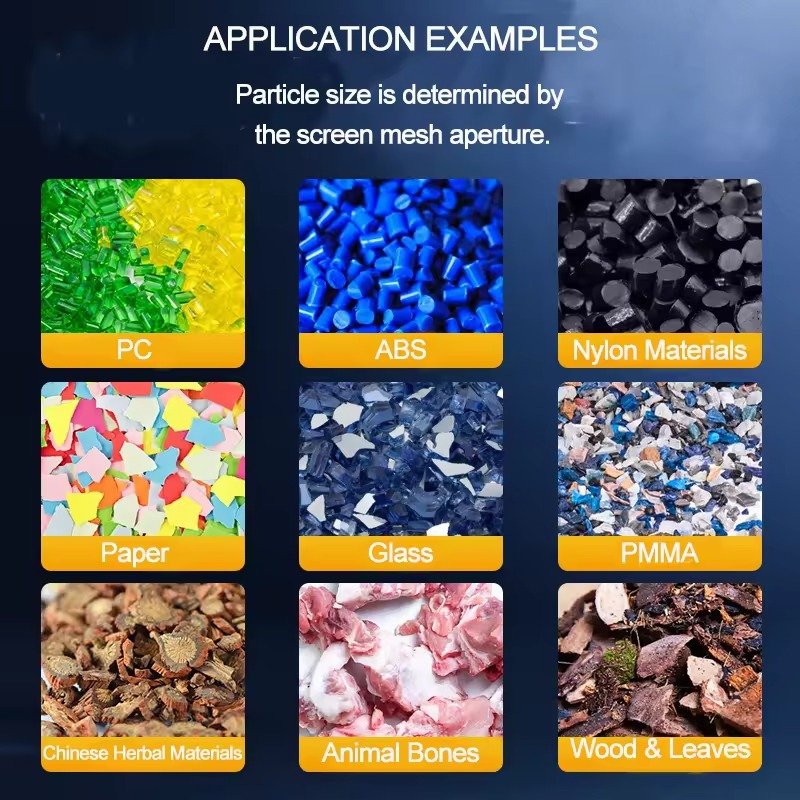
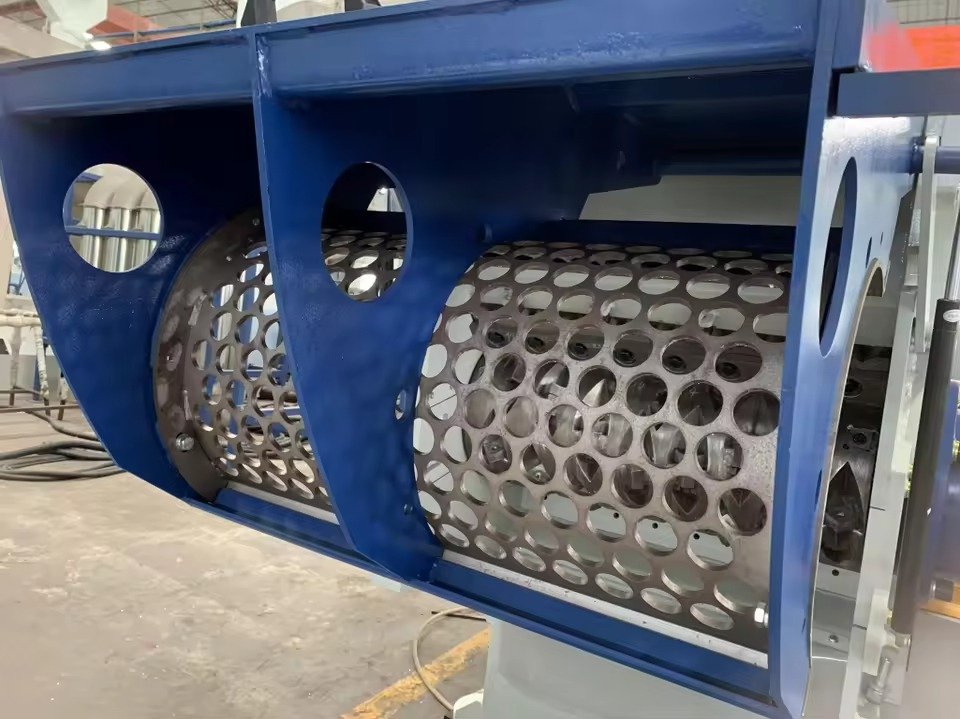
Standard blade spacing produces 12-25mm particle sizes suitable for most recycling applications. Closer blade spacing creates finer output when needed. Screen plates below the cutting chamber further control particle size distribution.
Factors Affecting Output Quality
- Blade sharpness and condition
- Rotor speed and motor power
- Material feeding rate consistency
- Screen plate hole sizing (if used)
- Material moisture content
- Ambient temperature conditions
- Blade spacing and configuration
- Equipment maintenance status
Output Collection and Further Processing
Shredded material exits the machine through discharge openings. Simple gravity chutes direct output to collection containers. More sophisticated systems use conveyors or pneumatic collection.
Cyclone collection systems separate shredded material from dust and fine particles. A blower pulls material through ductwork to a cyclone separator. This approach keeps the work area cleaner and produces better-sorted output.
Some Philippine facilities implement additional processing steps after initial shredding. Magnetic separators remove ferrous contamination. Air classification systems separate lighter paper fractions from heavier plastic and aluminum. These extra steps increase recovered material value.
Selecting the Right Plastic Shredder Machine for Your Philippine Facility
Equipment selection requires careful consideration of multiple factors. Philippine businesses must evaluate their specific needs against available machine capabilities. MAIKONG technical staff helps customers identify optimal solutions for their operations.
Assessing Your Material Volume and Type
Daily processing volume represents the primary selection criterion. Calculate average and peak material quantities your facility generates. A plastic shredder should handle peak volumes without constant maximum operation.
Material characteristics influence equipment requirements significantly. Pure Tetra Pak waste requires different capabilities than mixed composite streams. Contamination levels and material cleanliness affect machine performance and maintenance needs.
Power Supply and Installation Considerations
Philippine electrical infrastructure varies significantly by region. Verify available voltage and phase configuration at your facility. Most MAIKONG shredders operate on standard 380V three-phase power.
Motor sizing must match electrical supply capacity. Larger industrial shredders require substantial starting current. Some facilities need transformer upgrades to support equipment requirements. Factor these potential costs into total project budgets.
Installation space requirements extend beyond machine footprint. Allow room for material staging before shredding. Output collection areas need adequate space as well. Maintenance access requires clearance around the equipment.
Budget Considerations and Return on Investment
Initial equipment cost represents just one component of total ownership expenses. Factor in installation costs, electrical work, and any facility modifications. Ongoing expenses include maintenance, parts replacement, and energy consumption.
Calculate expected cost savings from reduced waste disposal expenses. Add potential revenue from selling recovered materials. Many Philippine facilities achieve payback periods of 18-36 months depending on processing volumes.
Investment Benefits
- Reduced waste transportation costs (40-70% savings)
- Lower landfill disposal fees
- Revenue from recovered materials
- Improved environmental compliance
- Enhanced corporate reputation
- Operational efficiency gains
- Competitive advantage in market
Cost Considerations
- Initial equipment investment
- Installation and setup costs
- Electrical infrastructure upgrades
- Staff training requirements
- Ongoing maintenance expenses
- Periodic blade replacement
- Energy consumption costs
Support and Service Availability
Technical support availability influences long-term equipment satisfaction. MAIKONG provides comprehensive support for Philippine customers through multiple channels. Phone, WhatsApp, and email contact options ensure quick response to urgent needs.
Local distributor networks offer additional advantages for Philippine businesses. On-site service visits address complex issues requiring hands-on attention. Distributor partnerships often provide faster parts delivery and emergency support services.
Become a MAIKONG Distributor in the Philippines
We seek qualified partners throughout the Philippines to distribute our plastic shredder equipment. Distributor benefits include technical training, marketing support, competitive pricing, and exclusive territory opportunities.
Contact our partnership team: Lucy@plasticshredder.ph
Safety and Operational Tips for Shredding Operations
Safe operation protects workers while maximizing equipment longevity. Philippine facilities must implement proper safety protocols for shredding operations. Understanding risk factors helps prevent accidents and equipment damage.
Essential Safety Protocols
All shredder operators require thorough safety training before equipment use. Training should cover machine operation, emergency stops, and hazard recognition. Regular refresher sessions reinforce safe practices and introduce updates.
Personal protective equipment (PPE) requirements vary by facility, but minimum standards include safety glasses, hearing protection, and closed-toe shoes. Loose clothing and jewelry present entanglement hazards near rotating equipment. Establish and enforce clear dress code policies.
Critical Safety Warning: Never reach into the shredding chamber while equipment operates. Always use the emergency stop before attempting to clear jams or inspect internal components. Rotating blades present severe injury risk even at slow speeds.
Material Handling Best Practices
Proper material preparation reduces processing problems and safety risks. Remove obvious contaminants before loading materials. Metal cards, glass bottles, and non-target items damage blades and create hazards.
Feed materials at consistent rates to prevent overloading. Overloaded machines operate inefficiently and experience accelerated wear. Most MAIKONG shredders include overload protection, but prevention remains preferable to relying on safety features.
Liquid content in containers presents slip hazards around equipment. Provide adequate drainage and implement regular cleaning schedules. Non-slip floor surfaces near the shredder improve worker safety significantly.
Operational Tips for Maximum Efficiency
Run equipment at recommended speeds rather than maximum capacity. Operating at 70-80% of rated capacity extends component life while maintaining good throughput. This approach reduces maintenance frequency and associated costs.
Monitor output quality regularly throughout operations. Changes in particle size or consistency indicate developing equipment issues. Addressing problems early prevents major failures and maintains product quality.
Daily Operation Checklist
Start each shift with these verification steps:
- Visual inspection of blades and cutting chamber
- Check all safety guards in place
- Verify emergency stop function
- Inspect electrical connections
- Test control panel functions
- Check lubrication levels
Maintenance Schedule
Regular maintenance prevents breakdowns:
- Daily: Visual inspection and cleaning
- Weekly: Lubrication of key components
- Monthly: Detailed examination and adjustments
- Quarterly: Blade inspection and rotation
- Annually: Complete system overhaul
- As needed: Blade replacement and repairs
Common Issues and Solutions
Troubleshoot these frequent problems:
- Excessive noise: Check blade tightness
- Reduced output: Inspect blade sharpness
- Material jamming: Adjust feed rate
- Motor overheating: Verify ventilation
- Irregular particle size: Examine screen condition
- Vibration: Check rotor balance
Performance Optimization
Maximize your equipment efficiency:
- Maintain consistent material feed rates
- Pre-sort materials by type when possible
- Keep blades sharp through proper maintenance
- Monitor electrical consumption patterns
- Document processing parameters
- Train all operators thoroughly
Emergency Procedures
Establish clear emergency protocols for your facility. All operators must know emergency stop locations and procedures. Post emergency contact information prominently near equipment.
In case of equipment fire, know the location of appropriate fire extinguishers. Class C extinguishers suit electrical equipment fires. Never use water on electrical fires as this creates electrocution risk.
Develop procedures for different emergency scenarios including jams, fires, and injuries. Practice these procedures regularly through drills. Quick, appropriate responses minimize damage and protect personnel.
Environmental Impact and Sustainability Benefits
Proper shredding of composite materials delivers significant environmental advantages for the Philippines. The country faces mounting challenges managing packaging waste. Effective shredding technology represents a practical step toward sustainable waste management.
Reducing Landfill Burden
Philippine landfills receive millions of Tetra Pak containers annually. Un-shredded containers consume disproportionate space relative to their weight. This rapid space consumption shortens landfill operational life significantly.
Volume reduction through shredding extends landfill capacity. A facility processing 500kg of Tetra Pak materials daily saves approximately 45 cubic meters of landfill space monthly. Across thousands of facilities, this collective impact becomes substantial.
Beyond volume reduction, shredded materials decompose more predictably in landfill environments. Smaller particle sizes facilitate more efficient compaction. This improved compaction further extends available landfill space.
Supporting Circular Economy Initiatives
The Philippine government increasingly emphasizes circular economy principles. Proper material processing enables higher recycling rates. Shredded composite materials integrate more easily into recycling streams than whole containers.
Paper fibers recovered from Tetra Pak materials find uses in construction materials. Plastic components supplement pellet production for manufacturing. Even small amounts of recovered aluminum contribute value. These recovered materials reduce virgin resource extraction.
“Implementing proper shredding technology helped our facility increase material recovery rates by 45%. We now sell recovered materials instead of paying disposal fees. This transformation improved both our environmental performance and bottom line.”
Carbon Footprint Reduction
Transportation represents a significant component of waste management carbon emissions. Reducing transported volume directly decreases fuel consumption. A facility that previously required weekly waste collection may only need monthly pickups after implementing shredding.
Manufacturing virgin materials consumes substantially more energy than processing recycled content. Each kilogram of recovered material reduces the carbon footprint associated with virgin material production. Small individual reductions accumulate to meaningful environmental benefits.
Compliance with Environmental Regulations
Philippine environmental regulations continue evolving toward stricter waste management requirements. The Extended Producer Responsibility Act creates obligations for packaging waste. Proper shredding infrastructure helps businesses meet these regulatory demands.
Documentation capabilities built into modern shredder systems support compliance reporting. Many MAIKONG machines include monitoring features that track processing volumes. This data facilitates accurate reporting to regulatory authorities.
International businesses operating in the Philippines face additional sustainability expectations. Parent companies often require local operations to meet global environmental standards. Implementing proper shredding technology demonstrates commitment to these standards.
Cost Analysis and Financial Benefits
Understanding the complete financial picture helps Philippine businesses make informed equipment decisions. Initial investment costs represent only one component of total ownership economics. Comprehensive analysis reveals the true value proposition of shredding technology.
Direct Cost Savings
Waste transportation expenses decrease dramatically with volume reduction. A facility generating 100 cubic meters of un-shredded Tetra Pak waste monthly pays for substantial hauling services. After implementing shredding, the same facility generates only 15-25 cubic meters monthly.
Landfill tipping fees in Philippine urban areas continue rising. These fees typically charge by weight or volume. Volume reduction creates immediate fee savings. Some facilities report monthly savings of PHP 30,000-80,000 depending on processing volumes.
| Facility Size | Monthly Tetra Pak Volume | Transportation Savings | Disposal Fee Savings | Total Monthly Savings | Annual Impact |
| data-label=”Facility Size”>Small retail (convenience store cluster) | data-label=”Monthly Tetra Pak Volume”>500 kg | data-label=”Transportation Savings”>PHP 3,500 | data-label=”Disposal Fee Savings”>PHP 2,800 | data-label=”Total Monthly Savings”>PHP 6,300 | data-label=”Annual Impact”>PHP 75,600 |
| data-label=”Facility Size”>Medium distribution center | data-label=”Monthly Tetra Pak Volume”>2,000 kg | data-label=”Transportation Savings”>PHP 12,000 | data-label=”Disposal Fee Savings”>PHP 9,500 | data-label=”Total Monthly Savings”>PHP 21,500 | data-label=”Annual Impact”>PHP 258,000 |
| data-label=”Facility Size”>Large beverage manufacturer | data-label=”Monthly Tetra Pak Volume”>8,000 kg | data-label=”Transportation Savings”>PHP 42,000 | data-label=”Disposal Fee Savings”>PHP 35,000 | data-label=”Total Monthly Savings”>PHP 77,000 | data-label=”Annual Impact”>PHP 924,000 |
| data-label=”Facility Size”>Regional recycling facility | data-label=”Monthly Tetra Pak Volume”>20,000 kg | data-label=”Transportation Savings”>PHP 95,000 | data-label=”Disposal Fee Savings”>PHP 82,000 | data-label=”Total Monthly Savings”>PHP 177,000 | data-label=”Annual Impact”>PHP 2,124,000 |
Revenue Generation Opportunities
Properly processed composite materials command higher prices in secondary markets. Buyers prefer shredded materials for ease of handling and transportation. The consistent particle size also facilitates further processing.
Philippine recycling brokers actively seek quality Tetra Pak materials. Prices fluctuate based on commodity markets but generally range from PHP 8-15 per kilogram for clean, shredded material. Compare this to PHP 2-4 per kilogram for un-shredded mixed waste.
Some larger facilities develop direct relationships with end processors. Eliminating broker margins increases revenue per kilogram. This approach requires larger, more consistent volumes but significantly improves economics.
Calculating Payback Period
Return on investment calculations should consider all financial factors. Initial equipment cost forms the baseline. Add installation expenses, electrical work, and operator training costs. These combined figures represent total initial investment.
Monthly savings from reduced waste expenses provide the primary offset. Add potential revenue from material sales. Subtract ongoing operating costs including maintenance, parts, and energy consumption. The net monthly benefit determines payback period.
Example Calculation: A medium-sized Philippine facility invests PHP 850,000 in a MAIKONG Model 800 shredder. Installation and setup add PHP 120,000. Monthly savings total PHP 28,000 (waste reduction) plus PHP 12,000 (material sales). Monthly operating costs run PHP 8,500. Net monthly benefit: PHP 31,500. Payback period: approximately 31 months.
Long-Term Value Considerations
Equipment lifespan extends beyond initial payback period. A well-maintained MAIKONG industrial shredder operates effectively for 12-15 years. After payback, the equipment continues generating positive cash flow for many additional years.
Regulatory compliance value increases over time as environmental requirements strengthen. Early adopters of proper shredding technology avoid future compliance urgency and potential penalties. This proactive approach provides competitive advantages.
Property value considerations also merit attention. Facilities with proper waste management infrastructure attract higher valuations. Modern shredding equipment represents tangible asset value. This factor matters for businesses considering future sale or expansion.
Philippine Success Stories and Applications
Real-world examples demonstrate how Philippine businesses benefit from implementing MAIKONG shredding solutions. These success stories span various industries and facility sizes. Each example offers lessons applicable to similar operations.
Beverage Distribution Success
A major soft drink distributor in Cebu faced mounting waste management costs. The facility distributed products in Tetra Pak containers throughout Visayas region. Monthly waste disposal expenses exceeded PHP 85,000.
The company installed a MAIKONG Model 1000 industrial plastic shredder in their main warehouse. Processing capacity of 450 kg/hr matched their daily generation of approximately 180 kg. Initial investment totaled PHP 1,250,000 including installation.
Results appeared within the first month of operation. Transportation costs dropped 68% due to volume reduction. The facility began selling shredded material to a local recycling broker for PHP 11/kg. Monthly net savings reached PHP 64,000.
Municipal Recycling Program
A progressive city government in Luzon implemented a comprehensive recycling program targeting composite packaging. The program collected Tetra Pak materials from residential and commercial sources. Volume exceeded processing capabilities of existing manual methods.
The municipality acquired two MAIKONG Model 800 shredders for their central processing facility. Total investment reached PHP 1,800,000 including building modifications and operator training. Equipment operated six days weekly processing collected materials.
Program results exceeded expectations significantly. Material recovery rates increased from 12% to 67% for composite packaging. The municipality generates revenue selling processed materials while dramatically reducing landfill dependency. The program now serves as a model for other Philippine cities.
Manufacturing Facility Implementation
A food processing plant in Davao generated substantial Tetra Pak waste from quality control and packaging operations. Daily production created approximately 250 kg of composite material waste. Storage space limitations created operational challenges.
The plant installed a small plastic shredder (Model 600) directly adjacent to the packaging line. This location enabled immediate processing of waste materials. The compact footprint (2.5m x 1.1m) fit within available factory floor space.
Implementation delivered multiple operational improvements beyond waste cost reduction. Eliminating waste accumulation improved factory cleanliness and safety. Production flow improved with waste processing integrated into normal operations. The payback period of 22 months positioned this as one of their most successful capital projects.
Technical Specifications and Model Comparison
Detailed technical specifications help Philippine buyers evaluate equipment options systematically. MAIKONG offers a comprehensive range of models serving different operational scales. Understanding specification differences enables informed selection decisions.
Complete Model Range Overview
The MAIKONG shredder line spans from compact units suitable for retail locations to heavy industrial systems for major recycling facilities. Each model category serves specific volume and application requirements. Configuration options within each model provide additional flexibility.
| Model | Blade Diameter | Shaft Diameter | Motor Power | Capacity (Tetra Pak) | Dimensions (L×W×H) |
| data-label=”Model”>Model 600 | data-label=”Blade Diameter”>220mm | data-label=”Shaft Diameter”>110mm | data-label=”Motor Power”>11-15 kW × 2 | data-label=”Capacity (Tetra Pak)”>150-200 kg/hr | data-label=”Dimensions (L×W×H)”>2500×1100×1600mm |
| data-label=”Model”>Model 800 | data-label=”Blade Diameter”>300mm | data-label=”Shaft Diameter”>140mm | data-label=”Motor Power”>18.5-22 kW × 2 | data-label=”Capacity (Tetra Pak)”>200-300 kg/hr | data-label=”Dimensions (L×W×H)”>3000×1400×1800mm |
| data-label=”Model”>Model 800 Heavy | data-label=”Blade Diameter”>400mm | data-label=”Shaft Diameter”>180mm | data-label=”Motor Power”>37-45 kW × 2 | data-label=”Capacity (Tetra Pak)”>300-400 kg/hr | data-label=”Dimensions (L×W×H)”>3700×1800×2200mm |
| data-label=”Model”>Model 1000 | data-label=”Blade Diameter”>400mm | data-label=”Shaft Diameter”>180mm | data-label=”Motor Power”>45 kW × 2 | data-label=”Capacity (Tetra Pak)”>350-450 kg/hr | data-label=”Dimensions (L×W×H)”>3900×1800×2200mm |
| data-label=”Model”>Model 1200 | data-label=”Blade Diameter”>400mm | data-label=”Shaft Diameter”>180mm | data-label=”Motor Power”>45 kW × 2 | data-label=”Capacity (Tetra Pak)”>400-500 kg/hr | data-label=”Dimensions (L×W×H)”>4100×1800×2300mm |
| data-label=”Model”>Model 1400 | data-label=”Blade Diameter”>500mm | data-label=”Shaft Diameter”>260mm | data-label=”Motor Power”>55 kW × 2 | data-label=”Capacity (Tetra Pak)”>500-650 kg/hr | data-label=”Dimensions (L×W×H)”>4700×2100×2400mm |
| data-label=”Model”>Model 1600 | data-label=”Blade Diameter”>500mm | data-label=”Shaft Diameter”>260mm | data-label=”Motor Power”>75 kW × 2 | data-label=”Capacity (Tetra Pak)”>600-750 kg/hr | data-label=”Dimensions (L×W×H)”>5400×2400×2600mm |
| data-label=”Model”>Model 1800 | data-label=”Blade Diameter”>600mm | data-label=”Shaft Diameter”>280mm | data-label=”Motor Power”>90 kW × 2 | data-label=”Capacity (Tetra Pak)”>700-850 kg/hr | data-label=”Dimensions (L×W×H)”>5600×2400×2800mm |
| data-label=”Model”>Model 2000 | data-label=”Blade Diameter”>650mm | data-label=”Shaft Diameter”>320mm | data-label=”Motor Power”>132 kW × 2 | data-label=”Capacity (Tetra Pak)”>800-1000 kg/hr | data-label=”Dimensions (L×W×H)”>6500×2500×2800mm |
Material-Specific Performance
Processing capacity varies significantly based on material characteristics. The specifications above reflect typical Tetra Pak container processing. Other composite material types may process at different rates.
Stand-up pouches with less aluminum content typically process 15-20% faster than Tetra Pak. Pharmaceutical blister packs process slower due to rigidity. Mixed streams containing varied materials reduce throughput by 20-30% compared to sorted materials.
Customization Options
MAIKONG offers extensive customization to match specific Philippine customer requirements. These options address unique facility constraints or processing needs. Understanding available customizations helps optimize equipment for your application.
Standard Features
- Dual-shaft counter-rotating design
- Hardened alloy steel blades
- Heavy-duty gearbox reducers
- Overload protection system
- Emergency stop controls
- Basic electrical control panel
- Standard blade configuration
- Manual material feeding
Available Upgrades
- PLC control system with touchscreen
- Automatic reverse functionality
- Hydraulic motor options
- Vertical pusher ram feeder
- Conveyor feeding systems
- Cyclone output collection
- Elevated mounting racks
- Specialized blade configurations
Premium Options
- Remote monitoring capability
- Integrated dust suppression
- Automated sorting systems
- Custom chamber sizing
- Soundproofing enclosures
- Material detection sensors
- Production tracking software
- Extended warranty packages
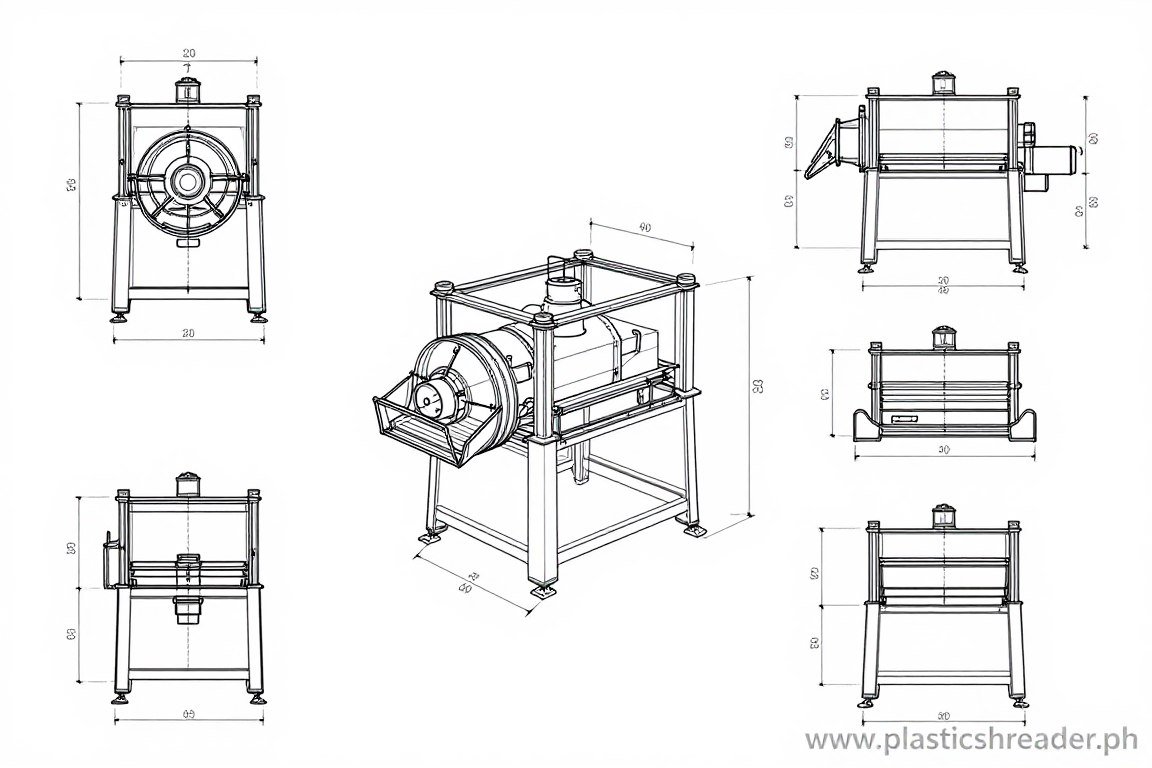
Installation and Setup Process
Proper installation ensures optimal equipment performance and longevity. Philippine facilities require specific considerations based on local conditions and infrastructure. MAIKONG provides comprehensive installation support to ensure successful equipment deployment.
Pre-Installation Planning
Successful installation begins weeks before equipment arrival. Site preparation requirements vary by model size and configuration. Larger industrial models need substantial foundation work. Smaller units may only require reinforced floor areas.
Electrical infrastructure assessment identifies necessary upgrades. Verify that existing electrical service capacity supports motor requirements. Factor in starting current demands which exceed running loads. Most Philippine facilities use 380V three-phase power suitable for MAIKONG equipment.
Space planning extends beyond machine footprint. Material staging areas require consideration. Output collection space needs allocation. Maintenance access demands clearance on multiple sides. Adequate planning prevents operational constraints later.
Site Preparation Checklist
- Measure and verify installation space dimensions
- Assess floor load capacity (equipment weight plus material)
- Confirm electrical service capacity and voltage
- Plan material flow paths (input and output)
- Identify locations for control panels and operators
- Arrange for equipment delivery access
- Prepare foundation or reinforcement as needed
- Install electrical supply connections
- Plan dust control and ventilation if required
- Coordinate installation crew scheduling
Required Infrastructure
- Electrical: 380V three-phase power with appropriate amperage
- Foundation: Concrete pad or reinforced floor (thickness varies by model)
- Space: Machine footprint plus 1-2 meters clearance all sides
- Ventilation: Natural or mechanical air circulation
- Drainage: Floor drainage for cleaning and liquid discharge
- Lighting: Adequate task lighting for safe operation
- Access: Forklift or crane access for delivery and maintenance
Installation Process Timeline
Typical installation spans 3-5 days for standard configurations. Complex setups with conveyors and automation extend this timeline. MAIKONG provides experienced technicians or coordinates with qualified local partners for Philippine installations.
Day one focuses on equipment positioning and anchoring. Machinery moves into final location using forklifts or cranes. Anchoring to foundation prevents movement during operation. Leveling ensures proper alignment and smooth operation.
Electrical connections occupy day two. Licensed electricians should perform this work following Philippine electrical codes. Motor wiring, control panel installation, and safety circuit verification complete this phase. Proper grounding protects both equipment and personnel.
Days three and four involve final assembly, testing, and calibration. Blade installation and adjustment ensure optimal cutting geometry. All safety systems undergo testing. Test runs with actual materials verify proper operation before handover.
Operator Training
Comprehensive training accompanies every MAIKONG installation in the Philippines. Training covers safe operation, routine maintenance, and basic troubleshooting. Hands-on instruction ensures operators develop confidence and competence.
Training programs typically span 2-3 days following installation completion. Multiple operators should participate to ensure knowledge redundancy. Written materials supplement hands-on instruction providing ongoing reference resources.
Training Coverage: MAIKONG operator training addresses machine operation procedures, safety protocols, daily maintenance tasks, common issue recognition, emergency procedures, material preparation tips, performance optimization, and documentation requirements.
Frequently Asked Questions About Shredding Tetra Pak Materials
What makes Tetra Pak shredding different from regular plastic shredding?
Tetra Pak materials contain multiple bonded layers including paper, polyethylene, and aluminum foil. This composite structure requires specialized shredding equipment with hardened blades and sufficient torque. Regular plastic shredders designed for single-material applications often struggle with the varying densities and material properties within composite packaging.
The aluminum layer presents particular challenges by accelerating blade wear. Paper fibers can wrap around rotating components if blade design doesn’t account for this characteristic. MAIKONG shredders incorporate design features specifically addressing these composite material challenges.
How much space does a plastic shredder machine require in a Philippine facility?
Space requirements vary significantly by model size. A small plastic shredder like the Model 600 requires approximately 2.5 meters by 1.1 meters of floor space. However, you should plan for additional clearance around the machine.
Total space allocation should include machine footprint plus 1-2 meters on all sides for maintenance access. Material staging areas before shredding need consideration. Output collection space also requires planning. A typical complete installation area for a medium-sized unit spans 20-30 square meters.
What electrical power requirements do these machines have?
Most MAIKONG plastic shredders operate on 380V three-phase electrical power standard throughout the Philippines. Smaller models (600-800) typically use 11-22 kW dual motors. Medium models utilize 37-55 kW configurations. Large industrial shredders may require 75-132 kW power.
Starting current exceeds running current by 3-5 times. Your electrical service must accommodate these surge demands. Some facilities require transformer upgrades to support larger models. Consult with a licensed electrician to verify your facility’s capacity.
How often do blades need replacement?
Blade lifespan depends on several factors including material type, processing volume, and maintenance quality. When processing primarily Tetra Pak materials, expect blade life of 800-1200 operating hours under normal conditions.
Facilities processing 4-6 hours daily typically replace blades every 6-9 months. Higher aluminum content materials accelerate wear. Regular blade inspection helps identify optimal replacement timing. Early replacement prevents decreased efficiency and motor strain.
Can these machines process wet or unwashed Tetra Pak containers?
Yes, MAIKONG shredders can process containers with residual liquid content. However, performance and component longevity improve with drier materials. Excessive moisture increases motor load and can affect electrical components over time.
Best practice involves allowing containers to drain for 24-48 hours before shredding. This simple step removes 80-90% of residual liquid. The improved processing efficiency and reduced equipment stress justify the minimal additional handling.
What maintenance do these machines require?
Regular maintenance includes daily visual inspections, weekly lubrication of key components, and monthly detailed examinations. Daily tasks take 10-15 minutes. Weekly lubrication requires 30-45 minutes. Monthly inspections span 2-3 hours.
Critical maintenance points include blade condition monitoring, bearing lubrication, belt tension verification, and electrical connection inspection. Following the maintenance schedule provided with your machine prevents most operational issues. MAIKONG provides detailed maintenance manuals with every unit.
Is technical support available in the Philippines?
Yes, MAIKONG provides comprehensive technical support for Philippine customers. Contact options include phone, WhatsApp, and email. Our technical team responds quickly to urgent issues. Common questions receive answers within hours.
For complex issues requiring on-site attention, we coordinate with our Philippine distributor network. Parts shipments reach major cities within 48-72 hours. This support infrastructure ensures minimal downtime for customer operations.
What happens to the shredded material after processing?
Shredded Tetra Pak materials have multiple potential pathways. Many Philippine facilities sell processed materials to recycling brokers or processors. Current market prices range from PHP 8-15 per kilogram for quality shredded material.
Some advanced recycling facilities implement additional processing to separate the paper, plastic, and aluminum components. This separation increases material value further. The paper fraction finds use in construction materials. Plastic components supplement pellet production. Even the small aluminum content adds value.
How loud are these machines during operation?
Operating noise levels vary by model size and configuration. Smaller models typically generate 75-85 decibels during operation. Larger industrial shredders may reach 85-95 decibels. These levels compare to heavy traffic or power tools.
Hearing protection becomes mandatory for operators above 85 decibels following Philippine safety regulations. Optional soundproofing enclosures reduce noise levels by 10-15 decibels if needed. Proper equipment mounting and maintenance also minimize unnecessary vibration and noise.
Can I start small and upgrade later?
Absolutely. Many Philippine businesses begin with a small plastic shredder or mini plastic shredder machine to gain experience and demonstrate value. These smaller units prove the concept and justify larger investments.
Starting small provides operational learning opportunities without major capital commitment. As your processing volumes increase or you expand operations, upgrading to a larger industrial plastic shredder becomes logical. MAIKONG often provides trade-in value for customers upgrading within our product line.
Getting Started with MAIKONG Shredding Solutions
Taking the first step toward implementing proper shredding technology requires minimal effort. MAIKONG simplifies the process of evaluating, selecting, and deploying equipment for Philippine businesses. Our team guides customers through each stage from initial inquiry to full operation.
Initial Consultation Process
Begin by contacting our technical team with basic information about your facility and needs. Share details about your typical Tetra Pak or composite material volumes. Describe your available space and infrastructure. This information enables our team to recommend appropriate equipment options.
Our specialists conduct a thorough needs assessment during initial consultations. We consider not just current volumes but anticipated growth. Philippine businesses often experience rapid expansion. Selecting equipment that accommodates future needs prevents premature obsolescence.
Ready to Discuss Your Shredding Needs?
Our Philippine-focused technical team understands local business requirements and operating conditions. We provide personalized equipment recommendations based on your specific situation. Contact us today to begin the conversation about improving your composite material processing.
Site Assessment and Recommendations
For larger projects, MAIKONG offers site assessment services. Our technicians or authorized distributors visit your Philippine facility. This on-site evaluation identifies optimal equipment placement and any infrastructure modifications needed.
Site assessments typically occur after initial equipment selection but before final commitment. The assessment validates earlier recommendations or identifies adjustments. This careful approach prevents costly mistakes and ensures successful implementation.
Quotation and Ordering
Detailed quotations include equipment costs, recommended accessories, and installation services. Transparent pricing helps Philippine businesses make informed financial decisions. Quotations remain valid for 60-90 days allowing adequate decision-making time.
Ordering processes accommodate Philippine business practices and payment preferences. Flexible payment terms support various customer situations. Documentation meets Philippine import and business requirements.
Delivery and Installation Timeline
Standard delivery to major Philippine ports typically requires 4-6 weeks after order confirmation. Custom configurations may extend this timeline slightly. Equipment ships in protective packaging ensuring arrival in perfect condition.
Installation scheduling coordinates with customer operational needs. Most Philippine businesses prefer installations during planned downtime or slower periods. MAIKONG accommodates these preferences whenever possible.
Philippine Distributor and Partnership Opportunities
MAIKONG actively seeks qualified distribution partners throughout the Philippines. The growing demand for composite material processing equipment creates significant business opportunities. We support partners with comprehensive programs ensuring mutual success.
Why Partner with MAIKONG?
Philippine distributors gain access to proven equipment technology with established track records. Our manufacturing facility in GD, SZ produces high-quality machines meeting international standards. Product reliability minimizes warranty issues and customer complaints.
Market demand for shredding solutions continues expanding as environmental regulations strengthen. Early distribution partners establish market position before competition intensifies. This first-mover advantage creates long-term business value.
Distributor Benefits
- Exclusive territory opportunities
- Competitive wholesale pricing
- Marketing materials and support
- Technical training programs
- Installation assistance
- Warranty support structure
- Parts inventory support
- Regular product updates
Ideal Partner Profile
- Established business in Philippines
- Experience in industrial equipment
- Technical service capabilities
- Sales team or network
- Customer service commitment
- Financial stability
- Storage and logistics capacity
- Market development mindset
Support Provided
- Product technical training
- Sales methodology guidance
- Marketing collateral supply
- Lead generation assistance
- Installation training
- Ongoing technical support
- Business planning help
- Regular communication
Distribution Models
MAIKONG offers flexible partnership structures accommodating different business models. Full distributors maintain equipment inventory and provide complete customer support. This model suits established equipment dealers with existing infrastructure.
Sales representatives focus on customer acquisition and support while MAIKONG handles inventory and logistics. This lighter model suits businesses new to equipment distribution. Commission structures reward successful market development.
Service partners provide installation and maintenance support in their regions. These partnerships complement distributor networks ensuring comprehensive customer coverage throughout the Philippines.
Market Opportunity Analysis
Philippine waste management markets continue evolving rapidly. Government regulations increasingly mandate proper packaging waste handling. This regulatory pressure creates consistent demand for shredding equipment.
Current market penetration remains relatively low. Most Philippine facilities still use manual or inadequate processing methods. This presents substantial growth opportunity for early distribution partners. Market education accelerates adoption rates.
Interested in Becoming a MAIKONG Distributor?
We welcome inquiries from qualified Philippine businesses interested in distribution partnerships. Contact our partnership development team to discuss opportunities in your region. Exclusive territory assignments reward committed partners.
Conclusion: Advancing Sustainable Waste Management in the Philippines
Effective shredding of Tetra Pak and composite packaging materials represents a critical component of modern waste management. Philippine businesses face increasing pressure to handle these materials responsibly. MAIKONG plastic shredder technology provides practical solutions addressing both economic and environmental concerns.
The financial benefits of proper shredding equipment extend beyond simple waste disposal cost reduction. Material recovery revenue, operational efficiency gains, and regulatory compliance value all contribute to positive return on investment. Many Philippine facilities achieve payback periods under three years.
Environmental advantages complement economic benefits creating comprehensive value propositions. Reduced landfill dependency, lower carbon footprints, and support for circular economy initiatives position businesses as environmental leaders. These factors increasingly influence customer and supplier relationships.
Taking Action
Philippine businesses considering shredding equipment should begin with honest assessment of their needs and volumes. Understanding current waste generation and anticipated growth guides appropriate equipment selection. MAIKONG technical specialists help navigate these decisions.
Starting with smaller equipment represents a viable approach for businesses uncertain about commitment levels. A mini plastic shredder machine or small plastic shredder proves the concept and justifies larger investments. Equipment trade-in programs facilitate future upgrades.
The composite packaging waste challenge will not diminish. Tetra Pak and similar materials continue proliferating in Philippine markets. Businesses that implement proper processing infrastructure position themselves advantageously for long-term success.
Start Your Shredding Solution Journey Today
MAIKONG stands ready to support Philippine businesses in implementing effective composite material processing systems. Our comprehensive product range, technical expertise, and commitment to customer success ensure positive outcomes.
Contact us today to discuss your specific needs. Whether you require a compact small plastic shredder or a large industrial plastic shredder, we provide solutions matched to your requirements.
Email: Lucy@plasticshredder.ph
Company: MAIKONG | Location: GD, SZ
Products: Plastic Shredder | Industrial Plastic Shredder | Mini Plastic Shredder | Small Plastic Shredder | Shredder Parts
The journey toward sustainable composite material management begins with a single step. Philippine businesses that act now gain competitive advantages while contributing to environmental protection. MAIKONG provides the technology, support, and partnership needed for success.
We look forward to supporting your shredding solution implementation. Together, we can advance waste management practices throughout the Philippines while building profitable, sustainable business operations.