
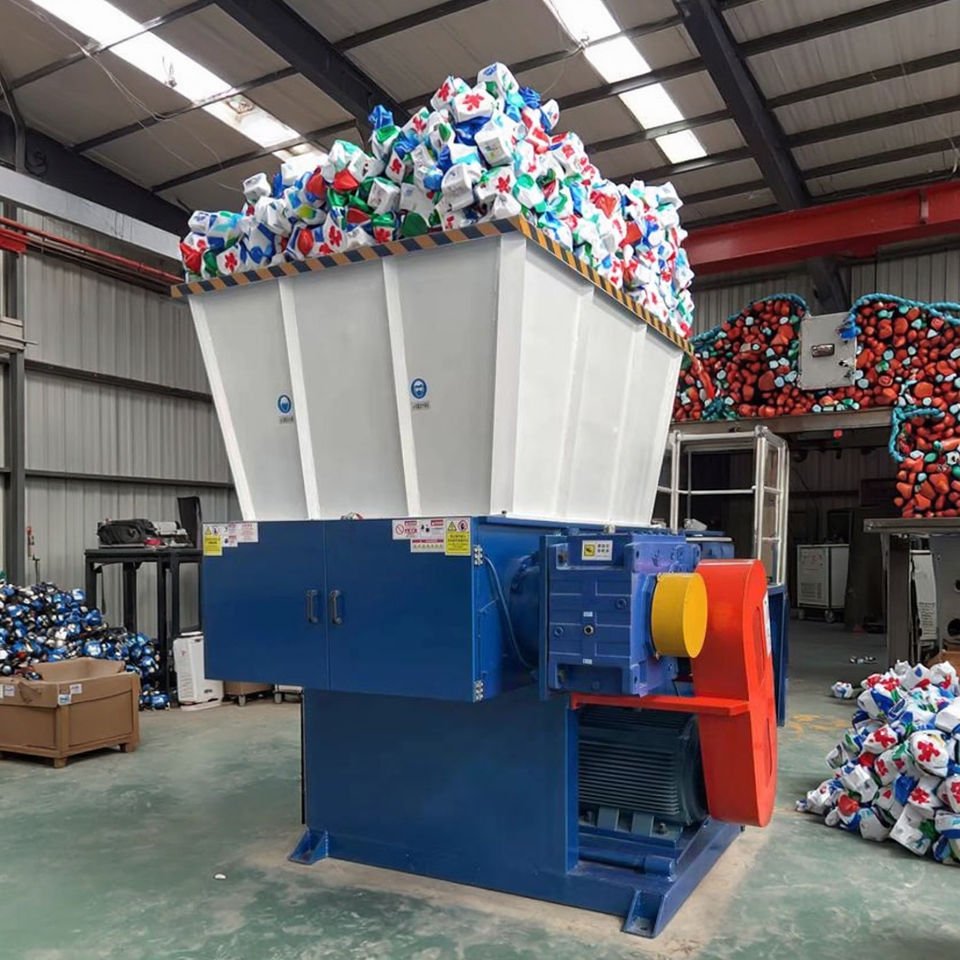
Plastic waste arrives at recycling centers in various forms. Large bottles crowd the feed slot. Rigid containers resist breaking down. Flexible films tangle around machinery. Without proper size reduction, washing systems cannot function effectively.
The shredder solves this fundamental problem. It breaks down oversized plastic materials into uniform particles ready for the next processing stage.
Partner with MAIKONG in the Philippines
Join successful distributors across the Philippine recycling industry. MAIKONG offers profitable partnership opportunities with comprehensive technical support, OEM customization, and proven plastic shredder machine technology.
Understanding How a Shredder Fits Into Plastic Washing Lines
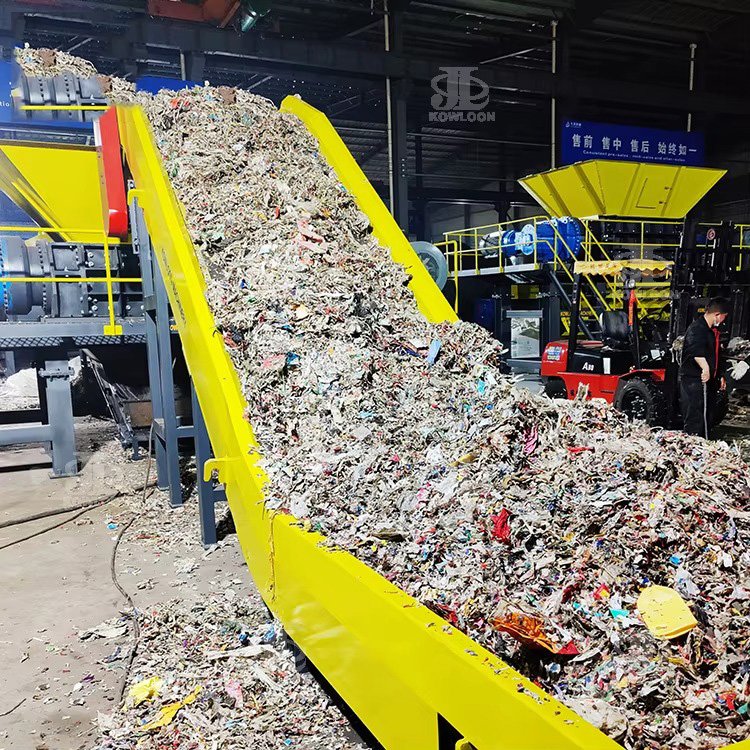
A typical plastic recycling washing line follows a specific sequence. First comes collection and sorting. Workers separate different plastic types. They remove obvious contaminants like metal caps and paper labels.
The plastic shredder operates at the critical entry point. It receives sorted materials and reduces them to consistent particle sizes. This size reduction enables efficient washing in subsequent stages.
Think of the washing line as an assembly operation in reverse. Each station performs a specific function. The shredder creates the foundation for everything that follows.
Primary Processing Functions
- Size reduction of large plastic items to 12-50mm particles
- Volume reduction by 60-75% for efficient bin storage
- Surface area increase for better detergent contact during washing
- Contamination release through mechanical action
- Material homogenization for consistent feed rates
Impact on Downstream Operations
- Washing tanks achieve 40% better cleaning efficiency with uniform particle size
- Friction washers remove 85-90% of surface contaminants from properly shredded material
- Drying systems operate faster with consistent material flow
- Final pelletizing equipment experiences fewer jams and blockages
- Overall line capacity increases by 30-45% with optimal shredding
The shredder determines the washing line’s maximum throughput. An undersized unit creates bottlenecks. An oversized machine wastes power and capital. Proper sizing ensures smooth continuous operation.
Types of Plastic Shredder Machines for Recycling Applications
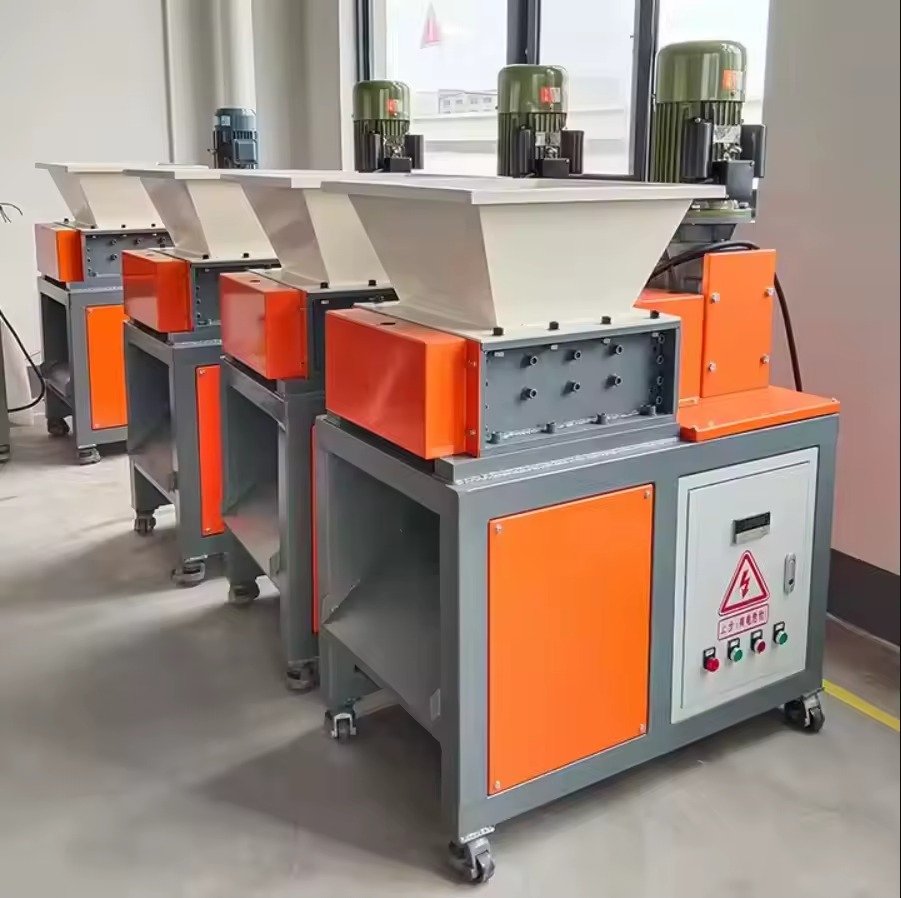
Philippine recycling facilities choose from several shredder configurations. Each type serves specific applications and material characteristics.
Single Shaft Plastic Shredder Systems
Single shaft designs use one rotating cutting rotor working against stationary counter knives. A hydraulic pusher forces material into the cutting chamber. This configuration excels at processing bulky hollow items like large plastic bottles and containers.
The single shaft plastic bottle shredder produces uniform output sizes. An integrated screen controls particle dimensions. Material must pass through the screen before discharge. This ensures consistent sizing critical for washing operations.
- Ideal for rigid plastic bottles, containers, and packaging
- Output particle size: 20-50mm typically
- Processing capacity: 300-2000 kg/hour depending on motor power
- Lower noise levels compared to dual shaft designs
- Higher throughput for lightweight hollow materials
Double Shaft Shredder Configurations
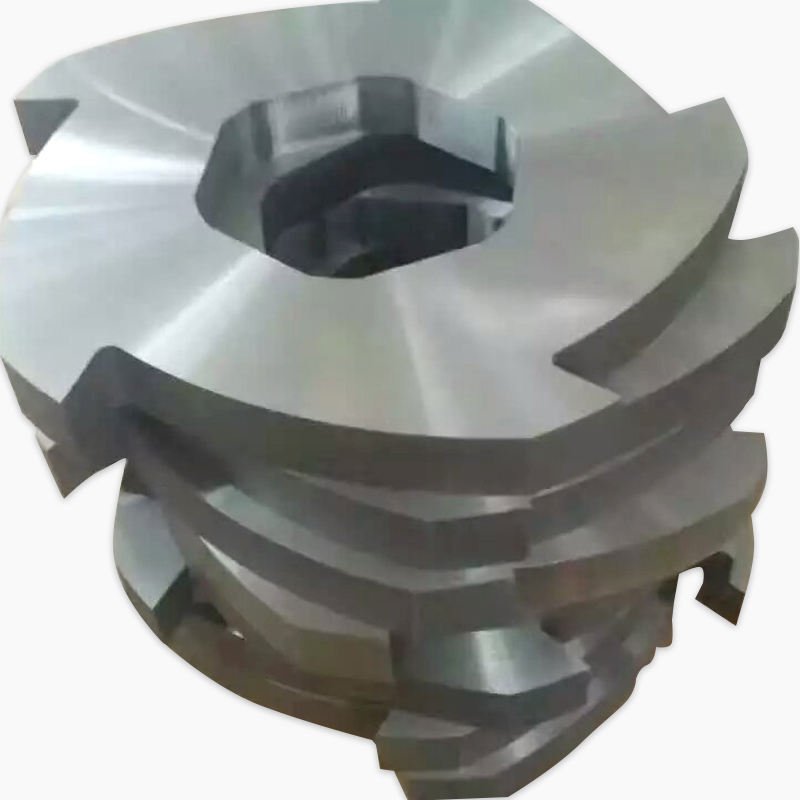
Dual shaft systems employ two counter-rotating rotors with intermeshing cutting blades. Material feeds by gravity or conveyor between the rotors. The scissors-like cutting action handles diverse material types effectively.
This plastic crusher machine design provides versatility. It processes everything from soft films to rigid pipes. The low-speed, high-torque operation reduces noise and dust generation.
- Versatile processing of mixed plastic waste streams
- Handles soft films, rigid plastics, and semi-rigid materials
- Output size: 30-100mm without screen, adjustable with screen addition
- Automatic reverse function protects against bin full or overload conditions
- Processing capacity: 500-3000 kg/hour based on configuration
Plastic Grinder and Granulator Options
Granulators represent a specialized category. They produce smaller, more uniform particles than standard shredders. A fast-rotating flywheel carries cutting blades. Material bounces between rotor blades and stationary bed knives.
The plastic grinder creates particles from 3mm to 15mm. This fine size suits applications requiring minimal washing before pelletizing. Many Philippine bottle recyclers use granulators for PET processing.
| Equipment Type | Output Size | Best Applications | Power Range | Typical Capacity |
| Single Shaft Shredder | 20-50mm | Bottles, containers, rigid packaging | 11-45 kW | 300-2000 kg/hr |
| Double Shaft Shredder | 30-100mm | Mixed waste, films, pipes, profiles | 18.5-132 kW | 500-3000 kg/hr |
| Granulator | 3-15mm | PET bottles, clean rigid plastics | 7.5-75 kW | 200-1500 kg/hr |
| Mini Plastic Shredder | 15-30mm | Small operations, in-plant recycling | 4-15 kW | 50-300 kg/hr |
Material Types and Shredder Selection
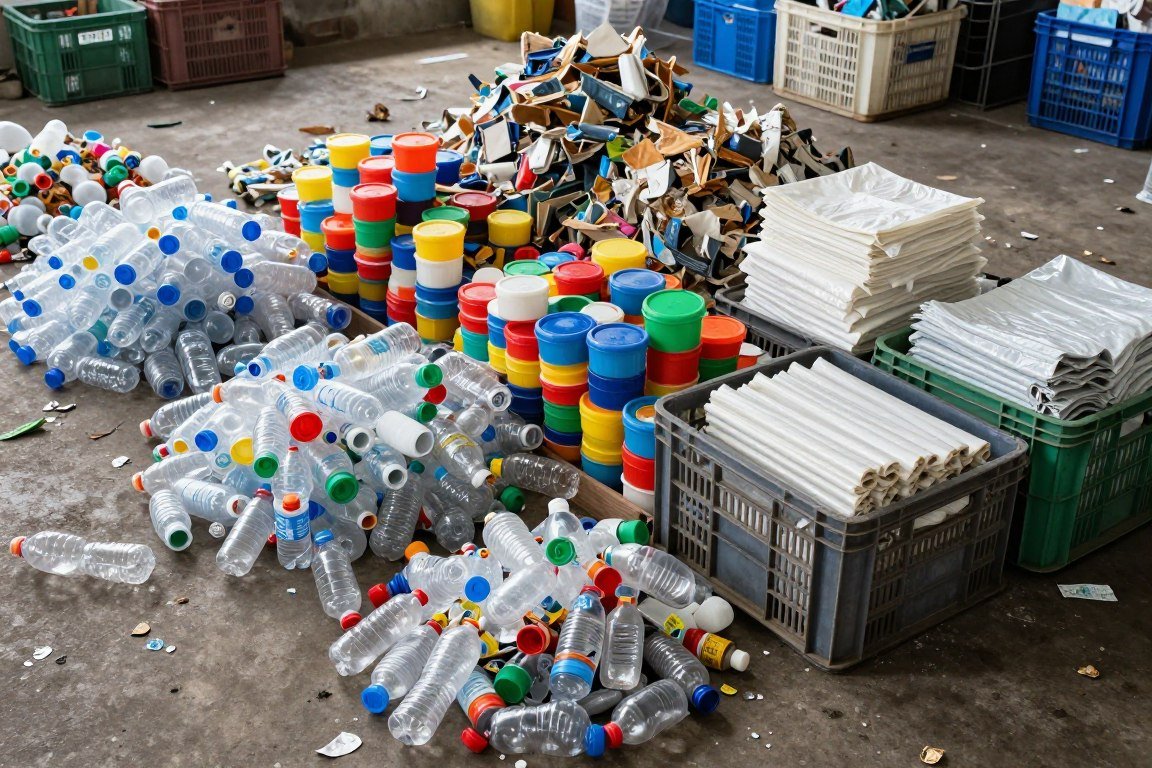
Different plastic types present unique challenges to shredder equipment. Understanding material characteristics guides proper equipment selection.
Processing PET and HDPE Bottles
PET beverage bottles represent a major waste stream in the Philippines. These bottles feature thin walls and high strength. They require sharp cutting edges to prevent material bouncing rather than cutting.
A dedicated plastic bottle shredder uses specialized blade geometry. The blades create a scissoring action. This prevents bottles from pushing away from the cutting zone. An automatic feed system maintains consistent material flow into the slot.
HDPE milk jugs and detergent bottles behave differently. Their thicker walls and softer material cut more easily. However, they can generate heat during processing. Adequate bin ventilation prevents material clumping.
Film and Flexible Materials
Plastic films require specific shredder configurations. Standard designs allow film to wrap around rotors. This stops the machine and requires manual cleaning.
Film-rated shredders incorporate special features. Rotor designs prevent wrapping. Blade patterns create a pulling action. Some systems add heated elements to the bin to reduce static cling.
- Agricultural films like greenhouse covers and mulch
- Packaging films from supermarket and warehouse operations
- Stretch wrap from pallet shipping
- Shopping bags and carrier bags
- Product wrapping and protective packaging
Rigid Plastics and Engineering Materials
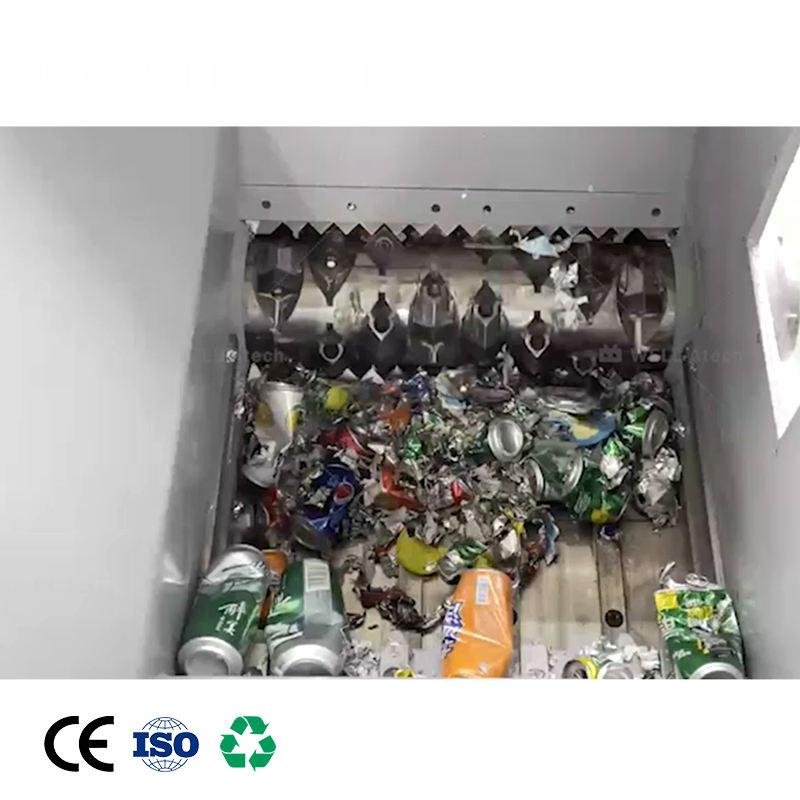
Thick-walled products demand robust industrial plastic shredder construction. Injection molded parts, plastic pallets, and pipe sections resist cutting. They require high torque and durable cutting tools.
Double shaft shredders excel with these materials. The low speed and high torque overcome material resistance. Hardened blade tips withstand the abrasion from glass-filled engineering plastics.
Many Philippine manufacturers generate scrap from production. Automotive parts suppliers discard plastic bumpers and trim. Electronics manufacturers dispose of rejected housings. These facilities benefit from on-site small plastic shredder systems. The equipment processes scrap immediately. This reduces disposal costs and creates revenue from material sales.
Get Your Custom Shredder Quote
MAIKONG engineers analyze your specific materials and capacity requirements. We provide detailed technical specifications and competitive pricing for Philippine operations. Our plastic shredder machine price philippines includes installation support and operator training.
Sizing Your Plastic Shredder Machine Correctly
Proper capacity planning prevents expensive mistakes. An undersized shredder creates production bottlenecks. An oversized unit wastes capital and operating power.
Calculating Required Throughput
Start with your target daily processing volume. A medium-sized Philippine recycling center might process 5,000 kilograms of plastic bottles daily. Operating two 8-hour shifts provides 16 hours of production time.
This requires a minimum shredding rate of 313 kg/hour. However, the shredder should not run at maximum capacity continuously. Plan for 70-75% utilization. This accounts for material variations, maintenance intervals, and operator breaks.
The actual required capacity becomes 420-450 kg/hour. Select equipment rated for 500+ kg/hour to provide operational margin.
Important Sizing Consideration: Different materials process at different rates through the same shredder. Rigid bottles process faster than flexible films. Dense materials feed more efficiently than lightweight foams. Base calculations on your most challenging material type.
Material Density and Bulk Volume
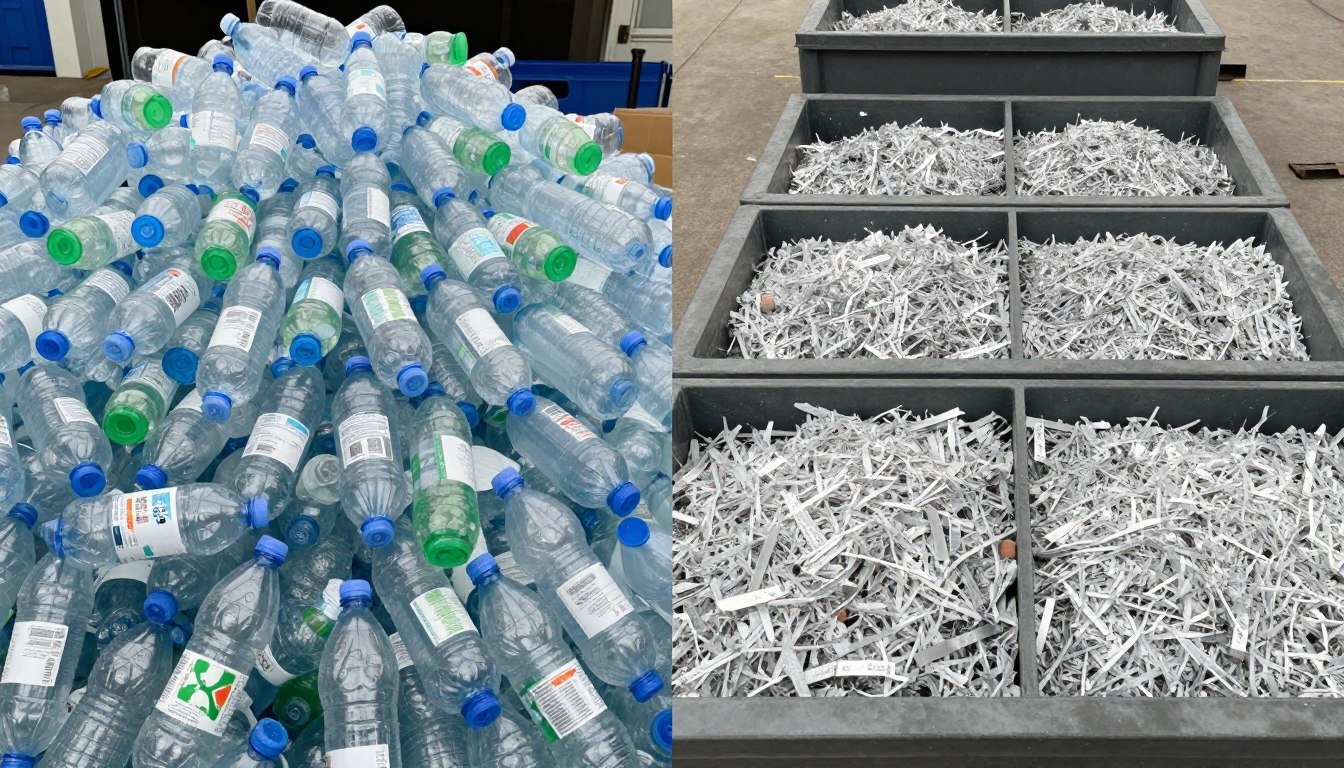
Whole plastic bottles occupy significant space. A cubic meter bin might hold only 30-40 kilograms of loose bottles. After shredding, the same bin contains 180-220 kilograms of material.
This 5-6x volume reduction impacts your entire operation. Storage requirements decrease. Transportation costs drop. Washing equipment processes more material per batch.
The shredder feeding system must accommodate low-density input. Large hopper openings prevent bridging. Some operations add mechanical pre-compaction. The slot width determines maximum input item size.
Power Requirements and Energy Costs
Motor power directly relates to processing capacity and material type. A small plastic shredder processing soft bottles might use 11-15 kW. An industrial plastic shredder handling thick-walled containers requires 37-55 kW or more.
Philippine electricity costs average 9-12 pesos per kilowatt-hour for industrial users. A 37 kW machine operating 8 hours daily consumes roughly 296 kWh. At 10 pesos per kWh, daily power cost reaches 2,960 pesos.
However, energy represents only 15-20% of total operating costs. Labor, maintenance, and blade replacement contribute more significantly. An auto start stop function reduces idle power consumption by 30-40%.
Operational Efficiency Features
- Auto start stop function activates shredder only when material enters feed slot
- Automatic reverse prevents motor damage during bin full conditions
- Variable feed speed optimizes processing of different materials
- Power monitoring displays real-time energy consumption
- Scheduled maintenance alerts maximize blade life
Safety and Protection Systems
- Emergency stop button provides immediate shutdown
- Safety interlock prevents door opening during operation
- Overload protection stops motor before damage occurs
- Bin full sensor triggers automatic reverse function
- Control panel monitors all critical functions
Plastic Shredder Parts: Blade Design and Maintenance
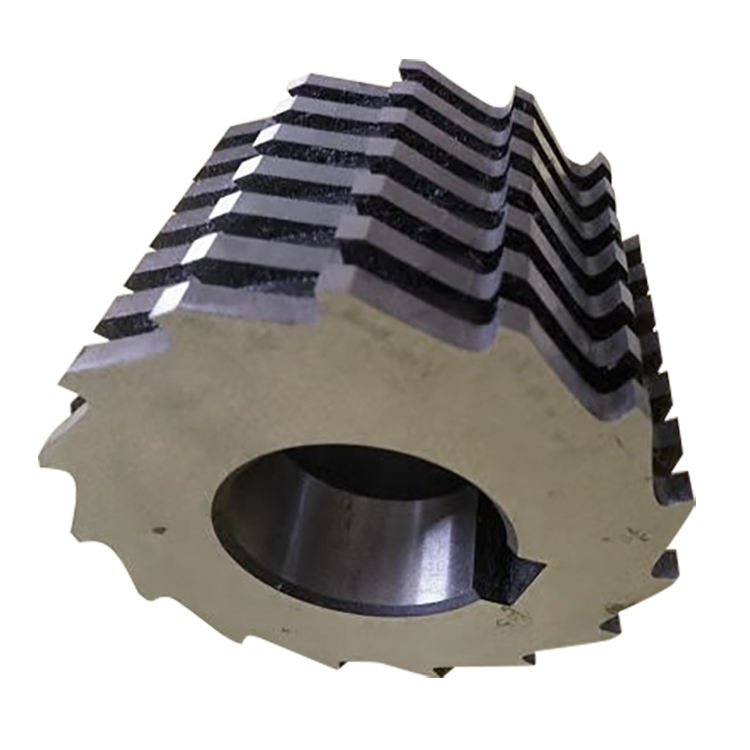
Cutting blades represent the heart of any shredder system. Blade quality determines processing efficiency, maintenance intervals, and operating costs.
Blade Materials and Construction
MAIKONG shredders use special alloy steel blades. The base material provides strength and impact resistance. A hardening process creates a wear-resistant cutting edge.
Different blade configurations suit specific applications. Square blades with four cutting edges offer economy. When one edge dulls, rotate the blade 90 degrees. This quadruples blade life compared to single-edge designs.
Hook-shaped blades excel at grabbing and pulling material. These work well for films and flexible plastics. The hooked design prevents material from pushing away during cutting.
Blade Replacement and Maintenance Schedules
Blade life varies by material processed. Clean plastic bottles might provide 800-1,200 hours of operation. Contaminated materials with dirt or small stones reduce life to 300-500 hours.
MAIKONG designs allow quick blade changes. Individual cutting heads mount to the rotor shaft. A technician can replace worn blades in 30-45 minutes. This minimizes production downtime.
Proper blade maintenance extends equipment life significantly. Regular inspection identifies worn areas before they cause damage. Rotation schedules maximize the use of all cutting edges.
- Weekly visual inspection checks for visible damage or excessive wear
- Monthly blade measurement tracks wear progression
- Quarterly blade rotation or replacement based on measurements
- Annual comprehensive rotor service including bearing inspection
- Immediate replacement after processing contaminated loads
Spare Parts Availability: MAIKONG maintains plastic shredder parts inventory in our Philippine service network. Critical components like blades, bearings, and seals ship within 24-48 hours. This minimizes your downtime and maintains production schedules.
Screen Selection and Particle Size Control
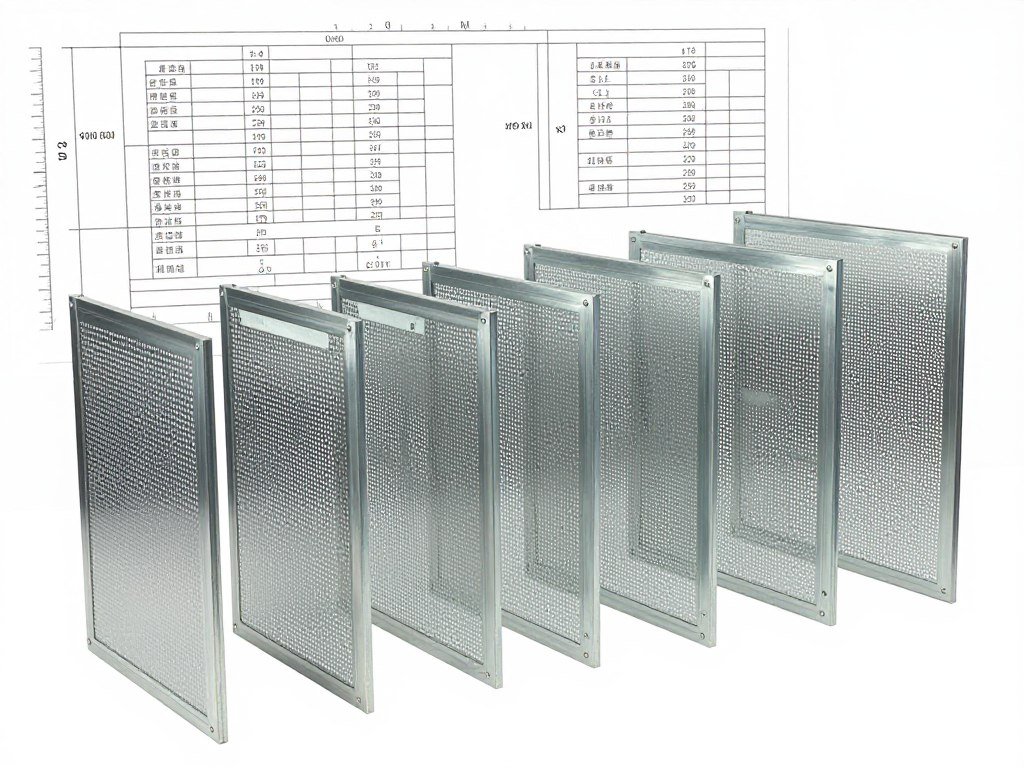
Screens installed below the cutting chamber control output size. Holes in the screen determine maximum particle dimensions. Material must pass through the screen before discharge.
Larger holes (30-50mm) allow faster processing. Smaller holes (10-20mm) create more uniform particles for washing. The trade-off between throughput and size uniformity guides screen selection.
Some operations use dual-stage processing. The first shredder performs rough size reduction without a screen. Maximum throughput processes large volumes quickly. A second plastic grinder creates final particle size for washing.
Integrating the Shredder Into Complete Washing Lines
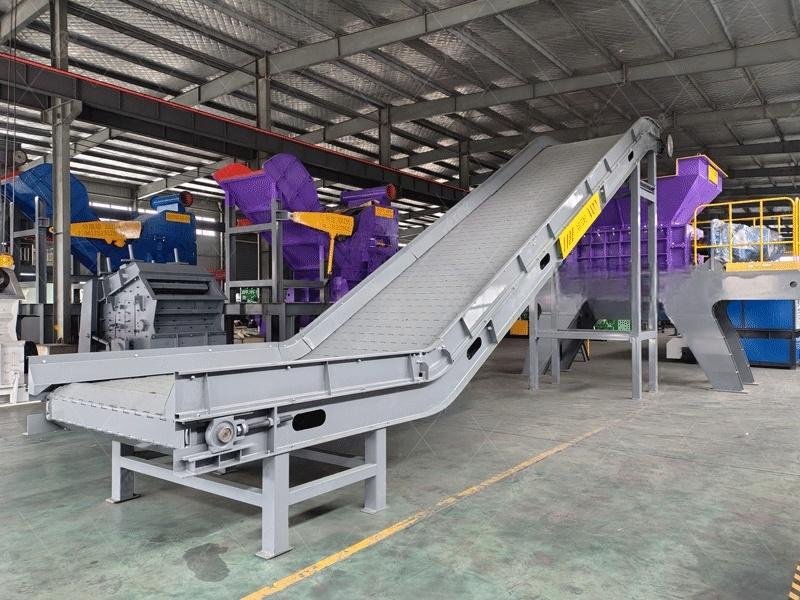
The shredder rarely operates alone. It forms part of an integrated washing and recycling system. Understanding upstream and downstream connections ensures optimal performance.
Material Feed Systems
Consistent material flow into the shredder feed slot maximizes throughput. Manual feeding requires constant operator attention. Automated systems improve efficiency.
Belt conveyors transport sorted materials from the picking line. The conveyor deposits material directly into the shredder hopper. An optical sensor monitors material level. The auto start stop function activates the shredder when material reaches the feed zone.
Some facilities use forklift-loaded hoppers. A large bin accepts bulk material delivery. A vibrating feeder or screw conveyor meters material to the shredder at a controlled rate. This prevents overfeeding and ensures consistent particle size.
Post-Shredding Conveyance
Shredded material must move efficiently to washing equipment. Several systems accomplish this transfer.
Pneumatic conveyance uses air flow to transport particles. A blower creates suction at the shredder discharge. Material travels through pipes to a cyclone separator. The cyclone deposits material into the washer feed bin. Dust and fines separate for disposal or separate processing.
Mechanical conveyors offer an alternative. Belt conveyors carry shredded material at controlled rates. Screw conveyors work well for higher moisture content materials. The choice depends on distance, elevation change, and material characteristics.
Washing and Separation Equipment
After shredding, plastic particles enter the washing circuit. Initial tanks remove heavy contamination. Dirt, sand, and organic matter sink or float for removal.
Friction washers provide intensive cleaning. High-speed paddles agitate material against perforated screens. This mechanical action removes labels, adhesives, and surface contamination.
Float-sink tanks separate plastics by density. PET sinks in water while PE and PP float. This enables processing of mixed materials.
The uniform particle size from proper shredding enables efficient washing. Oversized pieces trap contaminants. Undersized fines pass through screens and contaminate clean material. Consistent sizing from a quality shredder prevents these issues.
Complete Washing Line Solutions
MAIKONG provides integrated recycling systems beyond individual shredders. Our engineers design complete washing lines matched to your materials and capacity. We handle installation, training, and ongoing technical support for Philippine facilities.
Why Philippine Recyclers Choose MAIKONG Plastic Shredder Machines
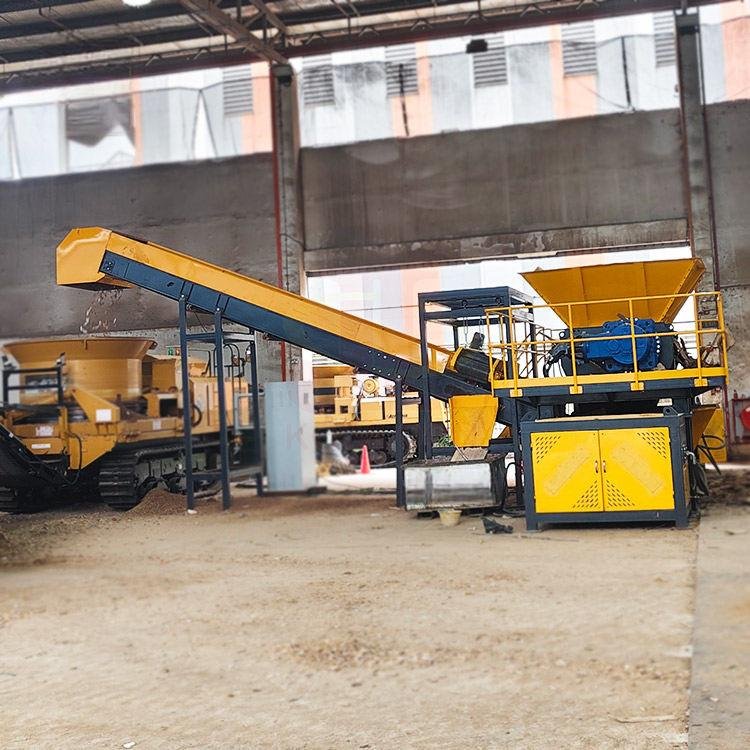
MAIKONG brings over 15 years of experience to the Philippine plastic recycling market. Our equipment operates in facilities throughout Metro Manila, Cebu, Davao, and other major cities.
Performance and Reliability
Our industrial plastic shredder systems use premium components. Siemens and ABB motors provide reliable power. Schneider electrical components ensure precise control. PLC systems monitor operations and provide automatic protection.
The robust construction handles demanding Philippine conditions. High humidity and temperature variations do not affect performance. Sealed bearings prevent contamination. Corrosion-resistant finishes protect against coastal environments.
Many MAIKONG installations run 16-20 hours daily with minimal downtime. Preventive maintenance takes only 2-3 hours monthly. This reliability translates directly to higher productivity and lower operating costs.
Local Support and Service
MAIKONG maintains a service presence in the Philippines. Our technical team provides installation support and operator training. Training covers proper operation, routine maintenance, and troubleshooting.
We stock critical plastic shredder parts locally. Blades, screens, and wearing components ship within 24-48 hours. This minimizes downtime compared to waiting for international shipments.
Remote support handles many issues immediately. Our team connects via video call to diagnose problems. Often, operators resolve issues without waiting for a technician visit.
Customization and OEM Services
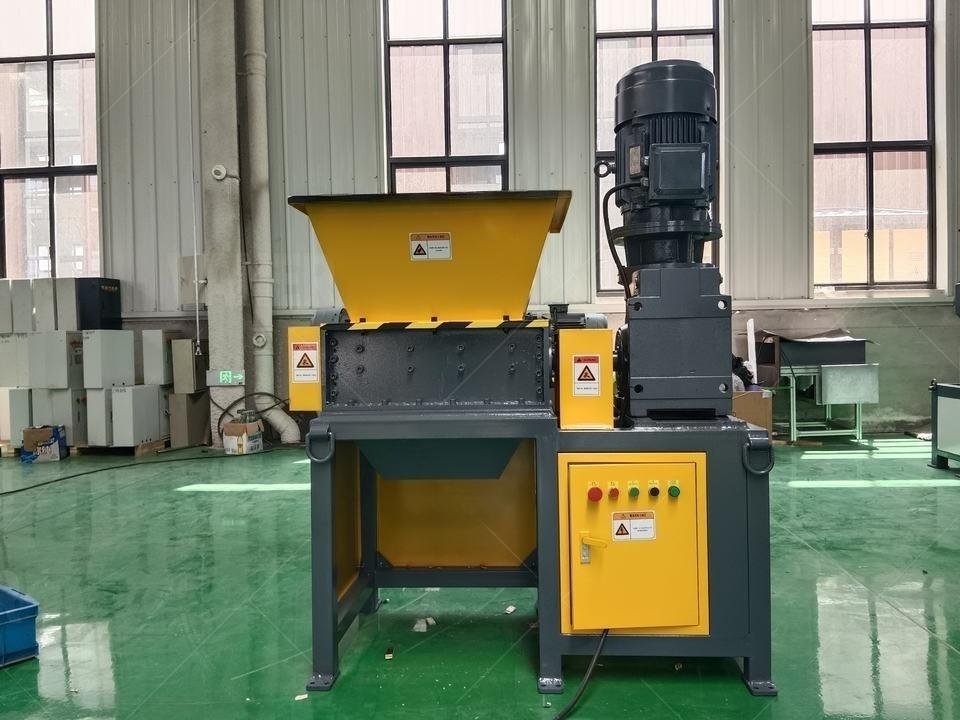
Every recycling operation has unique requirements. MAIKONG offers extensive customization. We modify hopper sizes for specific material types. Control systems adapt to integrate with existing equipment. Color schemes match your facility design.
OEM and ODM services serve Philippine distributors and recycling companies. Your brand appears on equipment. Custom specifications meet local market needs. This supports your business growth and market differentiation.
For distributors, we provide marketing support and technical training. Your sales team receives detailed product knowledge. Technical staff learn installation and service procedures. This enables you to support your customers effectively.
Technical Excellence
- Proven plastic shredder design with 15+ years development
- Quality motors from Siemens, ABB, and WEG
- Automatic reverse and overload protection
- Low noise operation under 85 dB
Business Benefits
- Competitive plastic shredder machine price philippines market rates
- Flexible payment terms for qualified buyers
- Profitable margins for distributors
- Fast ROI through reduced disposal costs
Support Services
- Installation and commissioning included
- Comprehensive operator training program
- Local plastic shredder parts inventory
- Multilingual technical support team
MAIKONG Shredder Product Range for Philippine Applications
MAIKONG offers a comprehensive range of shredding equipment. Each model serves specific capacity and material requirements.
Mini Plastic Shredder Machine for Small Operations
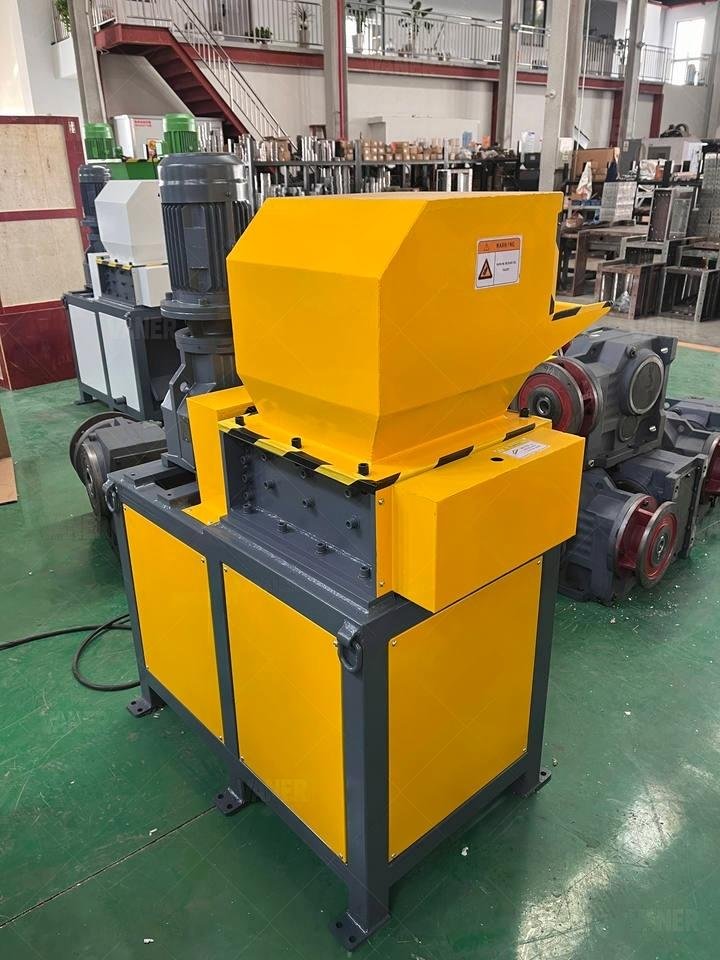
Our mini plastic shredder machine suits small recycling operations and in-plant scrap processing. Manufacturing facilities use these units to recycle production waste immediately.
The compact design fits into limited floor space. Power requirements range from 4-15 kW. Processing capacity reaches 50-300 kg/hour depending on material type.
These units work well for bottle recycling cooperatives and small collection centers. The lower investment cost enables quick profitability. Simple operation requires minimal training.
Small Plastic Shredder for Medium Facilities
The small plastic shredder category serves mid-sized operations. These machines process 300-800 kg/hour. Motor power ranges from 15-30 kW.
Many supermarket waste management centers use this size. The equipment handles the daily accumulation of packaging waste. Automatic features reduce labor requirements.
Industrial Plastic Shredder for High-Volume Processing
Large recycling facilities require industrial plastic shredder capacity. These robust machines process 1,000-3,000+ kg/hour. Motor power reaches 45-132 kW for the most demanding applications.
Municipal contractors and large commercial recyclers depend on this equipment. The heavy-duty construction handles continuous operation. Advanced control systems optimize performance and minimize downtime.
Specialized Plastic Bottle Shredder Systems
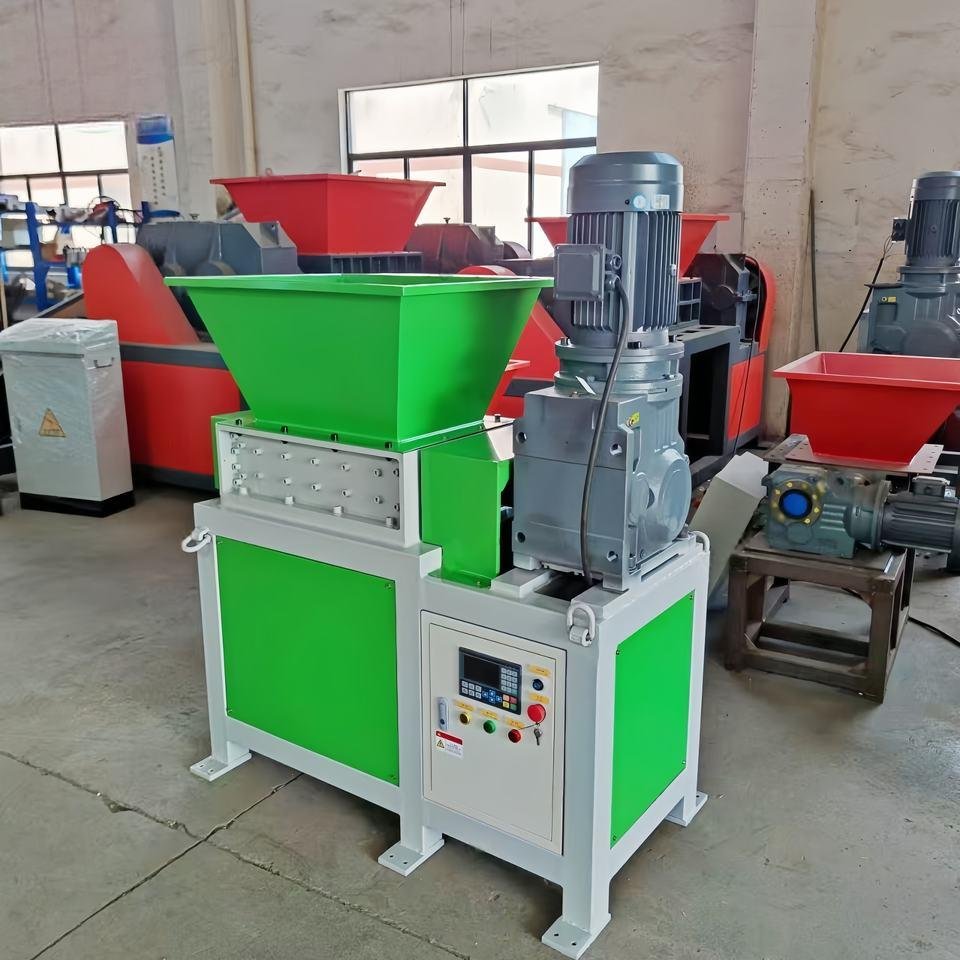
Dedicated plastic bottle shredder configurations optimize PET and HDPE bottle processing. Special rotor designs prevent bottle bouncing. Enhanced feed systems handle low-density material efficiently.
These machines produce uniform 12-20mm particles ideal for washing. The consistent size enables efficient label separation and contamination removal. Many Philippine bottle recyclers achieve 95%+ clean flake recovery.
| Model Category | Capacity Range | Motor Power | Best For | Typical Users |
| Mini Shredder | 50-300 kg/hr | 4-15 kW | In-plant scrap, small recyclers | Manufacturers, cooperatives |
| Small Shredder | 300-800 kg/hr | 15-30 kW | Medium recycling operations | Supermarkets, waste centers |
| Industrial Shredder | 1000-3000 kg/hr | 45-132 kW | High-volume processing | Municipal contractors, large plants |
| Bottle Shredder | 500-2000 kg/hr | 22-75 kW | PET/HDPE bottle recycling | Bottle recyclers, beverage companies |
Return on Investment: Shredder Economics for Philippine Recyclers
Investing in quality shredding equipment generates multiple revenue streams and cost savings. Understanding the financial benefits helps justify equipment purchases.
Direct Material Value Increase
Whole plastic bottles sell for 8-12 pesos per kilogram in the Philippine market. Clean shredded plastic brings 18-25 pesos per kilogram. Washed flakes command 35-45 pesos per kilogram.
A shredder enables this value increase. Processing 1,000 kilograms of bottles daily adds 10,000-13,000 pesos in daily revenue compared to selling whole bottles. Monthly additional revenue reaches 300,000-390,000 pesos.
The equipment investment typically pays back in 8-14 months from material value increase alone. Additional savings from reduced transportation and storage costs accelerate payback.
Operational Cost Savings
Volume reduction from shredding cuts transportation costs dramatically. A truck hauling whole bottles carries 800-1,000 kilograms. The same truck holds 4,500-5,500 kilograms of shredded material.
Facilities processing 20 tons monthly save 15-18 truck trips. At 8,000-12,000 pesos per trip, monthly savings reach 120,000-216,000 pesos. These savings alone can justify shredder investment.
Storage costs decrease similarly. Shredded material occupies 15-20% of whole bottle volume. Warehouse space requirements drop by 80-85%. For facilities paying rent, this creates significant monthly savings.
Partnership and Distributor Opportunities
MAIKONG actively seeks Philippine distributors and business partners. The recycling equipment market continues expanding. Government initiatives promote proper waste management. This creates growing demand for quality shredders.
Distributors enjoy several advantages. Exclusive territory protection prevents competition between partners. Marketing support provides sales tools and technical materials. Training programs develop your technical team’s capabilities.
Equipment margins range from 25-40% depending on model and customization level. Service and parts sales provide ongoing revenue. Many distributors develop profitable businesses serving their local recycling industry.
Start Your Profitable Recycling Business
Join the growing Philippine recycling industry with MAIKONG equipment and support. Whether you need a single shredder for your operation or want to become a distributor serving your region, we provide the tools and knowledge for success.
Common Questions About Plastic Shredder Machines
What size shredder do I need for processing 2 tons of plastic bottles daily?
For 2,000 kg daily capacity, calculate your operating hours. Running one 8-hour shift requires minimum 250 kg/hour capacity. We recommend a 350-500 kg/hour rated machine to provide operational margin. This allows for material variations and prevents running at maximum capacity continuously. A MAIKONG Model 800 double shaft shredder with 22-37 kW motor serves this application well.
How often do shredder blades need replacement?
Blade life depends on material processed. Clean plastic bottles provide 800-1,200 operating hours. Contaminated materials reduce life to 300-500 hours. MAIKONG blades feature four cutting edges. Rotate blades quarterly to use all edges. Complete replacement typically occurs every 12-18 months with proper rotation and maintenance. We stock all plastic shredder parts locally for quick delivery.
Can one shredder process different plastic types?
Yes, double shaft shredders handle mixed plastic streams effectively. They process rigid bottles, flexible films, and semi-rigid containers. However, best results come from processing similar materials together. Change screens between materials requiring different output sizes. Our PLC control system stores settings for different materials. The auto start stop function and automatic reverse features protect equipment regardless of material type.
What is the typical plastic shredder machine price philippines market range?
Prices vary by capacity and features. A mini plastic shredder machine (50-300 kg/hr) ranges from 180,000-450,000 pesos. Mid-size units (300-800 kg/hr) cost 450,000-950,000 pesos. Industrial plastic shredder systems (1,000+ kg/hr) range from 1,200,000-3,500,000 pesos. Contact MAIKONG for exact quotes based on your specifications. We offer flexible payment terms for qualified buyers.
Does MAIKONG provide installation and training in the Philippines?
Yes, complete installation support is included. Our technicians supervise equipment placement and connection. We provide comprehensive operator training covering machine operation, safety procedures, routine maintenance, and basic troubleshooting. Training lasts 2-3 days depending on equipment complexity. Follow-up support continues via phone, email, and video consultation. Our Philippine service network ensures fast response for any issues.
How does the automatic reverse function protect the shredder?
The automatic reverse feature prevents damage from overloading or bin full conditions. When material jams or excessive force is detected, the PLC control system immediately reverses rotor direction. This clears the jam without operator intervention. After clearing, normal operation resumes. This protects motor, blades, and drive components from damage. The function operates automatically but can also be triggered manually via the control panel.
Making the Right Shredder Choice for Your Philippine Operation
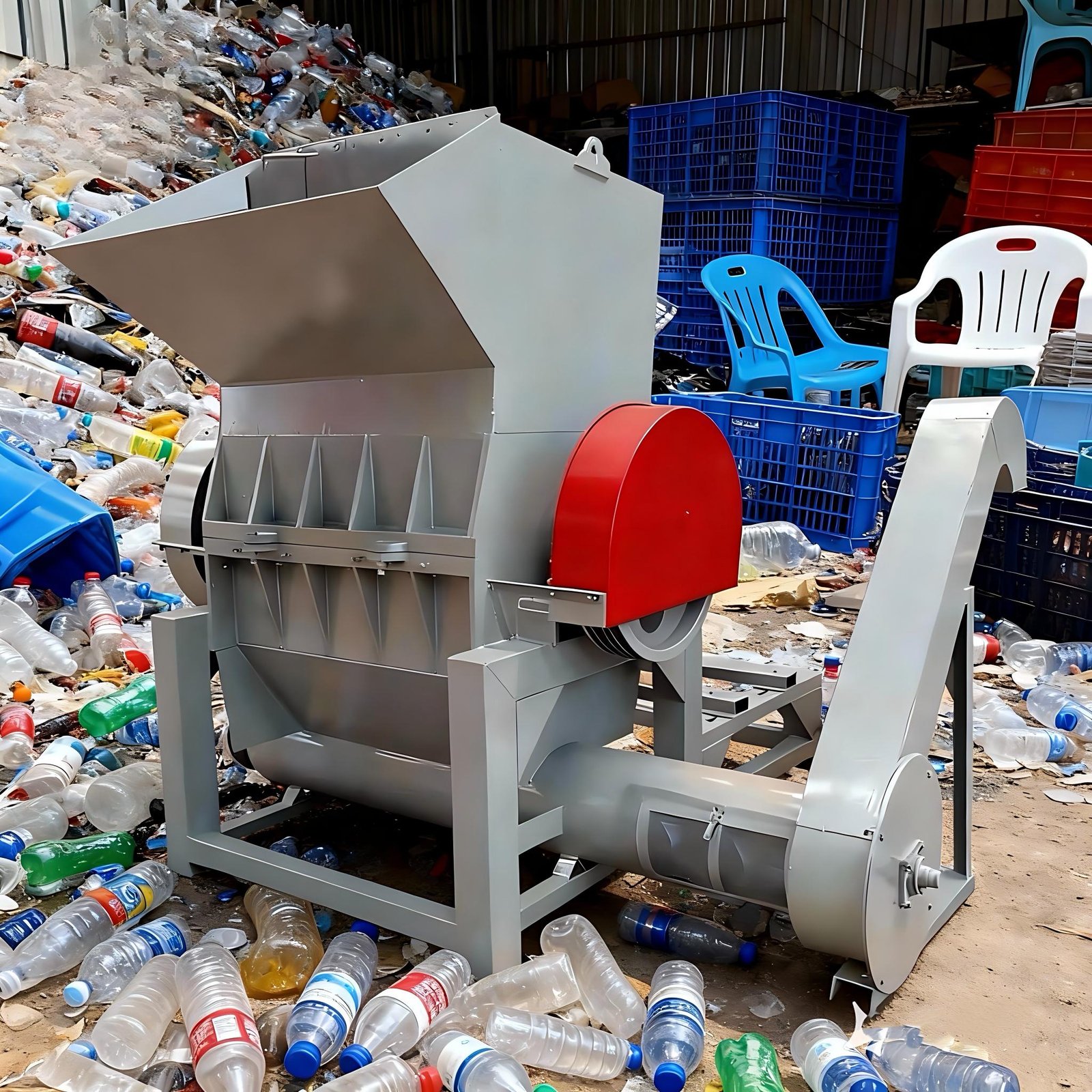
The shredder represents a critical investment in plastic recycling operations. This equipment determines processing capacity, material quality, and operational efficiency. Choosing the right system sets the foundation for business success.
Philippine recyclers face specific challenges. High humidity affects equipment durability. Mixed waste streams require versatile processing. Growing competition demands efficient operations. MAIKONG addresses these challenges with proven technology and local support.
Our plastic shredder machine range serves operations from small cooperatives to large municipal contractors. Each system incorporates quality components, advanced control features, and protective functions. The result is reliable performance that supports your business growth.
Whether you process PET bottles, HDPE containers, or mixed plastic waste, proper shredding improves your results. Material value increases. Processing costs decrease. Your competitive position strengthens.
MAIKONG brings 15 years of development and refinement to the Philippine market. Our equipment operates successfully across Southeast Asia. Local support ensures you receive the service and parts needed for continuous operation.
For distributors and business partners, we offer profitable opportunities in the expanding recycling sector. Exclusive territories, technical training, and marketing support help build your business. The growing environmental focus creates increasing demand for quality equipment.
Connect with MAIKONG Philippines Today
Take the next step toward improving your plastic recycling operation. Our team provides detailed technical consultation, custom equipment quotes, and partnership information. Contact us through your preferred channel.
Online Resources
MAIKONG – Your trusted partner for plastic shredder machine solutions in the Philippines. Quality equipment, local support, profitable partnerships.