The right shredding equipment transforms this problem into an opportunity. Modern shredder machines reduce waste volume by up to 80 percent. They turn disposal costs into potential revenue streams through material recycling.
This comprehensive guide explores how industrial shredders work specifically for Philippine logistics operations. You will discover which plastic shredder types match your facility needs, how to calculate return on investment, and what makes MAIKONG the trusted partner for warehousing centers across Asia.
Quick Questions About Shredding Equipment?
Our Philippines-based team responds within hours. Get expert advice on selecting the right shredder for your facility.
Understanding Shredding Equipment for Modern Warehouses
Warehousing operations generate diverse waste streams daily. Understanding how shredding equipment processes these materials helps you make informed purchasing decisions. The technology behind industrial shredders has evolved significantly over the past decade.
A shredder machine uses rotating blades or cutters to tear materials into smaller pieces. The size reduction happens through mechanical force applied to waste items. Different blade configurations handle various material types effectively.
How Industrial Shredder Systems Operate
The shredding process begins when materials enter the feed hopper. Gravity or a pusher mechanism moves items toward the cutting chamber. Rotating shafts with mounted blades grab and pull materials downward.
Blade teeth interlock as shafts counter-rotate, creating shearing force. This force tears materials apart into smaller fragments. Screen size below the cutting chamber controls final particle dimensions. Motors provide the torque needed to overcome material resistance.
Single-Shaft Shredder Operation
Single-shaft designs use one main rotor with cutting blades. A stationary bed knife works against the rotor blades. Materials get pulled between rotor and bed knife, producing uniform particle sizes.
These machines excel at processing plastics, paper, and cardboard. The hydraulic pusher feeds materials consistently into the cutting zone. Output particle size remains predictable and controlled.
Dual-Shaft Shredder Operation
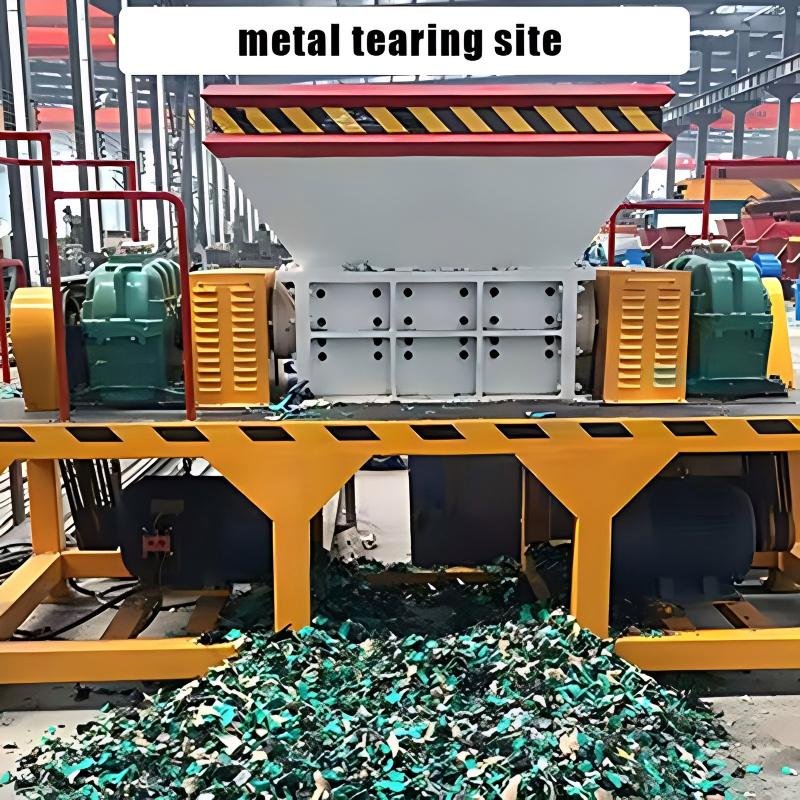
Dual-shaft systems feature two counter-rotating shafts. Both shafts carry cutting blades that intermesh during rotation. Materials get caught between opposing blade sets and torn apart.
This design handles tougher materials like metal, tires, and mixed waste. Lower rotational speeds reduce noise and dust generation. The robust construction ensures long service life even with challenging materials.
Key Components of Shredding Equipment
- Cutting Chamber: The heart of any shredder where size reduction occurs through blade action
- Rotor Shafts: Heavy-duty steel shafts that carry the cutting blades and provide rotational force
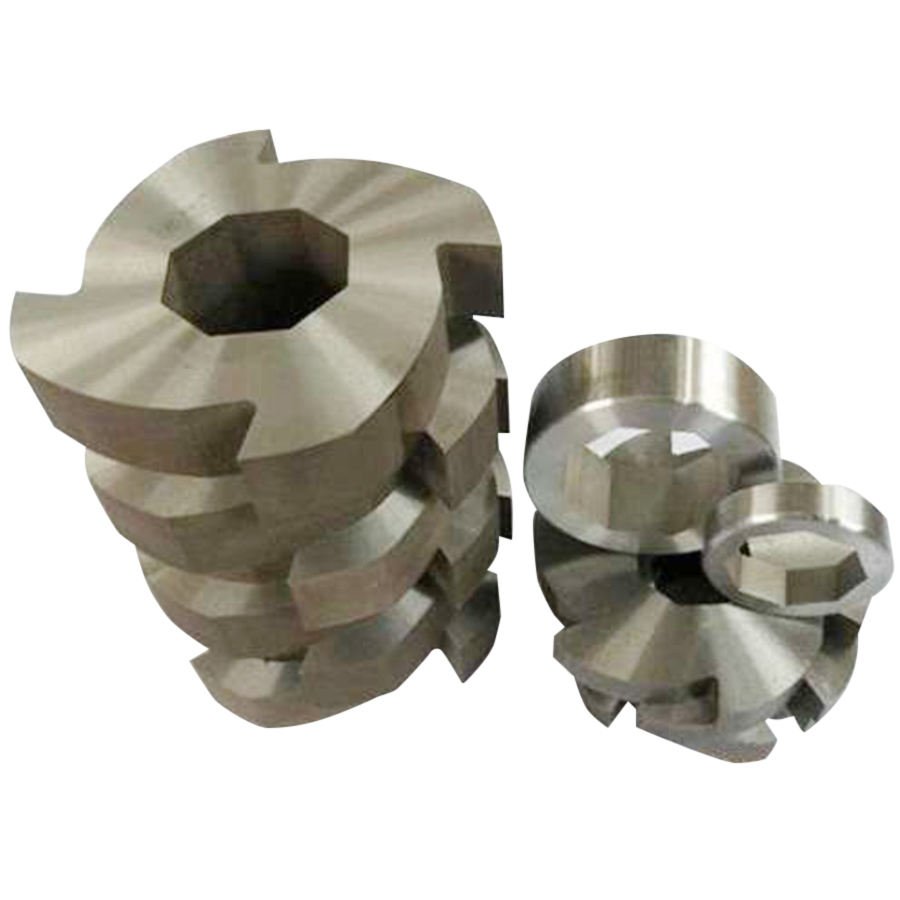
- Shredder Blades: Hardened steel cutting elements designed for specific material types and applications
- Drive System: Electric motors, gearboxes, and hydraulic systems that power shaft rotation
- Feed Hopper: Entry point where waste materials are loaded into the machine
- Screen System: Controls output particle size by allowing only appropriately sized pieces to exit
- Control Panel: Electronic interface for operating parameters, safety systems, and performance monitoring
Types of Shredders for Logistics Operations
Different warehousing operations require specific shredder configurations. Choosing the correct type ensures optimal performance and return on investment. Philippine logistics centers typically use four main categories of shredding equipment.
Plastic Shredder Systems
Plastic waste dominates most logistics facility waste streams. Packaging materials, stretch wrap, strapping, and damaged products create ongoing disposal challenges. A dedicated plastic shredder machine addresses these specific needs efficiently.
The plastic shredder design focuses on handling various polymer types. HDPE, LDPE, PVC, PP, and PET materials all process effectively through properly configured systems. Blade geometry and shaft speed optimize for plastic characteristics.
Industrial Plastic Shredder
Heavy-duty systems designed for continuous operation in high-volume facilities. These industrial shredders process 500 to 3000 kilograms of plastic waste per hour.
- Dual-shaft design for mixed plastic waste streams
- Automated feeding systems reduce labor requirements
- Particle size from 20mm to 100mm adjustable
- Dust extraction systems maintain clean operations
Plastic Bottle Shredder
Specialized equipment for beverage and container recycling operations. The plastic bottle shredder handles PET and HDPE bottles with labels and caps attached.
- Single-shaft design produces uniform flake output
- Screen sizes from 12mm to 30mm available
- Processing capacity from 200 to 1500 kg/hour
- Low moisture retention in shredded output
Small Plastic Shredder
Compact units suitable for smaller logistics centers and specialized applications. These machines fit into limited floor space while maintaining processing efficiency.
- Footprint under 2 square meters
- Processing rates from 50 to 300 kg/hour
- Single-phase or three-phase power options
- Mobile configurations available with casters
Plastic Grinder and Plastic Crusher Machine Options
Some applications require finer particle sizes than standard shredders produce. A plastic grinder creates granules suitable for direct reprocessing or sale to recyclers. The grinding process generates more uniform particle dimensions.
The plastic crusher machine operates at higher speeds with different blade configurations. Materials get reduced to 3mm to 12mm particles in a single pass. Noise levels run higher than standard shredders but throughput increases substantially.
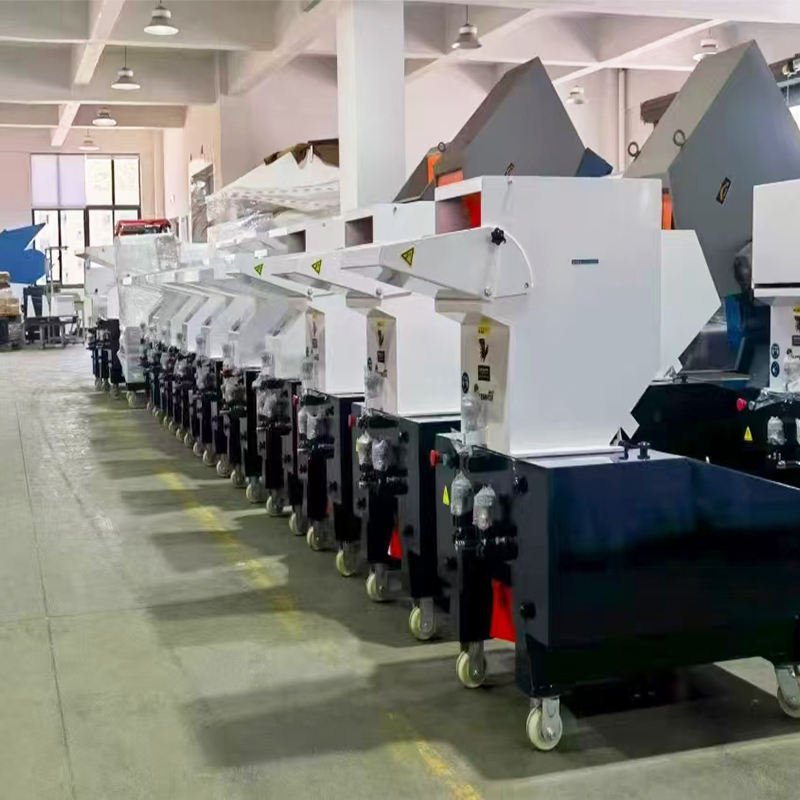
Tire Shredders for Mixed Waste Streams
Logistics operations handling automotive products generate tire waste regularly. Standard plastic shredders lack the power to process rubber tires effectively. Dedicated tire shredders use reinforced construction and higher torque motors.
These specialized machines handle steel-belted radials, sidewalls, and whole tires. Initial shredding reduces whole tires to 50mm to 200mm chips. Secondary processing can further reduce particle dimensions for recycling applications.
Applications and Materials Processing Capabilities
Understanding which materials your facility generates guides equipment selection. MAIKONG shredding equipment handles an extensive range of logistics waste streams. Each material type presents unique processing considerations.
Plastic Materials Processing
| Material Type | Common Sources | Recommended Shredder | Output Size |
| HDPE (#2) | Bottles, containers, bins, pallets, drums | Industrial plastic shredder | 20-50mm |
| LDPE (#4) | Stretch film, bags, liners, bubble wrap | Small plastic shredder | 30-80mm |
| PET (#1) | Beverage bottles, food containers, strapping | Plastic bottle shredder | 12-25mm |
| PP (#5) | Crates, containers, caps, automotive parts | Plastic crusher machine | 15-40mm |
| PVC (#3) | Pipes, fittings, window profiles, signage | Industrial plastic shredder | 25-60mm |
Paper and Cardboard Processing
Corrugated cardboard boxes comprise significant portions of warehouse waste. Standard baling often proves inefficient for contaminated or mixed cardboard waste. Shredding reduces volume more effectively while preparing material for recycling.
Paper documents requiring secure disposal also benefit from shredding technology. Many logistics facilities handle confidential shipping documents and customer information. On-site shredding ensures regulatory compliance with data protection requirements.
- Corrugated cardboard reduces to 50mm strips for efficient baling
- Mixed paper waste processes into 30mm particles
- Confidential documents shred to cross-cut 6mm x 40mm pieces
- Wet or contaminated cardboard handles effectively unlike traditional balers
Wood and Pallet Waste
Damaged wooden pallets create disposal challenges for warehousing centers. Traditional disposal methods incur high costs and environmental impact. Shredding broken pallets produces wood chips valuable for energy or mulch production.
The robust construction of industrial shredders handles wood containing metal fasteners safely. Nails and staples pass through the cutting chamber without damaging blades. Magnetic separation systems remove metal fragments from shredded output.
Advantages of On-Site Shredding Equipment
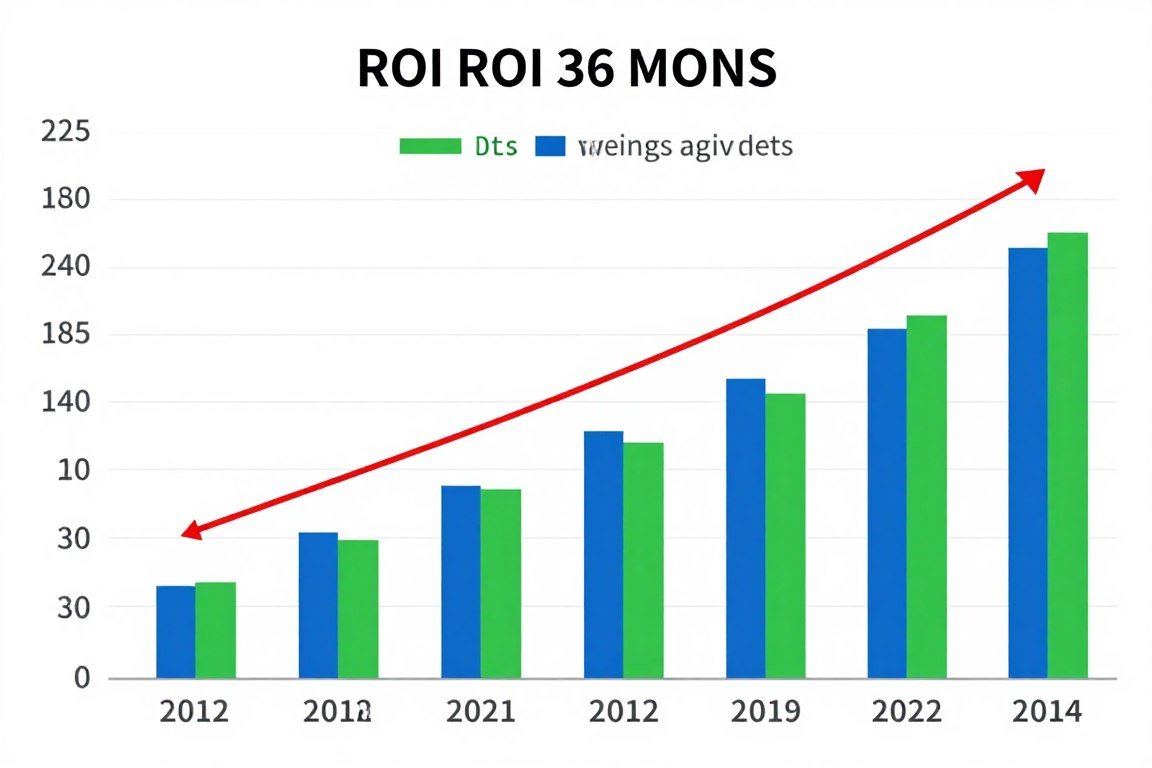
Installing shredding equipment at your facility generates multiple operational and financial benefits. The return on investment typically realizes within 18 to 36 months for medium to large operations. Understanding these advantages helps justify capital equipment purchases.
Waste Volume Reduction
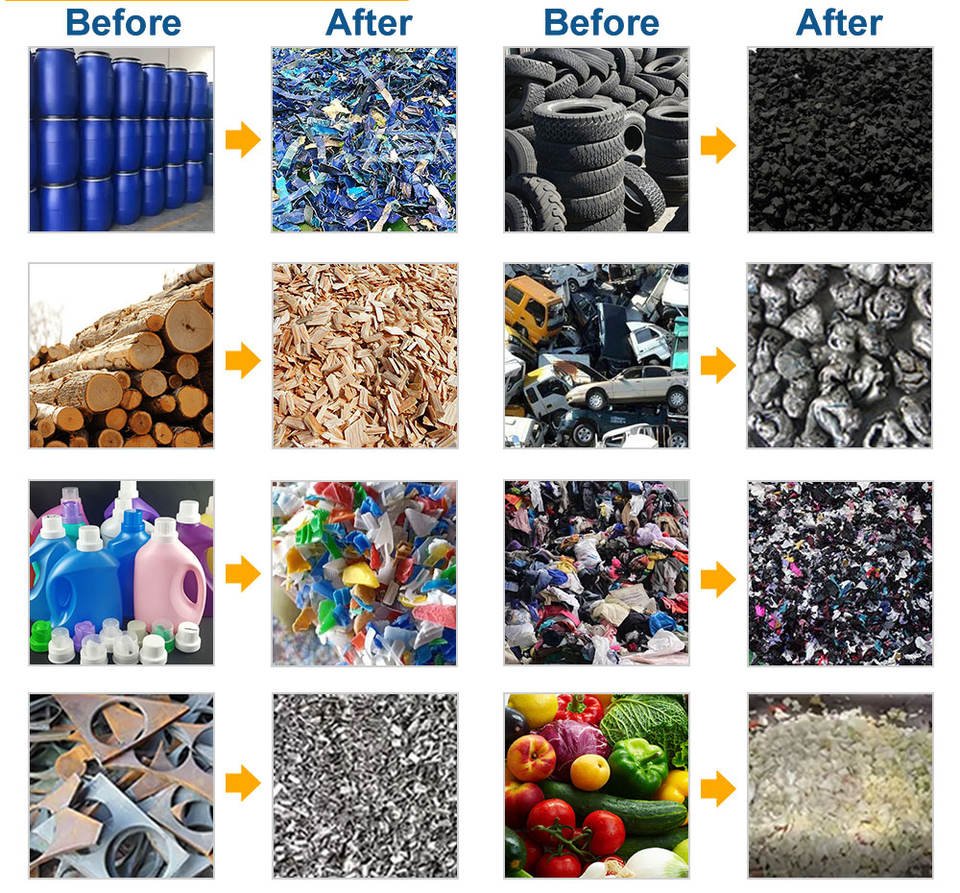
The primary benefit comes from dramatic waste volume reduction. Unprocessed waste occupies valuable floor space and requires frequent collection. Shredding compacts materials to 15 to 25 percent of original volume.
A facility generating 10 cubic meters of plastic waste daily reduces this to 2 cubic meters after shredding. Container rental costs decrease proportionally. Collection frequency drops from daily to weekly in many cases.
Before Shredding Implementation
- Multiple large waste containers occupy dock space
- Daily or twice-daily waste collection schedules
- High transportation costs for low-density materials
- Limited value recovery from waste materials
- Safety hazards from overflowing containers
After Installing Shredders
- Compact storage of processed materials
- Weekly collection sufficient for same waste volume
- Reduced hauling costs due to higher density
- Ability to sell processed materials to recyclers
- Cleaner, safer warehouse environment
Cost Savings and Revenue Generation
Direct cost savings come from reduced disposal fees and container rentals. Philippine waste haulers charge based on container size and collection frequency. Reducing both factors significantly lowers monthly expenses.
Processed materials gain market value that raw waste lacks. Shredded HDPE sells for ₱8 to ₱15 per kilogram to local recyclers. Baled cardboard brings ₱3 to ₱6 per kilogram. These revenues offset equipment costs over time.
Example Cost Savings Calculation
A medium-sized logistics center generating 500kg plastic waste daily:
- Current disposal cost: ₱180,000 monthly (₱12 per kg)
- Collection and container rental: ₱45,000 monthly
- Total monthly waste expense: ₱225,000
- After shredding – disposal cost: ₱0 (material sold)
- Revenue from shredded plastic: ₱150,000 monthly (₱10 per kg)
- Reduced collection costs: ₱15,000 monthly
- Net monthly benefit: ₱360,000
- Annual savings: ₱4,320,000
Environmental and Regulatory Benefits
Philippine environmental regulations increasingly mandate waste reduction and recycling. The Extended Producer Responsibility Act requires businesses to manage packaging waste. On-site shredding demonstrates regulatory compliance effectively.
Reducing landfill contributions aligns with corporate sustainability goals. Many multinational logistics companies require environmental performance reporting. Documenting waste reduction through shredding provides measurable sustainability metrics.
Calculate Your Facility’s ROI
Our team will analyze your current waste costs and project savings with MAIKONG shredding equipment. Get a customized ROI report within 24 hours.
Selecting the Right Shredder Machine for Your Facility
Choosing appropriate shredding equipment requires analyzing several operational factors. The wrong equipment selection leads to underperformance or excessive capacity investment. Following a systematic evaluation process ensures optimal equipment matching.
Assessing Waste Volume and Composition
Begin by measuring actual waste generation over a representative two-week period. Track both volume and weight of different material types. Peak generation periods may differ significantly from averages.
Material composition affects processing requirements substantially. Pure plastic waste streams process differently than mixed materials containing metal or wood. Document the percentage breakdown of material types accurately.
Daily Volume Under 200kg
- Mini plastic shredder machine
- Single-shift operation sufficient
- Manual feeding acceptable
- Single-phase power option available
- Minimal floor space requirement
Daily Volume 200-800kg
- Small plastic shredder recommended
- Semi-automated feeding beneficial
- Three-phase power required
- Dust collection system advisable
- Conveyor output handling
Daily Volume Over 800kg
- Industrial plastic shredder necessary
- Automated feeding essential
- Integrated material handling systems
- Continuous operation capability
- Multiple material type processing
Space and Infrastructure Considerations
Available floor space constrains equipment sizing options. Measure ceiling height in addition to floor dimensions. Some larger shredders require 4 to 5 meters of clearance for loading and maintenance.
Electrical infrastructure must support motor requirements. Industrial shredders may need 30 to 100 kilowatts of power capacity. Verify electrical service availability before finalizing equipment selection.
- Minimum clearance of 1.5 meters around equipment for operation
- Loading height considerations for forklift or crane access
- Ventilation requirements for dust and noise control
- Foundation strength for heavy equipment installations
- Material flow path from generation point to shredder
Processing Speed and Capacity Requirements
Match equipment capacity to operational needs rather than maximum waste generation. A shredder operating at 60 to 70 percent capacity runs more efficiently than one consistently at maximum load. This approach extends equipment life significantly.
Consider future growth when sizing equipment. Logistics operations often expand over time. Selecting slightly larger capacity now avoids replacement costs within three to five years.
Blade Configuration and Output Size
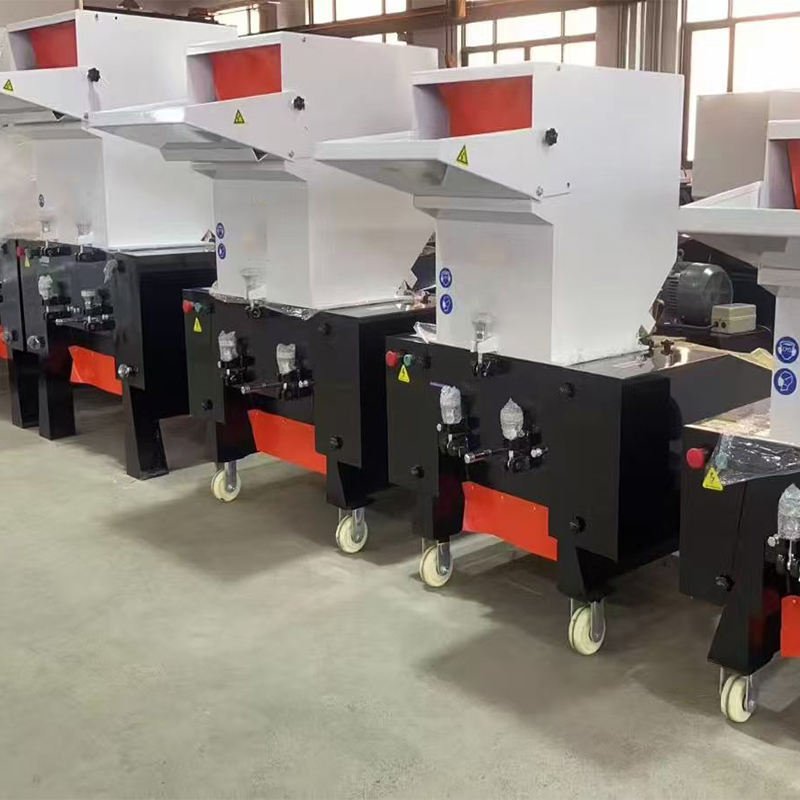
Different blade designs produce varying particle shapes and sizes. Rough shredding creates irregular 50mm to 100mm pieces suitable for volume reduction only. Fine shredding produces uniform 10mm to 30mm particles acceptable to recyclers.
The intended use of shredded material guides output size selection. Material sold to recyclers requires smaller, more uniform particles. Material simply reducing disposal volume can use larger output dimensions.
Technical Specifications and Performance Data
Understanding technical specifications helps compare different shredder models objectively. MAIKONG provides detailed performance data for all equipment models. These specifications guide informed purchasing decisions.
MAIKONG Plastic Shredder Machine Model Range
| Model | Blade Diameter | Motor Power | Capacity (kg/hr) | Dimensions (L×W×H) |
| MK-600 | 220mm | 11kW × 2 | 150-250 | 2500×1100×1600mm |
| MK-800 | 300mm | 18.5kW × 2 | 300-500 | 3000×1400×1800mm |
| MK-1000 | 400mm | 37kW × 2 | 500-800 | 3900×1800×2200mm |
| MK-1200 | 400mm | 45kW × 2 | 800-1200 | 4100×1800×2300mm |
| MK-1400 | 500mm | 55kW × 2 | 1200-1800 | 4700×2100×2400mm |
| MK-1600 | 500mm | 75kW × 2 | 1800-2500 | 5400×2400×2600mm |
Performance Factors Affecting Output
Rated capacity assumes optimal material characteristics and operating conditions. Actual throughput varies based on material density, moisture content, and contamination levels. Wet materials process 15 to 25 percent slower than dry equivalents.
Material hardness significantly impacts processing speed. Soft LDPE film processes faster than rigid HDPE containers. Mixed material streams typically achieve 70 to 80 percent of rated capacity.
High-Capacity Industrial Models
- Process multiple material types effectively
- Handle contaminated or mixed waste streams
- Provide long-term capacity for growth
- Offer better cost per kilogram processed
- Include advanced automation features
Considerations for Large Equipment
- Higher initial capital investment required
- Larger floor space and clearance needs
- More complex electrical requirements
- May exceed needs of smaller operations
- Higher maintenance and parts costs
Customization and Add-On Options
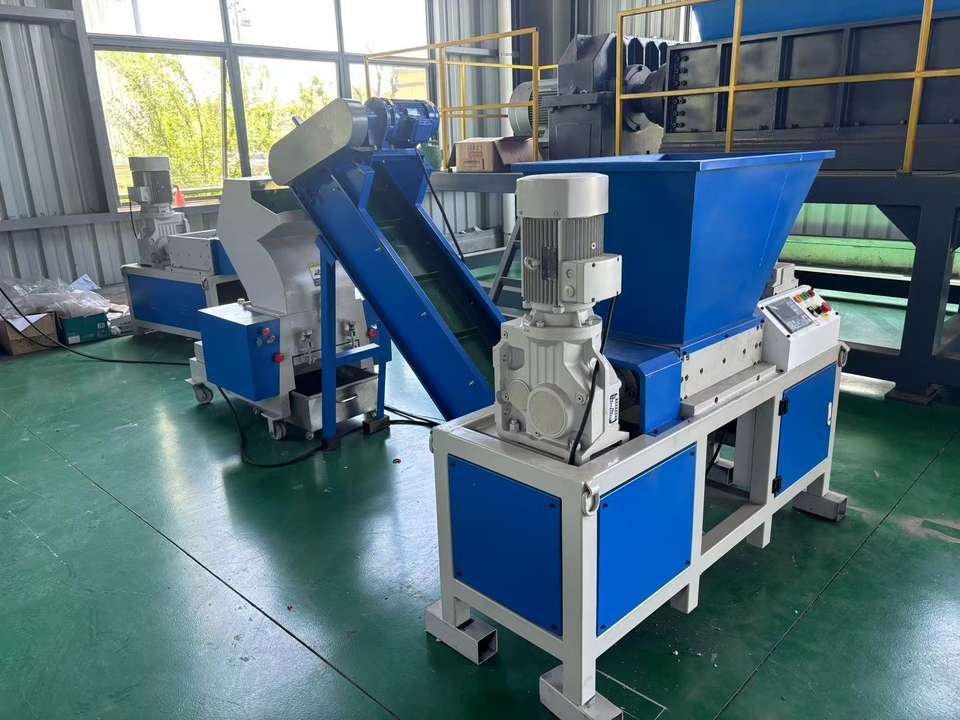
MAIKONG shredding equipment supports extensive customization for specific applications. Standard models serve as base platforms for application-specific configurations. These modifications optimize performance for unique material handling requirements.
- Infeed Conveyor Systems: Automated material delivery reduces labor and improves safety
- Hydraulic Pushers: Vertical rams force material into cutting chamber for difficult items
- Magnetic Separators: Remove ferrous metal contamination from shredded output automatically
- Dust Collection Units: Capture airborne particles for cleaner operation environment
- Discharge Conveyors: Transport processed material to storage or further processing
- Sound Enclosures: Reduce operational noise in warehouse environments
- Custom Rotor Designs: Optimize blade configuration for specific material types
Return on Investment Analysis for Philippine Operations
Justifying capital equipment purchases requires detailed financial analysis. The plastic shredder machine price philippines market ranges from ₱450,000 for small units to ₱3,500,000 for large industrial shredders. Understanding ROI helps secure management approval.
Cost Components and Pricing
Equipment cost represents only part of total investment. Installation, training, and initial spare parts add to project budgets. MAIKONG provides transparent pricing including all implementation costs.
| Equipment Category | Price Range (PHP) | Installation Cost | Training Included |
| Mini Plastic Shredder | ₱450,000 – ₱750,000 | ₱25,000 | 2 days on-site |
| Small Plastic Shredder | ₱800,000 – ₱1,400,000 | ₱45,000 | 3 days on-site |
| Industrial Plastic Shredder | ₱1,800,000 – ₱3,500,000 | ₱120,000 | 5 days comprehensive |
Operating Cost Considerations
Monthly operating expenses include electricity, maintenance, and labor. Power consumption varies by model but typically costs ₱15,000 to ₱65,000 monthly for industrial operations. Regular maintenance adds ₱8,000 to ₱25,000 monthly depending on usage intensity.
Labor requirements depend on automation level. Manual feeding operations need one dedicated operator. Automated systems allow one operator to manage multiple tasks simultaneously. This flexibility reduces effective labor costs.
Revenue Generation Potential
Processed materials command significantly higher prices than mixed waste. Current Philippine market rates for shredded plastics vary by polymer type and quality. Clean, sorted material achieves premium pricing.
Philippine Recycled Material Market Rates (2024)
- Shredded HDPE: ₱10-15 per kg (clear/natural color premium)
- Shredded PET: ₱12-18 per kg (food-grade bottles highest value)
- Shredded PP: ₱8-13 per kg (clean industrial waste preferred)
- Mixed Plastic Shred: ₱4-7 per kg (lower value but still marketable)
- Shredded Cardboard: ₱3-6 per kg (baled preferred)
Payback Period Calculation
Most logistics facilities achieve equipment payback within 18 to 36 months. High-volume operations with pure waste streams reach payback faster. Mixed waste operations take longer but still generate positive returns.
“We installed a MAIKONG MK-1200 industrial shredder in our Cavite logistics center eighteen months ago. The equipment paid for itself in twenty-two months through disposal cost savings and recycled material sales. Our monthly waste management costs dropped by sixty-three percent.”
MAIKONG Partnership Opportunities in Philippines
MAIKONG actively seeks qualified partners throughout the Philippine market. Our distributor and dealer network provides local sales and service support. Partnership opportunities offer substantial profit potential for established businesses.
Distributor and Dealer Benefits
Authorized MAIKONG partners receive comprehensive support enabling business growth. We provide more than just product supply. Our partnership model focuses on mutual success through collaborative business development.
Exclusive Territory Rights
Qualified distributors receive exclusive rights within defined geographic territories. This protection prevents internal competition and maximizes market potential. Territory sizes vary based on market density and partner capacity.
Technical Training Programs
Comprehensive training covers product knowledge, installation procedures, and maintenance protocols. Both sales and technical staff receive certification. Ongoing education keeps partners current with new products and technologies.
Marketing Support Materials
Professional marketing collateral, product literature, and digital assets provided. Co-branded materials available for local market campaigns. Trade show support including demo equipment and technical staff.
Spare Parts Inventory Support
Critical plastic shredder parts stocked locally for rapid service response. Consignment inventory programs available for qualified partners. Online parts ordering system simplifies inventory management.
Competitive Pricing Structure
Volume-based pricing tiers reward business growth. Demo equipment programs support customer evaluations. Flexible payment terms ease cash flow management for partners.
After-Sales Service Support
Technical hotline provides expert troubleshooting assistance. Remote diagnostic capabilities reduce service calls. Warranty administration handled efficiently through partner portal.
Ideal Partner Profile
Successful MAIKONG partners typically operate in related industrial equipment sectors. Existing customer relationships in waste management, recycling, or logistics industries provide immediate market access. Technical service capabilities ensure customer satisfaction.
Business Capabilities
- Established business minimum 3 years
- Technical service department
- Sales team with industrial experience
- Financial stability for inventory investment
- Warehouse facilities for equipment storage
Market Access
- Existing customer base in target industries
- Relationships with logistics companies
- Connections to recycling facilities
- Municipal government contacts
- Understanding of local market dynamics
Commitment Requirements
- Minimum annual purchase commitments
- Investment in demo equipment
- Staff training participation
- Service response time standards
- Market development activities
Partner Profit Potential
Equipment margins combined with parts and service revenue create sustainable profit streams. Initial equipment sales generate immediate revenue. Ongoing parts supply and service contracts provide recurring income.
Average equipment margins for authorized distributors range from 18 to 28 percent depending on model and volume. Parts sales add 25 to 35 percent margins. Service contracts contribute 40 to 50 percent margins on labor rates.

Explore MAIKONG Partnership Opportunities
Join our growing network of successful distributors across Philippines. Download our partnership information package or schedule a confidential discussion with our team.
Maintenance and Local Support Infrastructure
Equipment longevity depends on proper maintenance and timely service. MAIKONG provides comprehensive support ensuring maximum uptime for customer operations. Our Philippine service network addresses local market needs effectively.
Preventive Maintenance Requirements
Regular maintenance extends equipment life and prevents costly breakdowns. Most maintenance tasks require basic mechanical skills. MAIKONG provides detailed maintenance schedules and procedures for all models.
- Daily Checks: Visual inspection of blades, lubrication levels, unusual noise or vibration
- Weekly Maintenance: Clean cutting chamber, check belt tension, inspect hydraulic systems
- Monthly Service: Lubricate bearings, inspect electrical connections, check safety systems
- Quarterly Maintenance: Detailed blade inspection, gearbox oil change, complete system check
- Annual Service: Major overhaul, blade replacement, comprehensive safety inspection
Spare Parts Availability
Critical wear components stock locally through our distributor network. Common plastic shredder parts ship within 24 hours of order. Specialized components arrive from factory within 5 to 7 business days.
Blade replacement represents the most frequent parts requirement. MAIKONG blades use hardened alloy steel lasting 800 to 1500 operating hours. Actual life varies based on material processed and operating conditions.
| Component | Expected Lifespan | Replacement Cost | Stock Availability |
| Cutting Blades | 800-1500 hours | ₱18,000-45,000/set | Local stock |
| Drive Belts | 2000-3000 hours | ₱8,000-15,000/set | Local stock |
| Bearings | 5000-8000 hours | ₱12,000-28,000/set | Local stock |
| Screens | 1500-2500 hours | ₱15,000-35,000 | 5-7 days |
| Hydraulic Components | 4000-6000 hours | ₱20,000-50,000 | 5-7 days |
Technical Support and Training
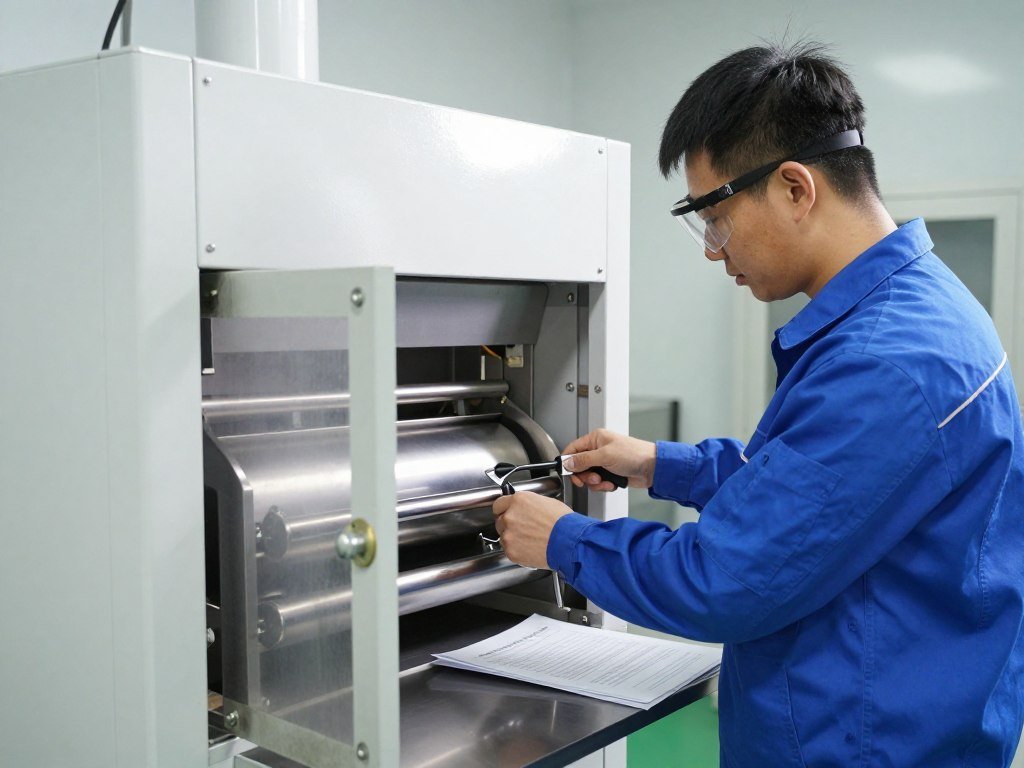
Every equipment purchase includes comprehensive operator training. MAIKONG technicians conduct on-site sessions covering safe operation, routine maintenance, and basic troubleshooting. Training typically requires two to three days depending on model complexity.
Ongoing technical support available through multiple channels. Phone and WhatsApp hotlines connect customers to experienced technicians. Email support handles non-urgent inquiries with response within 24 hours. Remote diagnostic capabilities solve many issues without service visits.
How quickly can service technicians reach our facility?
Response times depend on location. Metro Manila facilities typically receive same-day or next-day service. Provincial locations receive service within 48 to 72 hours. Emergency support available for critical production issues.
Can our maintenance staff perform blade changes?
Yes, blade replacement requires only basic tools and mechanical skills. Training covers proper procedures and safety protocols. Most facilities handle blade changes internally after initial training.
What warranty coverage comes with MAIKONG equipment?
Standard warranty covers 12 months from installation or 18 months from shipment, whichever comes first. Warranty includes parts and labor for manufacturing defects. Wear items like blades have separate coverage terms.
Making the Right Shredding Equipment Investment
Philippine logistics and warehousing operations face increasing pressure to manage waste effectively. Disposal costs rise annually while environmental regulations tighten. The right shredding equipment addresses both challenges while creating new revenue opportunities.
MAIKONG plastic shredder machines deliver proven performance across diverse applications. Our equipment processes materials ranging from soft films to rigid containers efficiently. The comprehensive product range ensures suitable options for operations of any scale.
Investment in quality shredding equipment generates returns through multiple channels. Direct disposal cost savings typically reach 40 to 70 percent. Revenue from recycled materials adds further value. Improved operational efficiency and regulatory compliance provide additional benefits.
Local support infrastructure ensures maximum equipment uptime. Our Philippine distributor network provides rapid parts delivery and technical service. Comprehensive training programs enable operators to maintain equipment effectively.
The decision to invest in shredding equipment requires careful analysis of your specific needs. Consider waste volume, material types, available space, and growth projections. Match these factors against equipment specifications to identify optimal solutions.
MAIKONG stands ready to support your evaluation process. Our team provides detailed consultations analyzing your unique requirements. We calculate realistic ROI projections based on actual operating data. Custom proposals address your specific application needs.
Start Your Shredding Equipment Evaluation Today
Connect with our Philippine team for personalized consultation. We will analyze your waste streams, recommend appropriate equipment, and provide detailed ROI calculations. Get your customized proposal within 48 hours.
Prefer to talk directly? Call our Philippines support team:
Email: Lucy@plasticshredder.ph
About MAIKONG
MAIKONG manufactures professional plastic shredding equipment serving industrial clients across Asia and globally. Our product line includes industrial plastic shredders, small plastic shredders, plastic bottle shredders, and complete recycling systems.
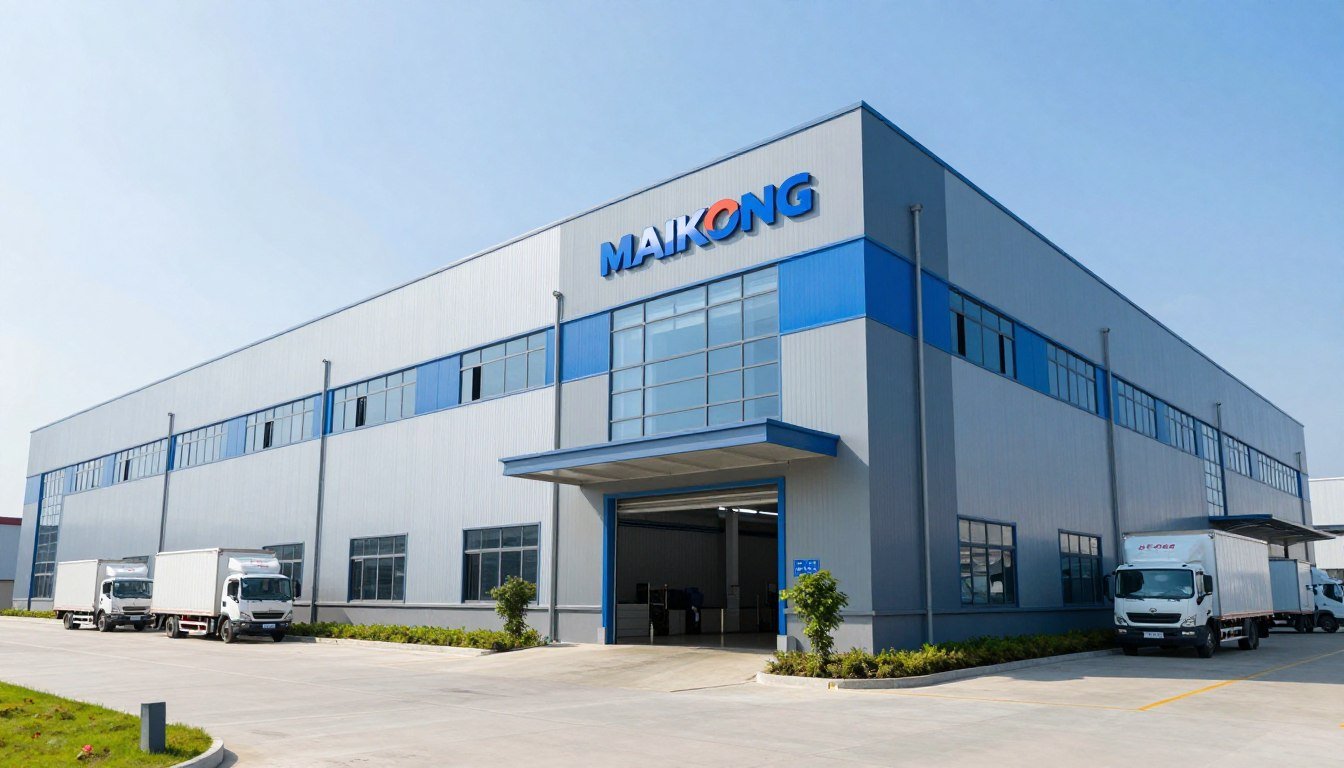
Based in Shenzhen, Guangdong, we operate modern manufacturing facilities producing equipment to international quality standards. Our engineering team continuously develops new technologies improving processing efficiency and reliability.
Philippine customers benefit from local distributor support providing sales, installation, and service throughout the archipelago. We welcome inquiries from potential partners interested in distributorship opportunities.
Visit our website at plasticshredder.ph to explore our complete product range, technical specifications, and customer success stories. Learn more about our company at our manufacturer page.