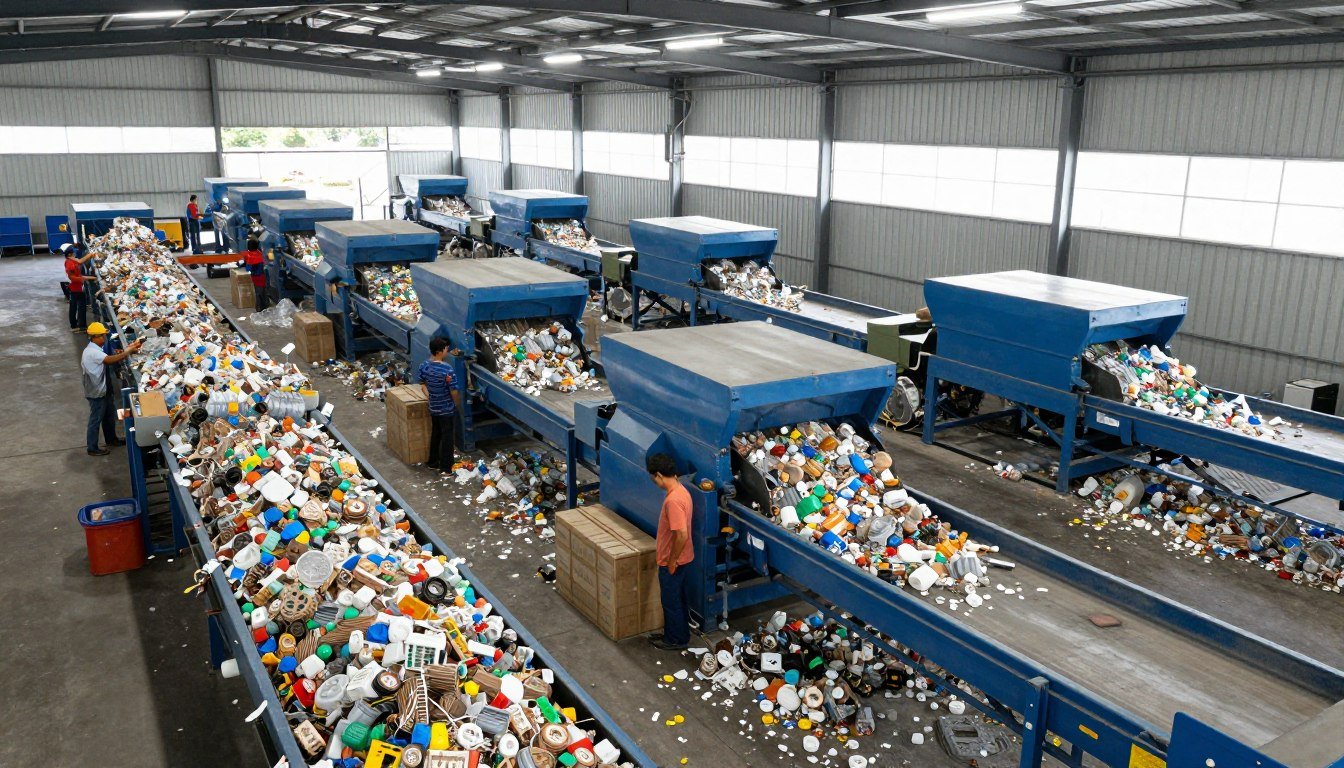
Plastic Upcycling Startups: Choosing Your First Shredder
» post_parent) {?>Plastic Shredder » Plastic Upcycling Startups: Choosing Your First Shredder
Why Your Startup Needs the Right Plastic Shredder
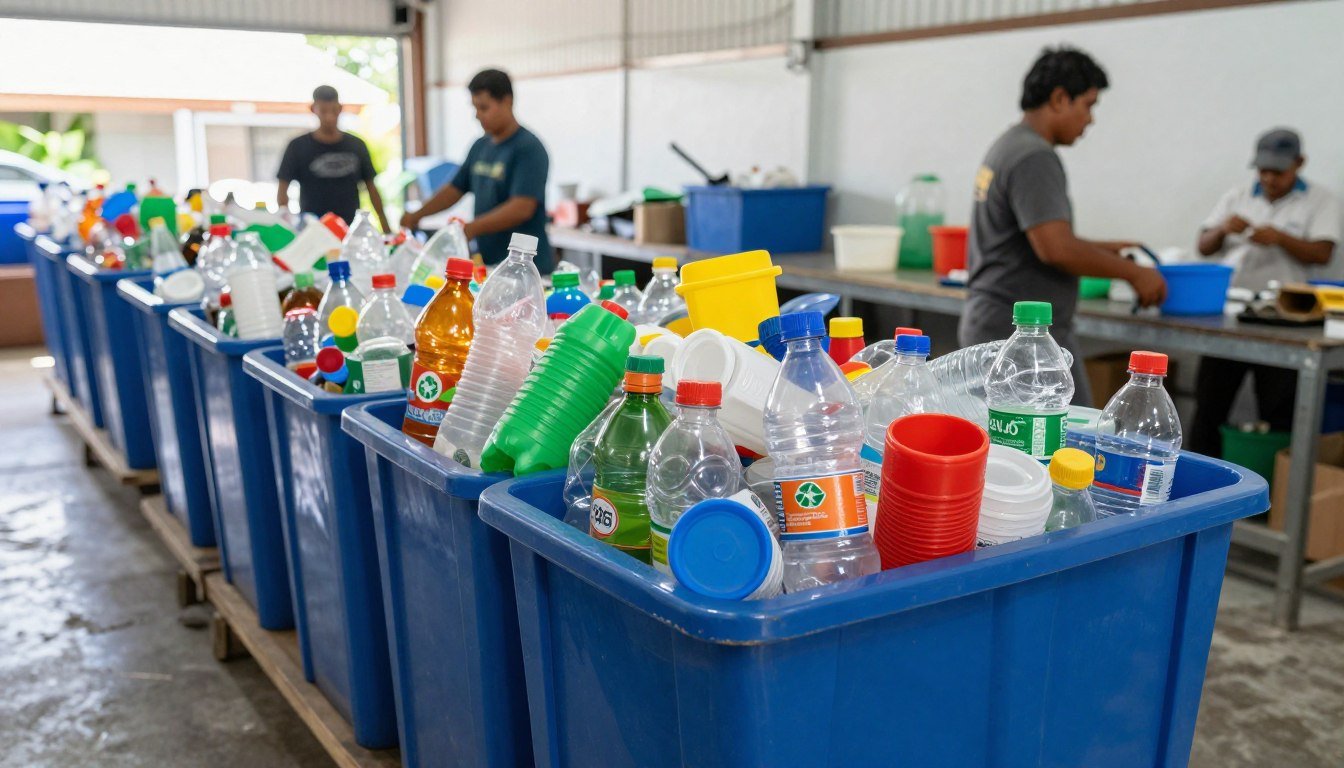
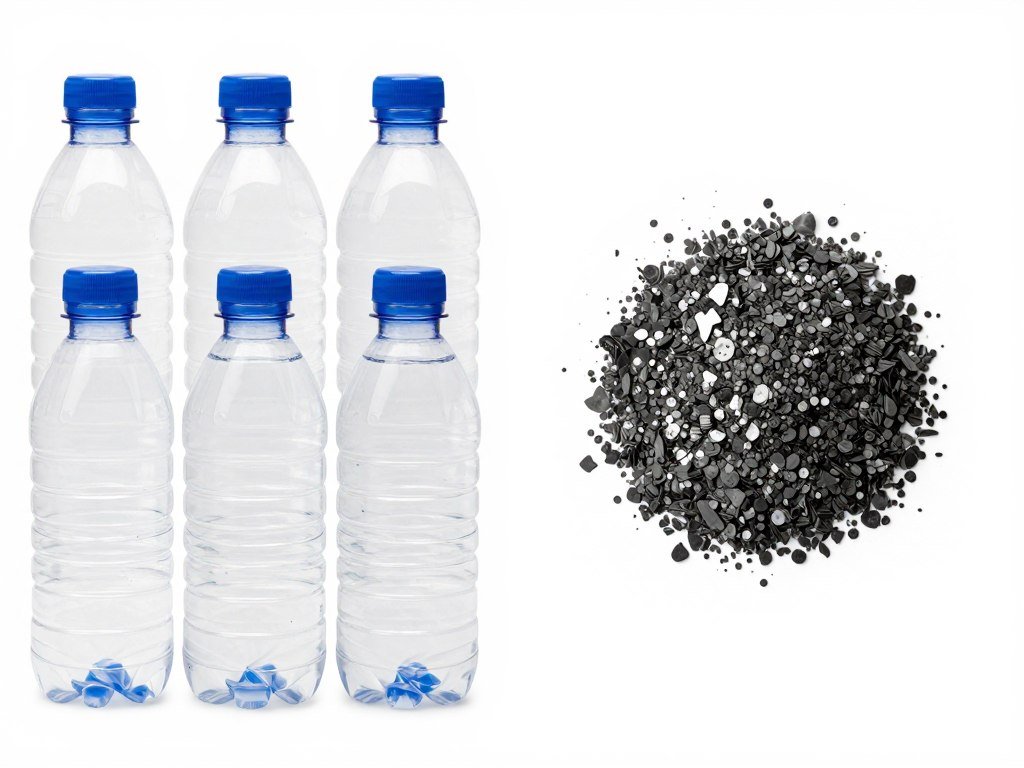
Every plastic processing operation starts with size reduction. Whether you collect PET bottles from barangays or buy factory scrap, your shredder transforms bulky waste into manageable material. This step determines everything downstream from washing to pelletizing.
The Cost of Wrong Equipment Choices
Philippine recyclers lose money three ways with poor shredder selection. First, machines without local parts support sit broken for weeks while containers of waste pile up. Second, undersized equipment creates bottlenecks that limit your daily processing volume. Third, machines designed for clean factory scrap jam constantly when fed dirty post-consumer waste.
One Manila startup bought a cheap plastic grinder online without considering blade replacement. When the blades dulled after two months, they discovered the specific alloy was not available in the Philippines. Shipping from overseas took six weeks. Their entire operation stopped.
How Shredders Impact Your Business Model
Your shredder capacity sets your revenue ceiling. A machine processing 100 kilos per hour caps your monthly volume differently than one handling 500 kilos. Calculate your target waste collection rate before choosing equipment size.
Small-Scale Community Collection
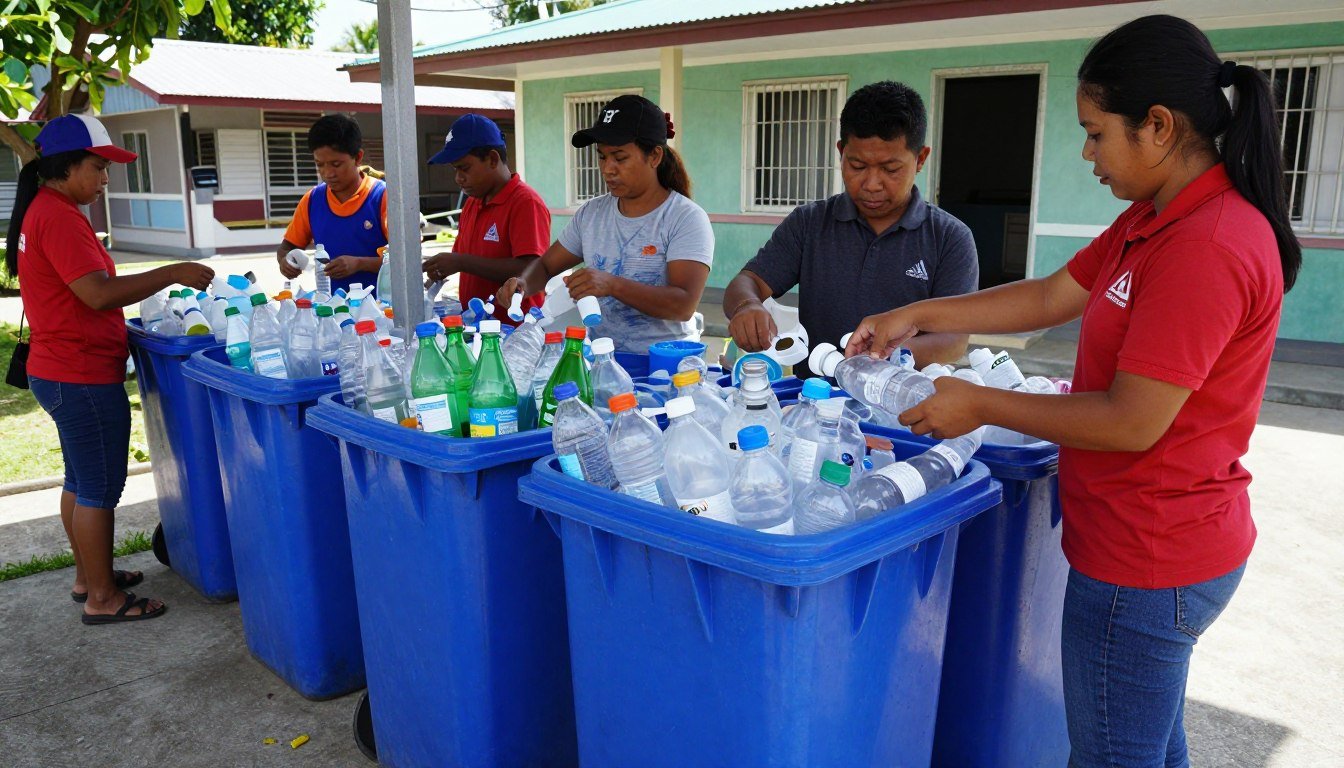
Collect plastic bottles from households and sari-sari stores
Process 200-500 kg daily
Need compact equipment for limited space
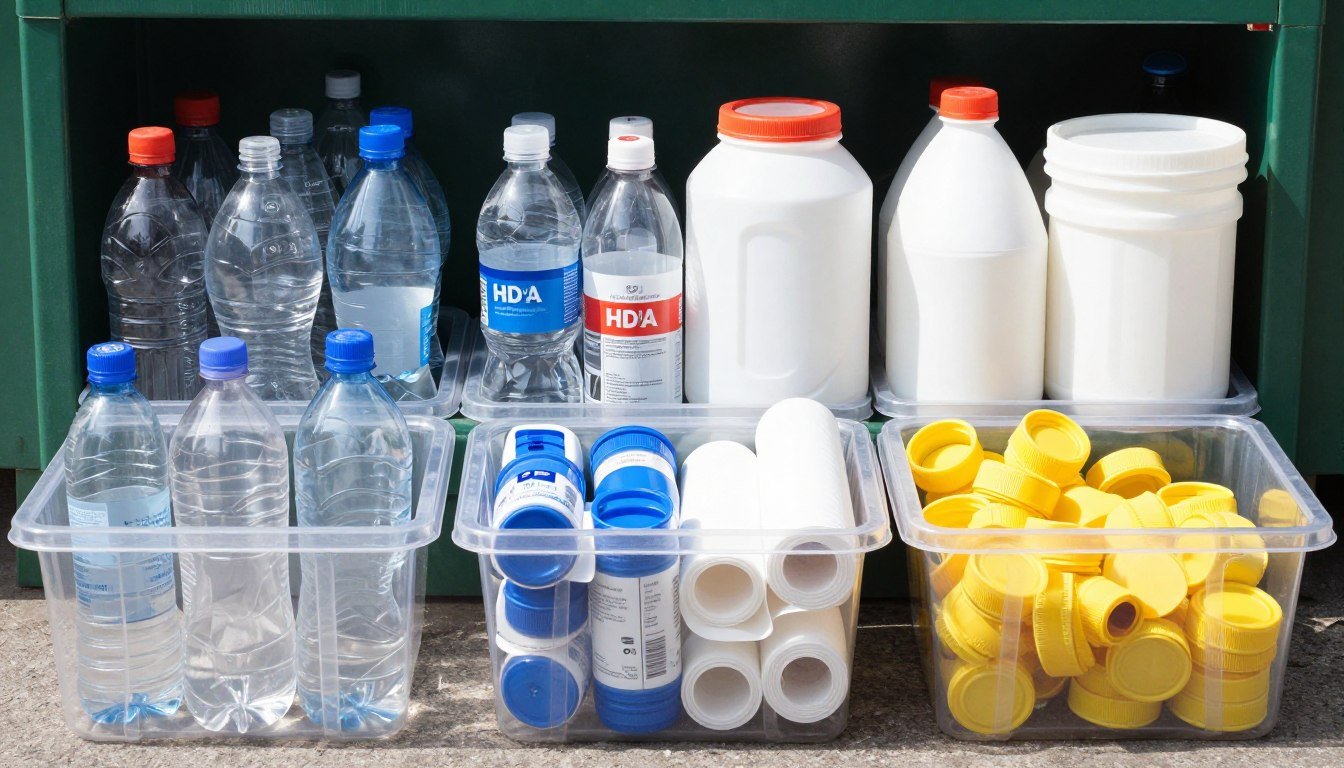
Focus on PET bottles and HDPE containers
Mid-Scale Commercial Processing
Buy baled waste from junk shops
Process 1-3 tons daily
Require industrial plastic shredder durability
Handle mixed plastics and contamination
Confused About Which Shredder Your Startup Needs?
Our Philippines team has helped 50+ recycling startups choose their first machine. Get personalized guidance based on your waste type and budget. No pressure, just practical answers from people who understand your market.
Understanding shredder categories helps you match equipment to your specific waste stream and volume requirements. Each type excels at different applications and price points.
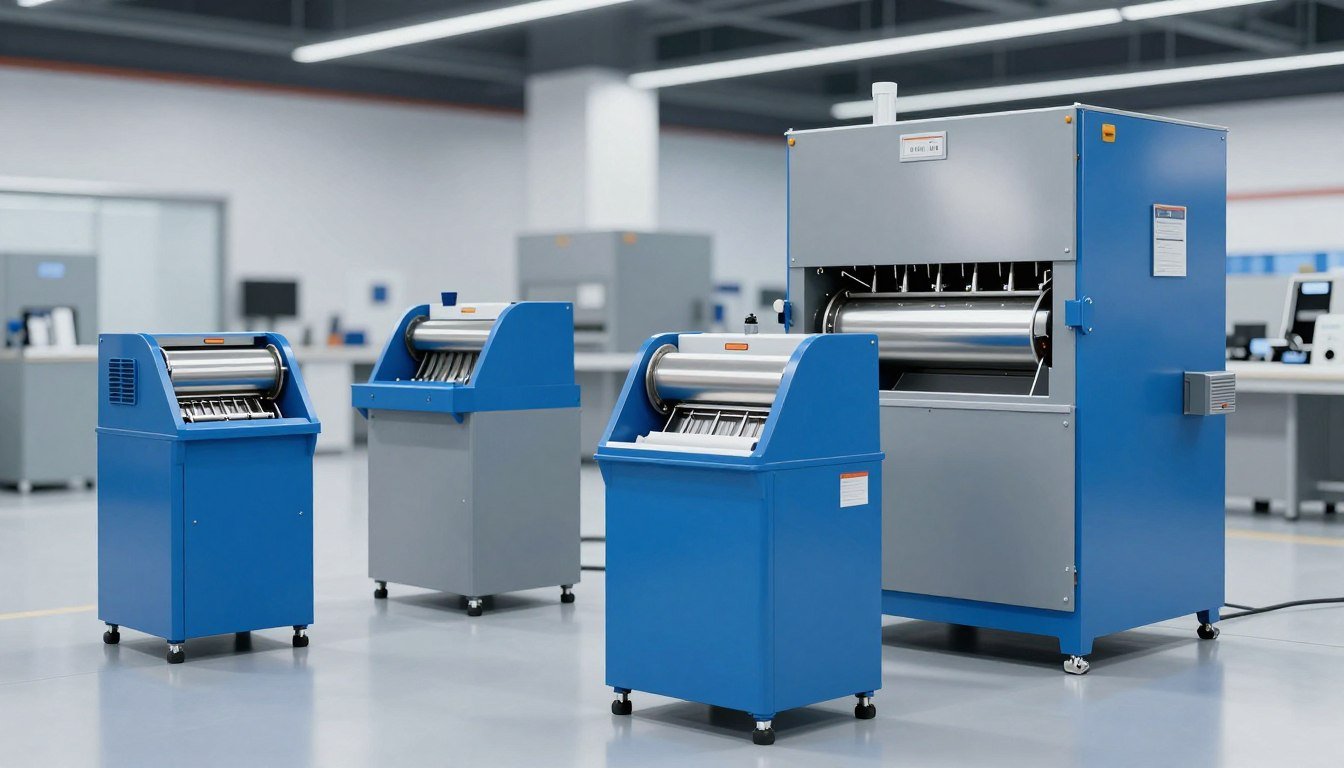
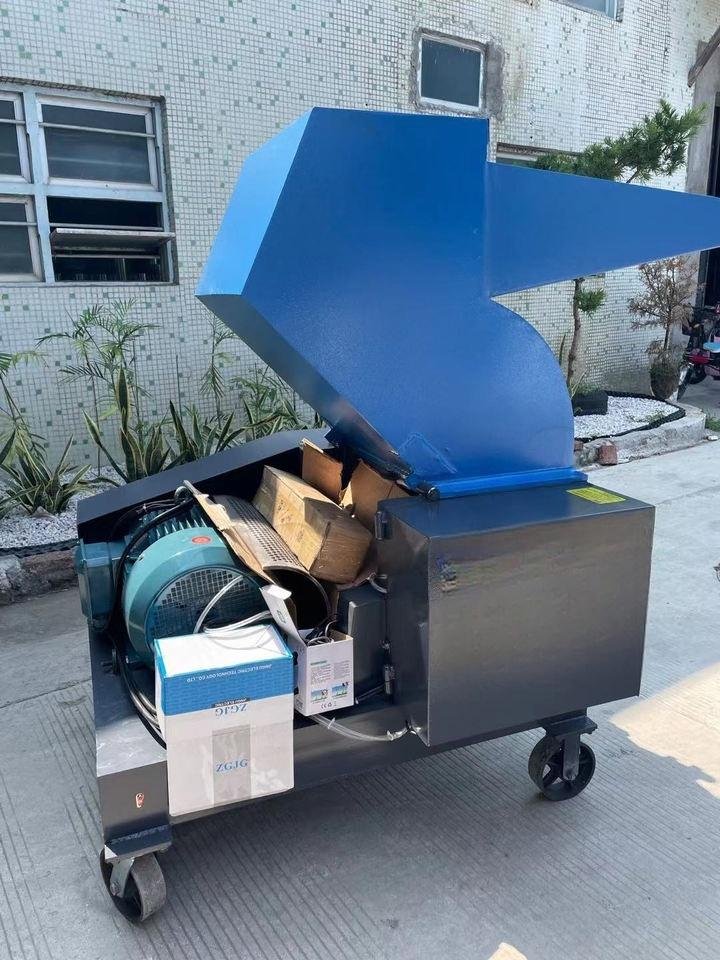
Mini Plastic Shredder Machine for Testing and Small Batches
These compact units process 50-150 kilograms per hour. They fit in a single parking space and run on standard 220V household power. Startups use them to test market demand before scaling up.
A mini plastic shredder machine works well for prototype development and small-batch upcycled products. If you make plastic lumber samples or test different resin blends, this size provides flexibility without major capital investment. The limitation shows when you try scaling to commercial volumes.
Best Applications for Mini Units
Product development and material testing
Educational programs teaching recycling
Craft businesses making small upcycled items
Backup units for larger operations
Mobile recycling demonstrations
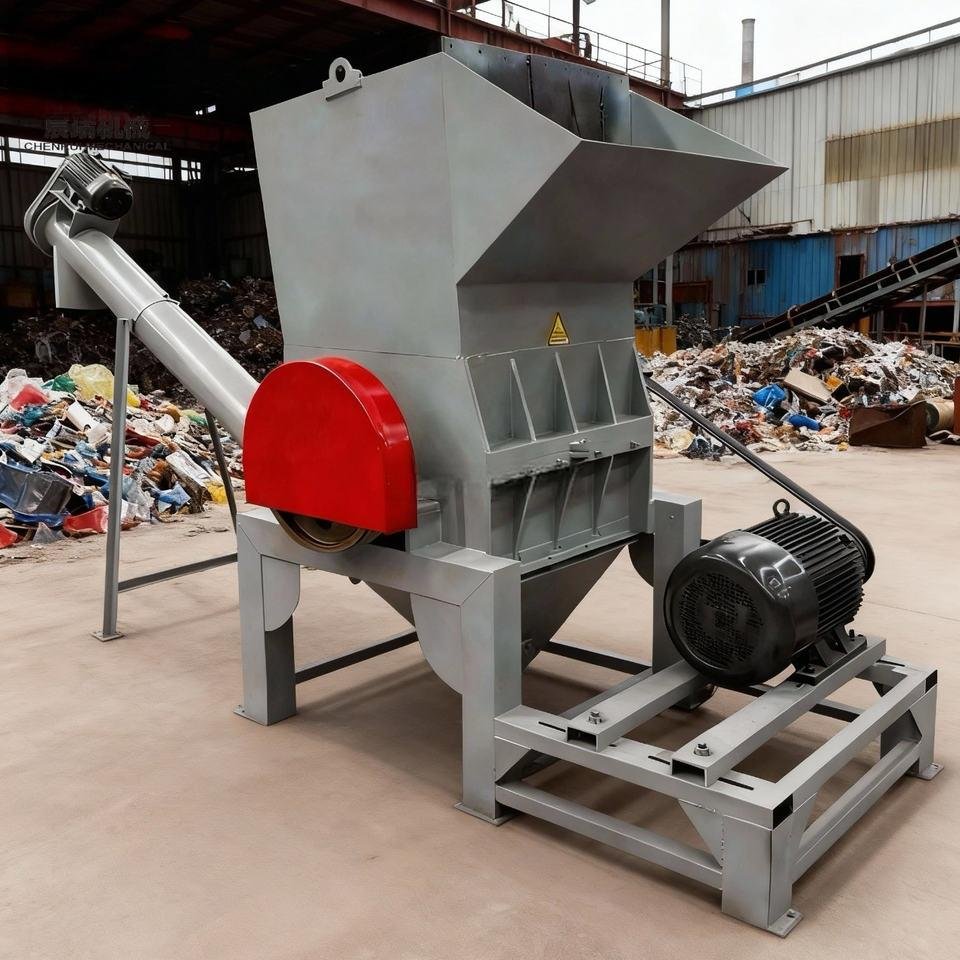
Small Plastic Shredder for Growing Businesses
This category bridges hobby projects and commercial production. Machines in this class process 150-400 kilos hourly. They need 380V three-phase power, which most commercial spaces provide.
Many Philippine startups begin here. A small plastic shredder handles daily collection from several barangays or a steady supply from local businesses. The investment typically recovers within 6-12 months if you maintain consistent feedstock.
Startup Scenarios for Small Shredders
A Quezon City social enterprise collects PET bottles from 15 partner communities. They process 800 kilos daily using two small shredders in shifts. This redundancy prevents total shutdown if one unit needs service. Their monthly volume generates enough revenue to employ eight people full-time.
Industrial Plastic Shredder for Serious Volume
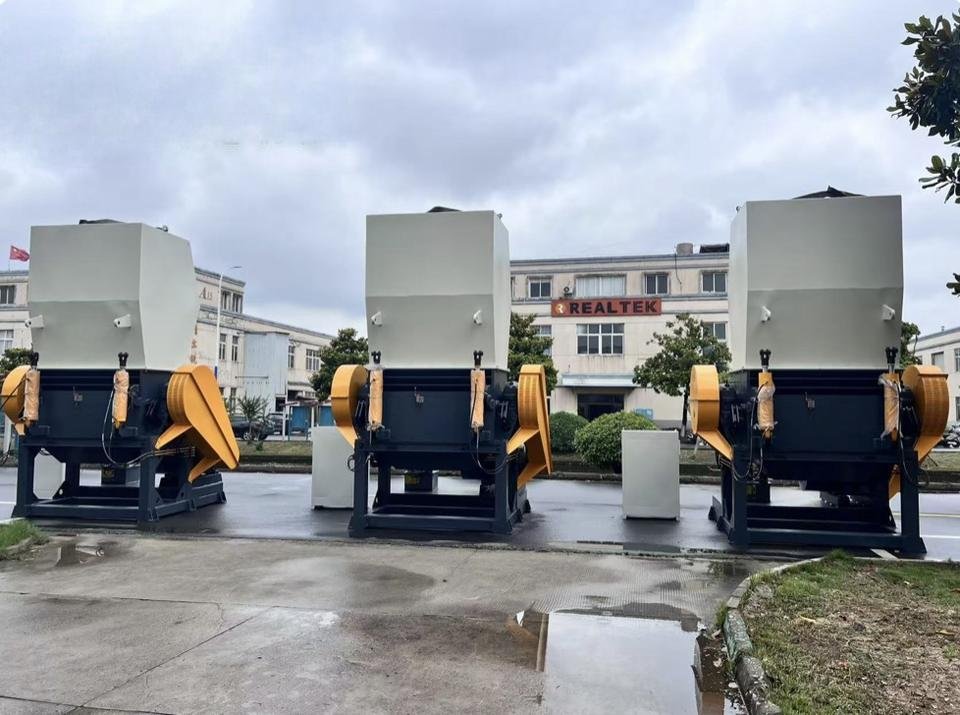
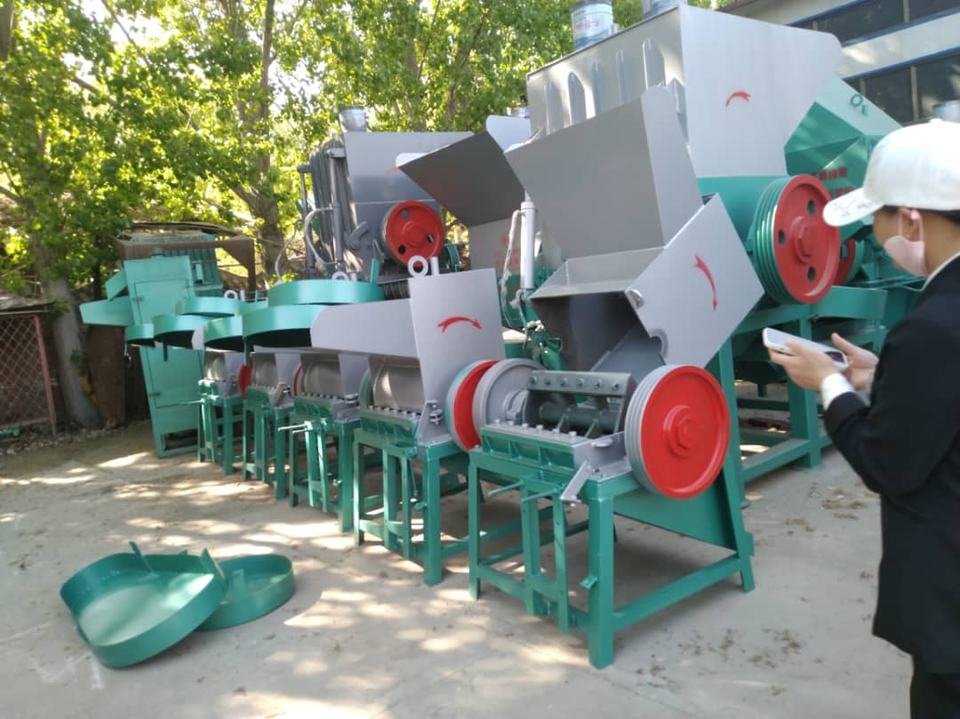
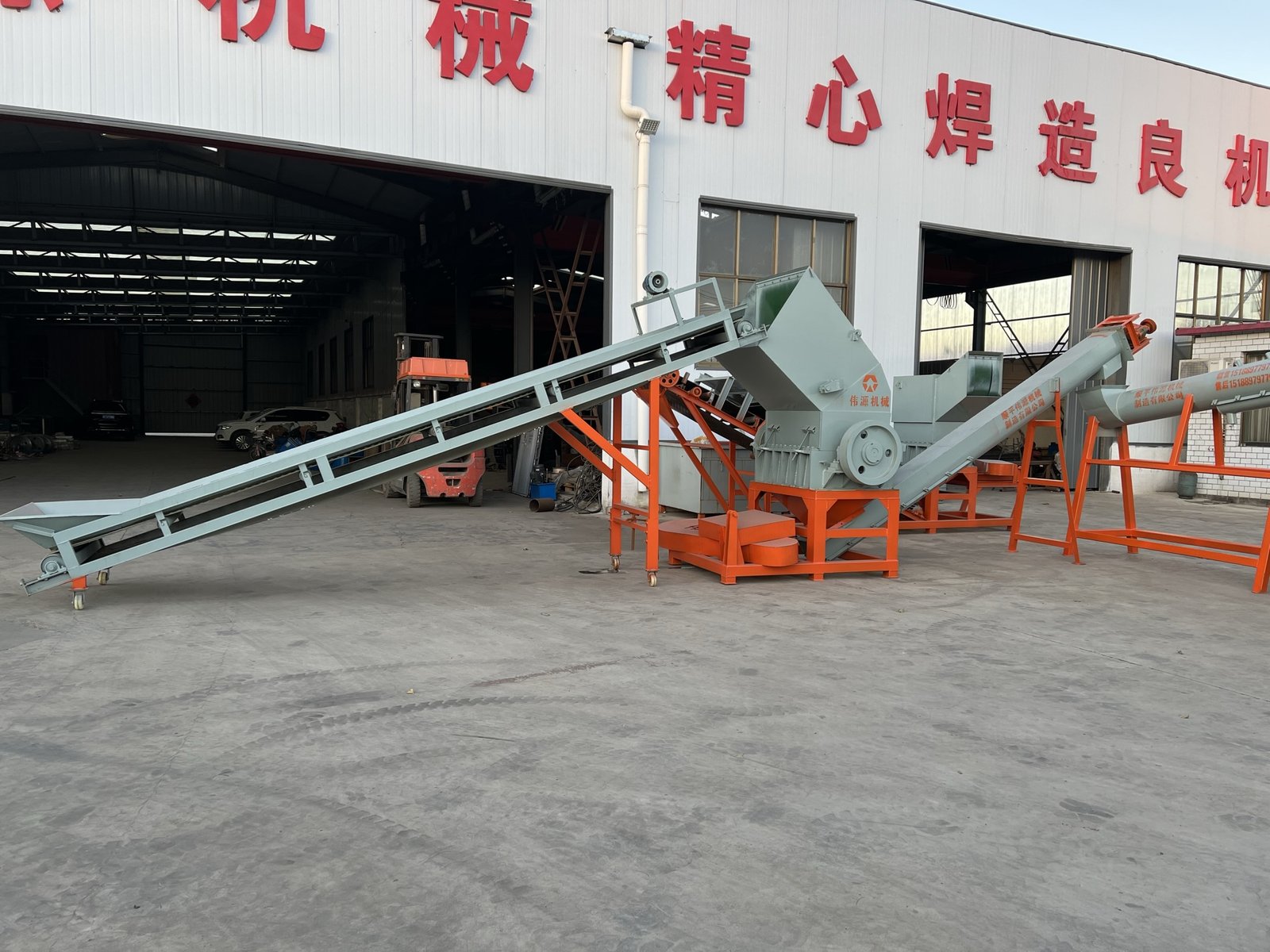
Commercial operations need robust equipment. Industrial plastic shredders process 500 kilos to several tons per hour. They handle contaminated waste, embedded metal, and continuous operation for multiple shifts.
These machines cost significantly more but deliver proportional value at scale. If you contract with supermarkets, hotels, or manufacturers, this capacity matches their waste generation. The key consideration is whether your waste pipeline justifies the investment.
Shredder Category
Hourly Capacity
Power Requirements
Ideal Waste Volume
Typical Investment
Mini
50-150 kg
220V single-phase
100-300 kg/day
Entry level
Small
150-400 kg
380V three-phase
500-1,500 kg/day
Mid-range
Industrial
500-2,000+ kg
380V heavy-duty
2+ tons/day
Premium
Single-Shaft vs Double-Shaft Design
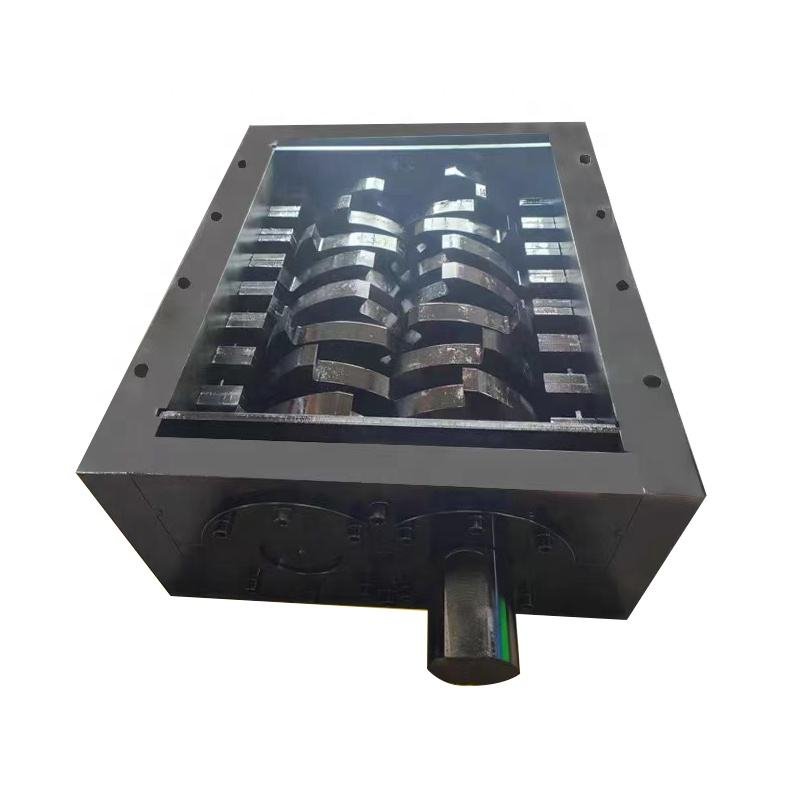
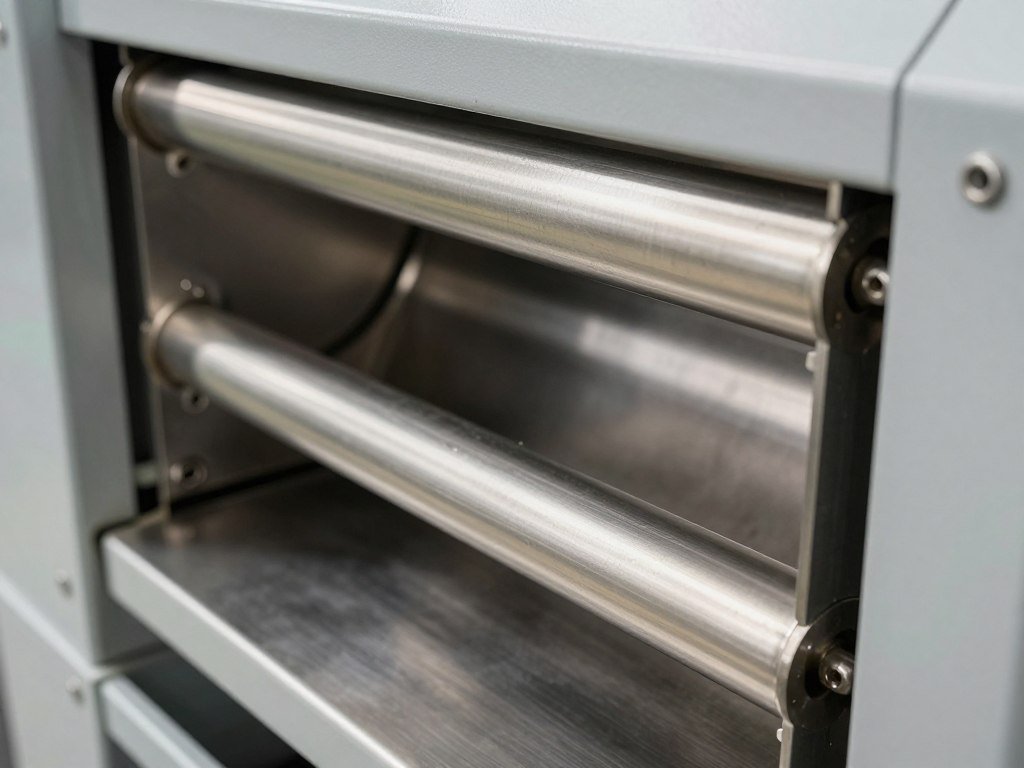
The cutting mechanism determines how your shredder handles different materials. Single-shaft units work faster with cleaner material. Double-shaft machines tolerate contamination better and produce more uniform particle size.
Philippine post-consumer waste often contains labels, caps, and dirt. Double-shaft designs handle this mixed stream without constant jamming. Single-shaft units excel when you pre-sort and clean material, like factory scrap or purchased baled bottles.
Mini Shredder – Start Small, Test Your Market
Perfect for startups testing plastic recycling with limited space. Processes PET bottles, HDPE containers, and clean scrap. Runs on household power. Ideal for 100-300 kg daily volume.
50-150 kg/hour capacity
220V plug-and-play installation
Fits in 2×2 meter space
Low initial investment
Small Shredder – Scale Your Collection
Commercial-grade for growing operations. Handles community collection programs and small junk shop volumes. Built for daily use with reliable performance. Your step to profitable recycling.
150-400 kg/hour processing
380V three-phase motor
Processes mixed plastic waste
Fast ROI for startups
Industrial Shredder – Commercial Volume
Heavy-duty for serious recycling businesses. Processes tons daily with minimal downtime. Double-shaft design handles contaminated post-consumer waste. Built for 24/7 operation.
500-2,000+ kg/hour volume
Reinforced cutting chamber
Processes films, bottles, and pipes
Maximum durability
Matching Shredder to Your Startup Type
Different business models need different equipment. Your waste source, volume, and end product determine the right plastic shredder machine specifications.
Community Collection Programs
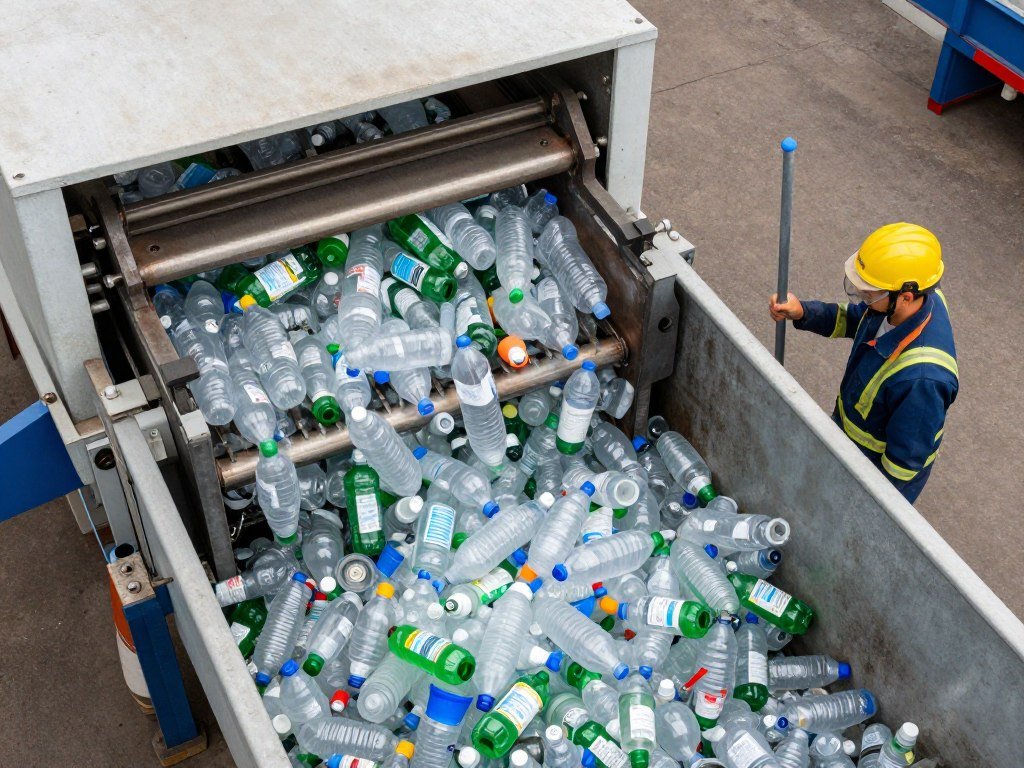
Barangay-based collection focuses on bottles and containers from households. Volume fluctuates but averages 200-600 kilos daily. A small plastic shredder matches this scale. You need equipment that tolerates occasional non-plastic items like bottle caps and labels.
The plastic bottle shredder configuration works best here. These units handle hollow containers efficiently and produce flake size suitable for washing and drying. Your output quality determines whether buyers pay premium prices or commodity rates.
Commercial Waste Partnerships
Restaurants, hotels, and supermarkets generate consistent plastic waste streams. A partnership with three major establishments might deliver 1-2 tons daily. This volume justifies an industrial plastic shredder investment.
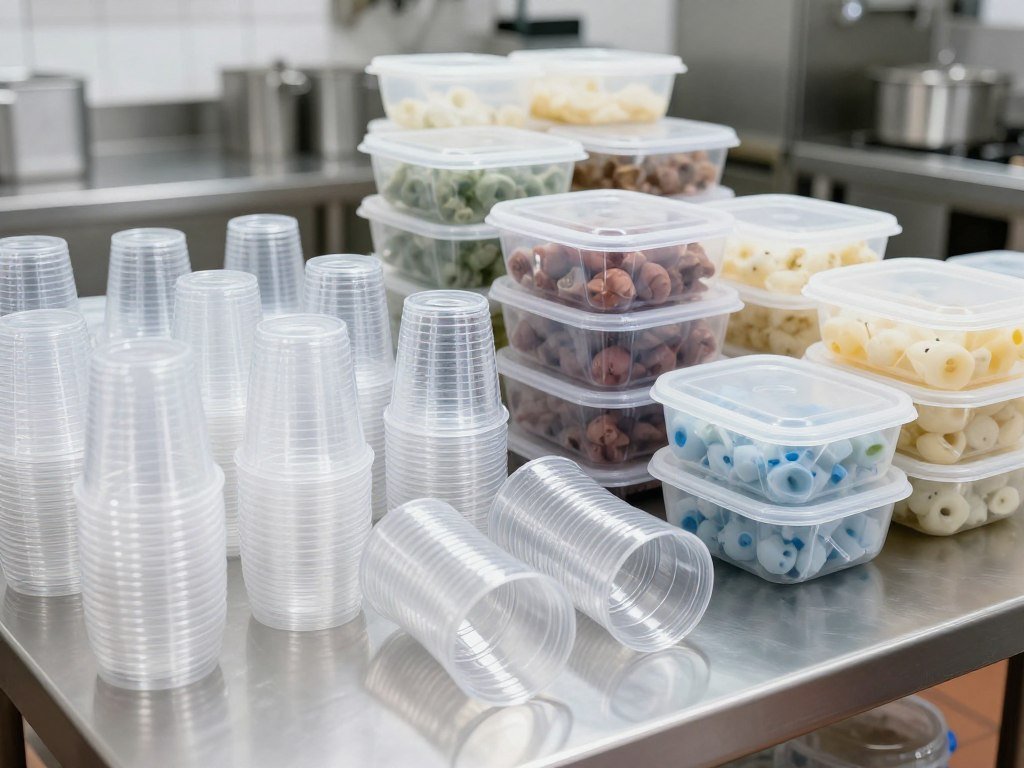
These commercial sources often provide cleaner material than residential collection. Food packaging dominates, which means mostly PET, HDPE, and PP. You can negotiate exclusive collection rights, guaranteeing your feedstock supply.
Manufacturing Scrap Processing
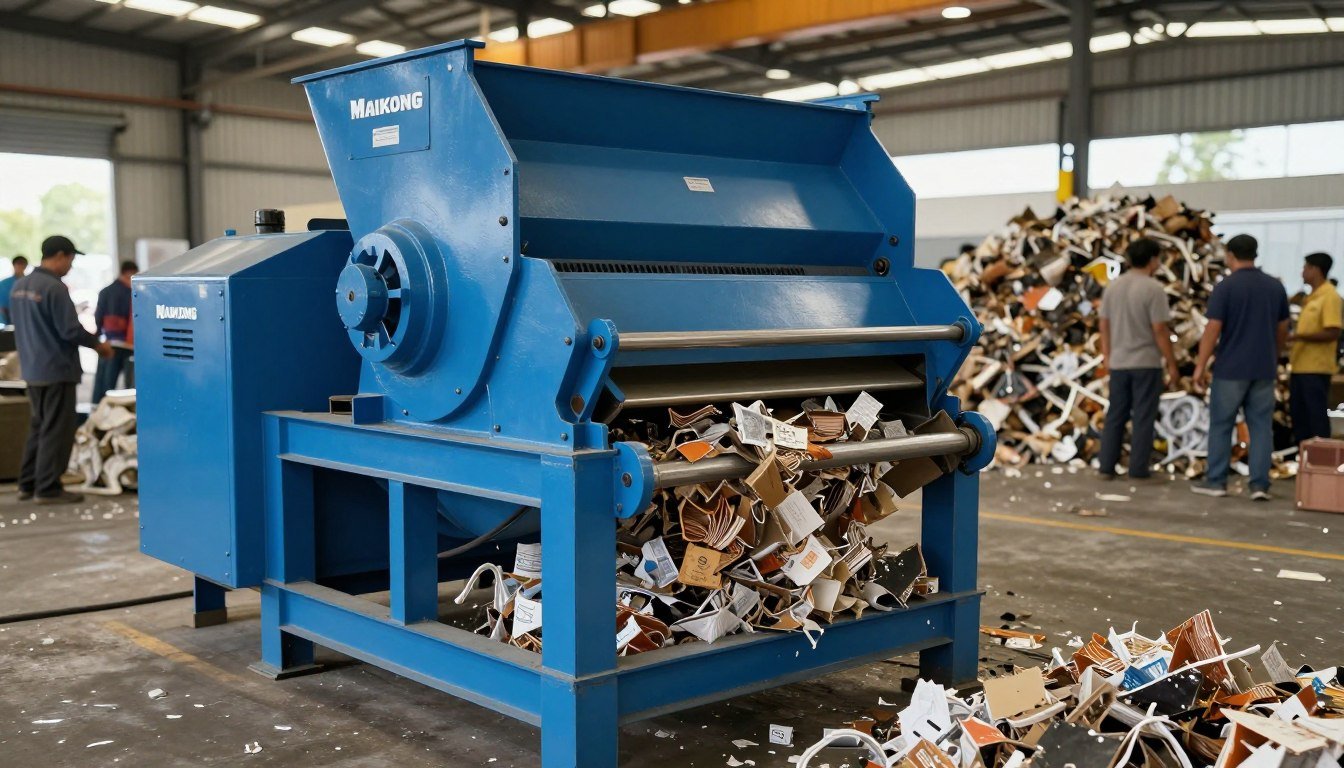
Factory scrap offers the cleanest material stream. Injection molding operations generate runners, sprues, and reject parts. Packaging manufacturers produce trim waste from thermoforming. These sources pay you to collect their scrap and buy back your regrind.
A plastic grinder or crusher machine optimized for clean scrap works efficiently here. Single-shaft designs process this material faster than double-shaft units. Since contamination is minimal, you avoid the jamming issues that plague mixed waste processors.
Calculating Your Volume Requirements
Estimate your realistic waste collection first. Count your sources and their weekly generation. Add 30% growth buffer for your first year. This total determines your minimum shreddercapacity.
A common mistake is buying based on hopes rather than confirmed supply. One Cebu startup purchased a large industrial plastic unit before securing waste contracts. The machine sat idle for months while they scrambled to find enough material. Their cash flow nearly collapsed.
Agricultural Film Recycling
Greenhouse covers and mulch films create huge waste volumes in farming regions. This material comes contaminated with soil and plant matter. You need a heavy-duty shredder with aggressive feeding and contamination tolerance.
Agricultural plastics are typically LDPE or LLDPE, which commands different market prices than bottle-grade PET. The profit margins are tighter but the volumes can be massive if you establish collection networks across multiple farms.
Equipment costs vary based on size, features, and origin. Understanding price components helps you budget accurately and compare solutions fairly.
Initial Equipment Investment
A mini plastic shredder machine starts at entry-level pricing suitable for startups with limited capital. Small plastic shredder units fall in the mid-range. Industrial plastic shredders require substantial investment but offer proportional capacity.
These prices typically include the base machine only. Additional costs come from electrical installation, conveyors for feeding, and collection systems for output material. Budget an extra 15-25% beyond the shredder price for complete installation.
Import Duties and Shipping to Philippines
Importing equipment to the Philippines adds several cost layers. Customs duties depend on classification codes and free trade agreements. Shipping costs vary by origin country and container size. Port fees and clearing charges add more expense.
Working with a supplier who handles Philippines imports regularly saves money and headaches. They know the documentation, have freight relationships, and can navigate customs efficiently. MAIKONG provides complete landed cost quotes that include all these factors.
Direct Import Advantages
Access to latest technology and designs
Wider range of specifications available
Often better quality than local alternatives
Manufacturer support and warranty
Competitive pricing at volume
Import Challenges
Longer lead time from order to delivery
Complex customs and documentation
Risk of damage during shipping
Currency exchange rate fluctuations
Need for local technical support
Operating Cost Considerations
Monthly expenses extend beyond the purchase price. Power consumption varies by motor size and efficiency. Blade sharpening or replacement happens every few months depending on material processed. Maintenance labor adds ongoing cost.
Calculate your power cost per kilogram processed. A 15 kW motor running 8 hours daily consumes 120 kWh. At Philippine industrial electricity rates, this translates to specific operating cost per ton shredded. Compare this across different machine models.
Hidden Costs New Operators Miss
Spare parts inventory for critical components
Blade sharpening service or replacement sets
Electrical upgrades to handle motor load
Safety equipment and worker training
Dust collection or ventilation systems
Material handling equipment (conveyors, hoppers)
Return on Investment Timeline
Most Philippine startups recover their shredder investment within 8-18 months. The timeline depends on your waste acquisition cost, processing volume, and selling price for output material.
If you collect residential waste for free and sell flake at ₱15-20 per kilo, your margins are excellent. Buying baled material at ₱8-12 per kilo reduces profit but increases volume. Calculate your specific scenario using realistic local prices.
What Will a Shredder Actually Cost Your Startup?
Get transparent Philippines pricing in pesos, ROI calculation for your waste volume, and flexible payment options for startups. No obligation, no pressure. We provide complete landed costs including duties and delivery to your location.
Specifications matter less than practical performance in Philippine conditions. Focus on features that affect daily operation, maintenance ease, and output quality.
Blade Durability and Replacement
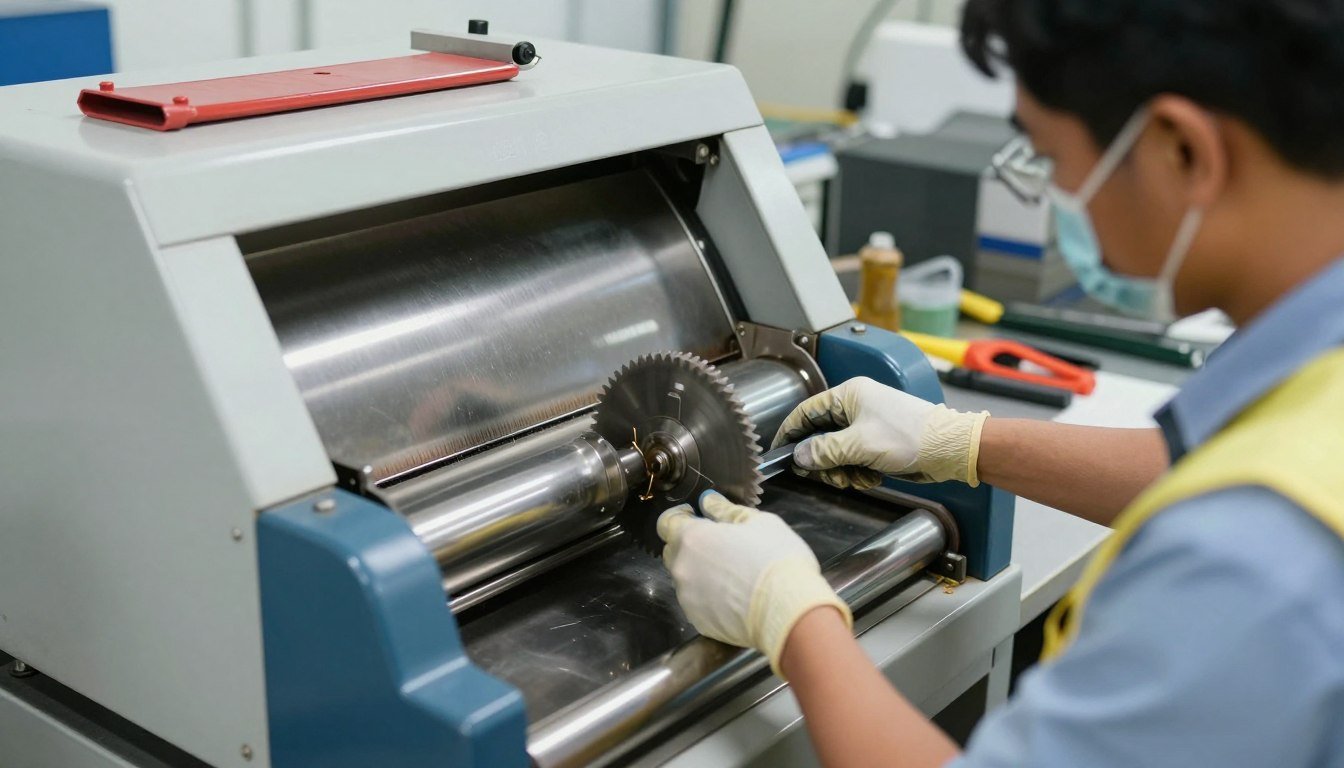
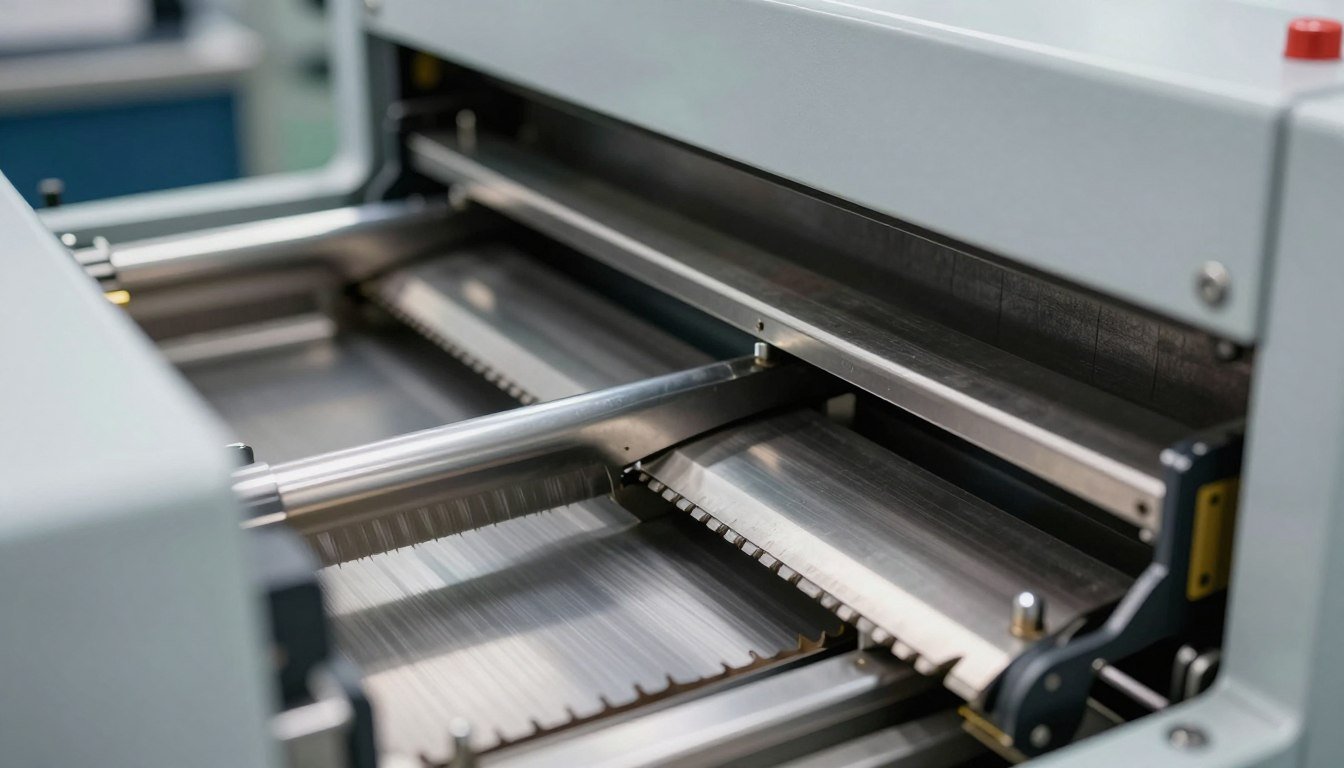
Cutting blade quality determines your maintenance frequency and cost. Premium alloy blades last 3-6 months processing mixed waste. Cheap blades dull within weeks. The critical factor is availability of replacements in the Philippines.
MAIKONG shreddersuse modular blade designs where individual cutting edges replace rather than entire assemblies. This reduces replacement cost by 60-70% compared to one-piece blade systems. Our Philippines parts inventory ensures delivery within 2-3 days.
Motor Power and Efficiency
Undersized motors bog down under load and burn out prematurely. Oversized motors waste electricity. The right motor matches your typical material density and feeding rate.
Variable frequency drives improve efficiency by ramping power based on load. If you process different materials or vary your feeding rate, VFD-equipped machines reduce energy consumption by 15-30% compared to fixed-speed motors.
Model Size
Blade Diameter
Motor Power
Ideal Material
Recommended Volume
600mm
220mm
11-15 kW
Bottles, thin containers
50-150 kg/hr
800mm
300-400mm
18.5-45 kW
Mixed plastics, films
150-400 kg/hr
1000mm
400mm
45 kW
Pipes, thick parts
400-600 kg/hr
1400mm
500mm
55 kW
Heavy industrial plastic
600-1000 kg/hr
2000mm
650mm
132 kW
Large volume mixed waste
1500+ kg/hr
Hopper Design and Feeding
The hopper shape affects how smoothly material feeds into cutting blades. Steep-sided hoppers work better for bottles and containers. Wider shallow hoppers suit films and flexible materials.
Manual feeding requires constant labor. Conveyor feeding automates the process but adds cost. For startup operations under 500 kg daily, manual feeding with a well-designed hopper works fine. Above that volume, automation improves economics.
Safety Interlocks and Emergency Stops
Philippine labor laws require specific safety features on industrial equipment. Emergency stop buttons must be accessible from all operator positions. Hopper access should trigger automatic motor cutoff. Electrical panels need proper grounding.
Our technical team at +86 135-1090-7401 provides setup training in Tagalog or English and responds to support questions within 2 hours during Manila business hours. We ensure your installation meets Philippine electrical codes and safety requirements.
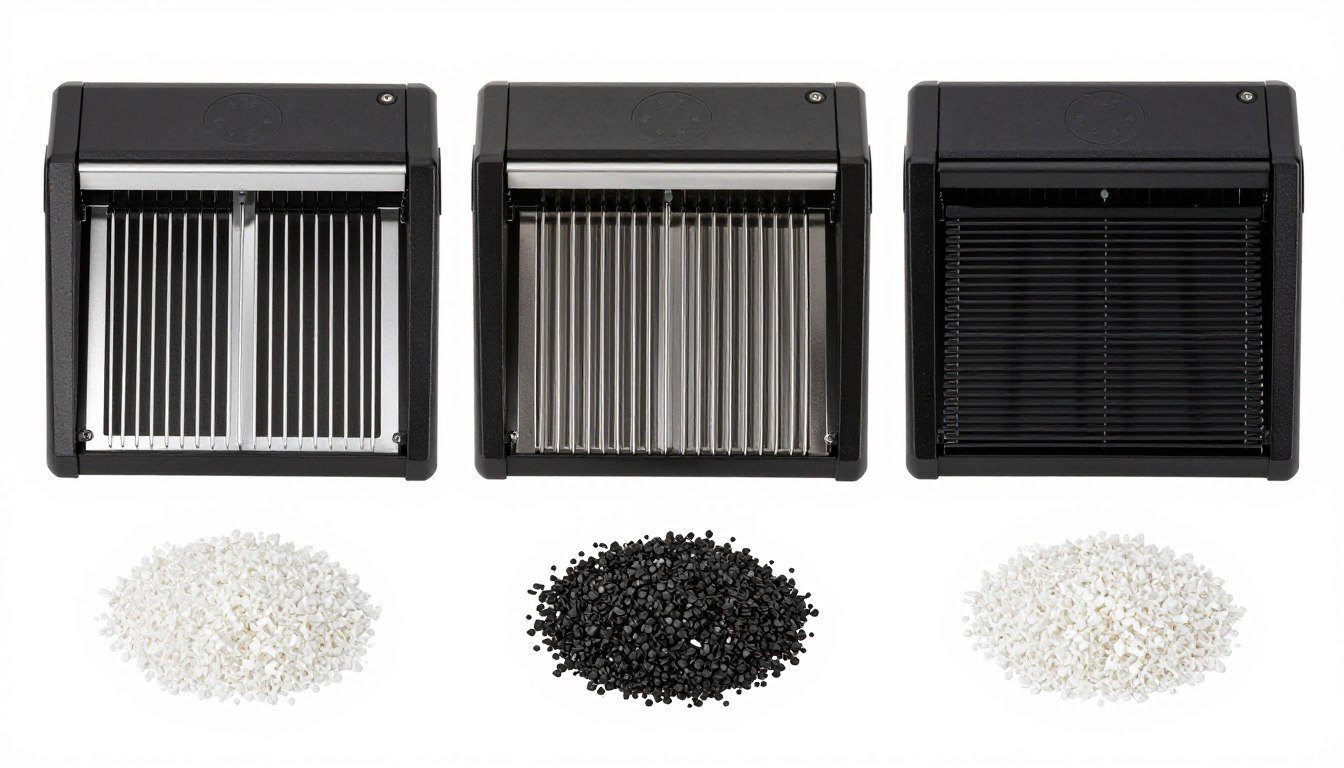
Screen Size and Output Quality
The screen determines your output particle size. Finer screens produce smaller flakes but reduce throughput and increase power consumption. Match screen size to your buyer specifications.
Most plastic washing lines prefer 8-15mm flake size. If you sell directly to compounders, they might accept larger pieces. Having interchangeable screens lets you adapt to different customer requirements without buying new equipment.
Noise and Dust Control
Shredding creates noise and airborne particles. If you operate near residential areas, noise complaints can shut you down. Dust affects worker health and material quality.
Enclosed cutting chambers reduce noise by 15-20 decibels compared to open designs. Dust collection ports connect to vacuum systems that capture particles. These features cost more upfront but prevent future problems with neighbors and health inspectors.
MAIKONG Plastic Shredder Solutions for Philippines
Choosing equipment from suppliers who understand your market makes operation smoother and more profitable. MAIKONG specializes in recycling equipment for Southeast Asian conditions with specific support for Philippine customers.
Local Support Infrastructure
We maintain spare parts inventory in the Philippines for common wear items. Blades, bearings, and electrical components ship from our regional warehouse within 48 hours. This eliminates the weeks of downtime that plague importers without local support.
Our Manila-based technical team handles installation supervision, operator training, and troubleshooting. They speak Tagalog and English. They understand Philippine electrical systems and operating conditions. You get support from people who know your challenges.
Equipment Designed for Tropical Climate
High humidity affects electrical systems and causes corrosion. MAIKONG machinesuse sealed motor housings and corrosion-resistant fasteners. Control panels include dehumidifiers in coastal installations.
Dust and contamination are heavier in Philippine waste streams than in developed markets. Our blade geometry and screen designs tolerate this reality. We do not sell you equipment optimized for clean factory conditions when you process dirty street collection.
Flexible Payment Terms for Startups
We understand Philippine startup financing challenges. Equipment financing options work with local banks. Lease-to-own programs spread payments over 24-36 months. We help you structure deals that match your cash flow rather than forcing 100% upfront payment.
Complete System Integration
A shredder alone does not make a complete recycling line. You need washing, drying, and possibly pelletizing equipment. MAIKONG provides integrated solutions where all components work together efficiently.
Our engineers design complete systems based on your waste type and target output. We ensure proper sizing so your shredder does not create bottlenecks downstream. Everything from electrical requirements to facility layout gets planned before installation.
Standard Package Includes
Shredder with motor and controls
Initial blade set and one spare set
Installation supervision
Operator training (2 days)
First year spare parts support
Technical manual in English
Optional Upgrades Available
Automatic feeding conveyor
Dust collection system
Sound insulation enclosure
Remote monitoring system
Extended warranty coverage
Customized color/branding (OEM)
OEM and ODM Customization
If you plan to establish your own brand or need specific modifications, MAIKONG provides OEM and ODM services. We customize machine colors, add your branding, and modify specifications to match your unique requirements.
Distributors building their own equipment line benefit from our manufacturing capacity. You specify features and appearance. We produce to your standards. This works well for entrepreneurs wanting to offer branded recyclingsolutions to their network.
Build Your Recycling Equipment Business
Selling plastic shredder equipment offers better margins than operating a recycling facility. If you have connections in waste management, manufacturing, or environmental sectors, distributor partnership might suit you better than buying equipment for your own use.
Why Distribute MAIKONG Equipment
The Philippine recycling industry grows rapidly. New startups launch monthly. Existing operations expand. This creates continuous demand for quality equipment. As a distributor, you earn on every sale without operating machinery yourself.
MAIKONG provides competitive distributor pricing that lets you build healthy margins. We handle manufacturing, quality control, and shipping. You focus on sales, customer relationships, and local support. Your experience in the Philippine market combined with our production creates value.
Distributor Support Package
We supply marketing materials, technical specifications, and demonstration units. Your sales team gets product training. We provide technical backup for questions beyond your expertise. Our goal is making you successful because that makes us successful.
Exclusive territory rights for your region
Competitive wholesale pricing structure
Marketing collateral and technical documentation
Demo unit program for large opportunities
Sales training and product certification
Co-op advertising support
After-sales technical backup
Ideal Distributor Profile
Successful MAIKONG distributors typically have existing relationships in related industries. You might already sell industrial equipment, operate in waste management, or service manufacturing clients. Your network becomes your advantage.
Technical knowledge helps but is not mandatory. We provide training. What matters more is understanding customer needs, building trust, and following through on commitments. Philippine business operates on relationships. Your reputation opens doors.
Want to Build a Business Helping Philippines Recycle Plastic?
Become a MAIKONG distributor and earn profit on every shredder sold in your region. We provide equipment, training, marketing support, and exclusive territory rights. Join a growing industry with strong profit potential and environmental impact.
You have learned about equipment types, features, and suppliers. Now you need a decision framework that fits your specific situation. Every startup has unique constraints and opportunities.
Assessment Questions to Answer First
Before comparing specific models, clarify your situation. What is your confirmed waste supply? Do you have commitments from sources or are you still prospecting? How much capital can you access? What space do you have available?
Many entrepreneurs skip this step and jump straight to equipment shopping. They buy based on what sounds good rather than what matches their reality. Then their expensive machine sits underutilized because they lack sufficient waste supply.
What happens if I outgrow my first shredder?
Starting with appropriate-sized equipment is smarter than over-buying. A small plastic shredder that runs full-time is better than an industrial plastic shredder that sits idle. When you outgrow your first unit, it becomes your backup or sells easily in the used market. Then upgrade to larger capacity with proven cash flow.
Can I process multiple plastic types in one shredder?
Yes, but you must clean the machine between different resin types if you want to maintain material purity. Most startups process mixed plastics initially and sort before shredding as they grow. Pure streams command higher prices but require more labor and space for sorting.
How much technical knowledge do I need to operate a shredder?
Basic mechanical understanding helps but is not mandatory. MAIKONG provides hands-on training during installation. Most operators learn the essentials within 2-3 days. Routine maintenance like blade inspection and basic cleaning are simple procedures any responsible person can handle with proper instruction.
What safety training do workers need?
Philippine labor law requires safety orientation for all equipment operators. We provide safety training covering proper feeding techniques, emergency procedures, and personal protective equipment use. Operators must never reach into the hopper while the machine runs and must understand all safety interlocks.
Comparing Your Options Objectively
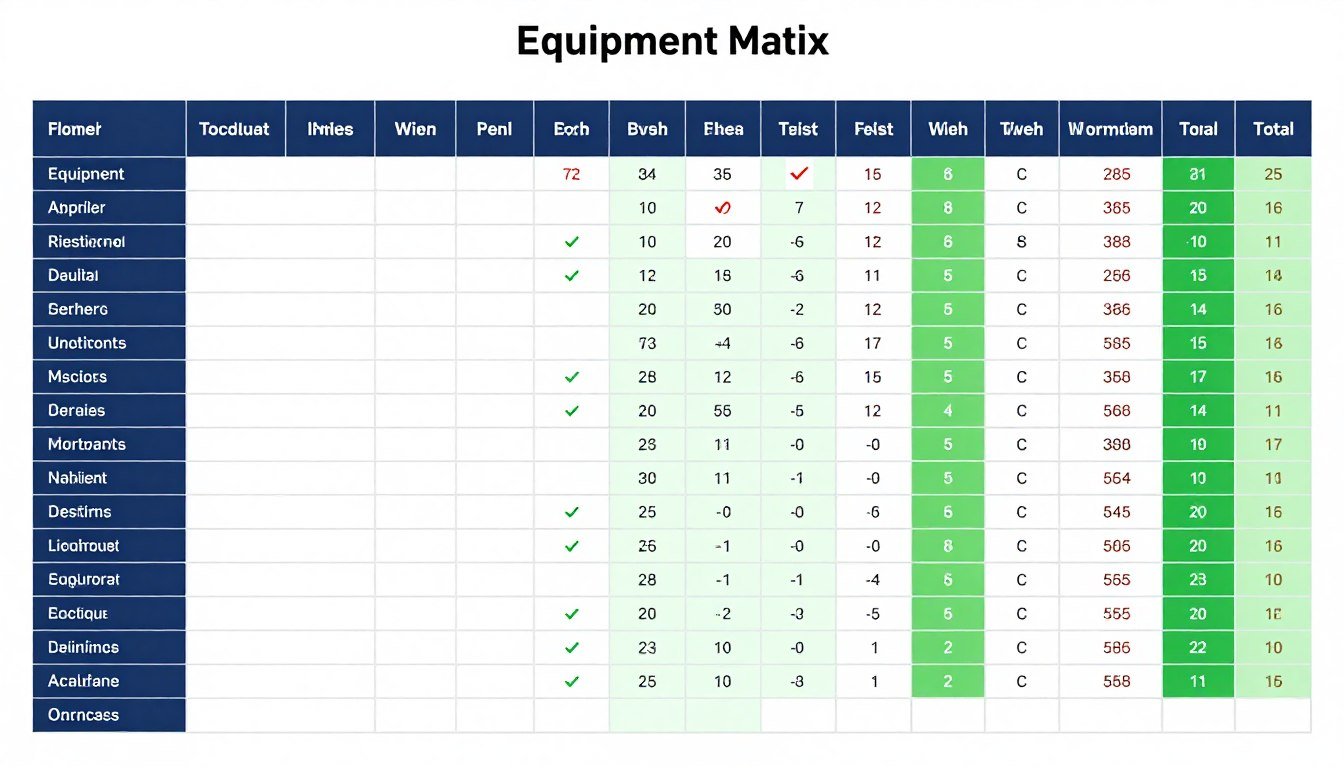
Create a simple comparison matrix. List your top 3-4 equipment options across the top. Down the side, list factors that matter to you: price, capacity, power requirements, parts availability, warranty terms, supplier support.
Weight each factor by importance. Price might be 30% of your decision if capital is tight. Parts availability might be 25% if you cannot afford downtime. Score each option on each factor. The math helps you see past shiny features to what actually matters for your success.
Testing Before Committing
If possible, visit operating installations before buying. See your target shredder model processing material similar to yours. Talk with actual users about their experience. What breaks? How fast is support? Do they regret their choice or would they buy again?
MAIKONG arranges facility visits where our equipment operates. You can use reference customers to verify our claims. We do not hide our installations or prevent customer contact because we are confident in our equipment performance and support quality.
Planning for Growth
Your first shredder will not be your last if you succeed. Consider how equipment choices today affect expansion later. Can you add a second identical unit for redundancy? Does the model you choose integrate with larger systems if you upgrade?
Some startups buy the smallest possible unit, then struggle to expand because nothing else in that supplier lineup works with their first purchase. MAIKONG offers a complete product range where your mini plastic shredder machine fits into the same system architecture as our largest industrial plastic shredders.
Start Your Plastic Recycling Journey Right
Choosing your first plastic shredder is a crucial decision that affects your startup trajectory for years. The right equipment matches your waste stream, budget, and growth plans. The right supplier provides local support, spare parts, and technical expertise when you need it.
MAIKONG understands the Philippine market because we work here every day. We see the challenges you face with power reliability, waste contamination, and tight budgets. Our equipment designs reflect this reality rather than idealized factory conditions.
Whether you need a mini plastic shredder machine to test your concept, a small plastic shredder for growing operations, or an industrial plastic shredder for serious volume, we provide solutions backed by real support. Our Philippines team speaks your language and responds quickly when you need help.
The plasticrecycling industry in the Philippines will grow dramatically over the next decade. Entrepreneurs who enter now with proper equipment and realistic plans will build profitable, sustainable businesses. You can be part of the solution to plastic waste while creating jobs and generating income.
Contact MAIKONG Philippines Team
Ready to discuss your shredder needs? Our local team is available to answer questions and provide quotes.
Your plastic recycling startup deserves equipment that works as hard as you do. MAIKONG provides the machines, support, and expertise to help you succeed in the Philippine market. Contact us today to start your journey toward profitable, sustainable recycling.