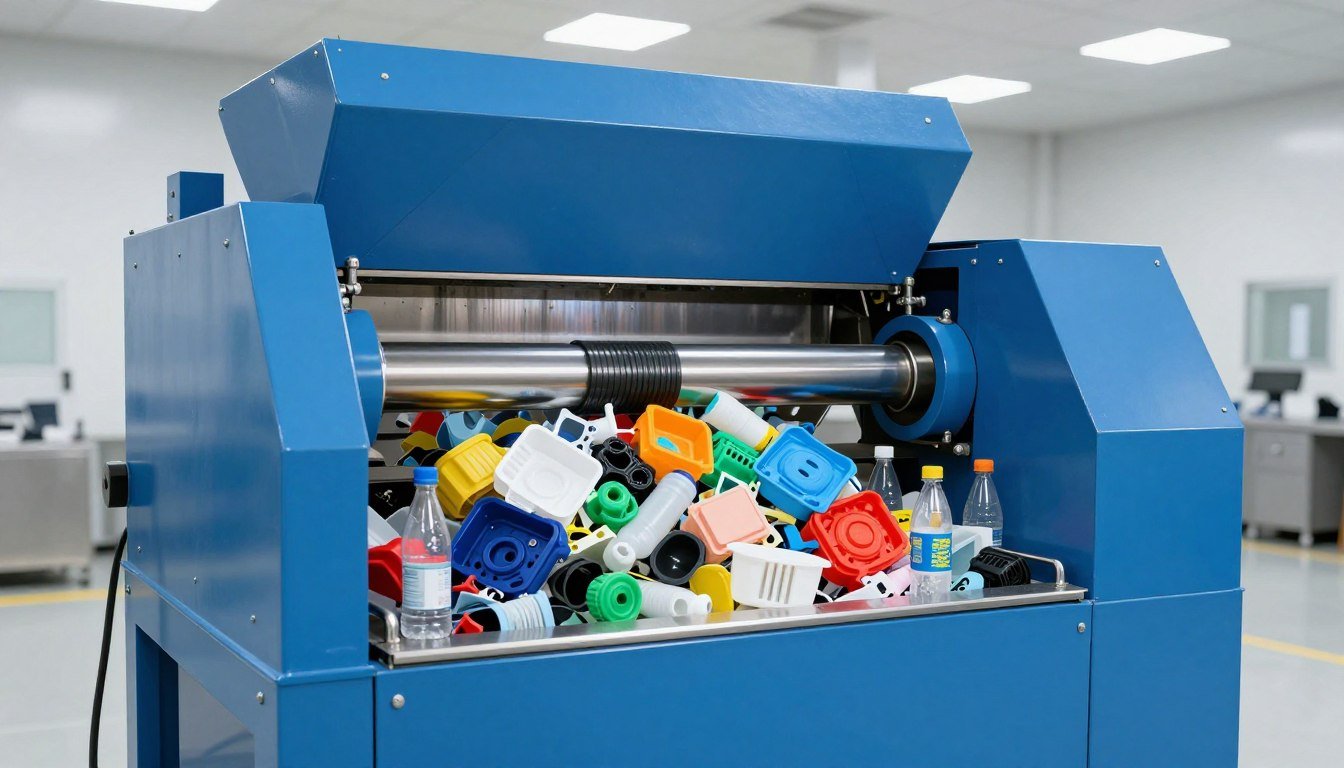
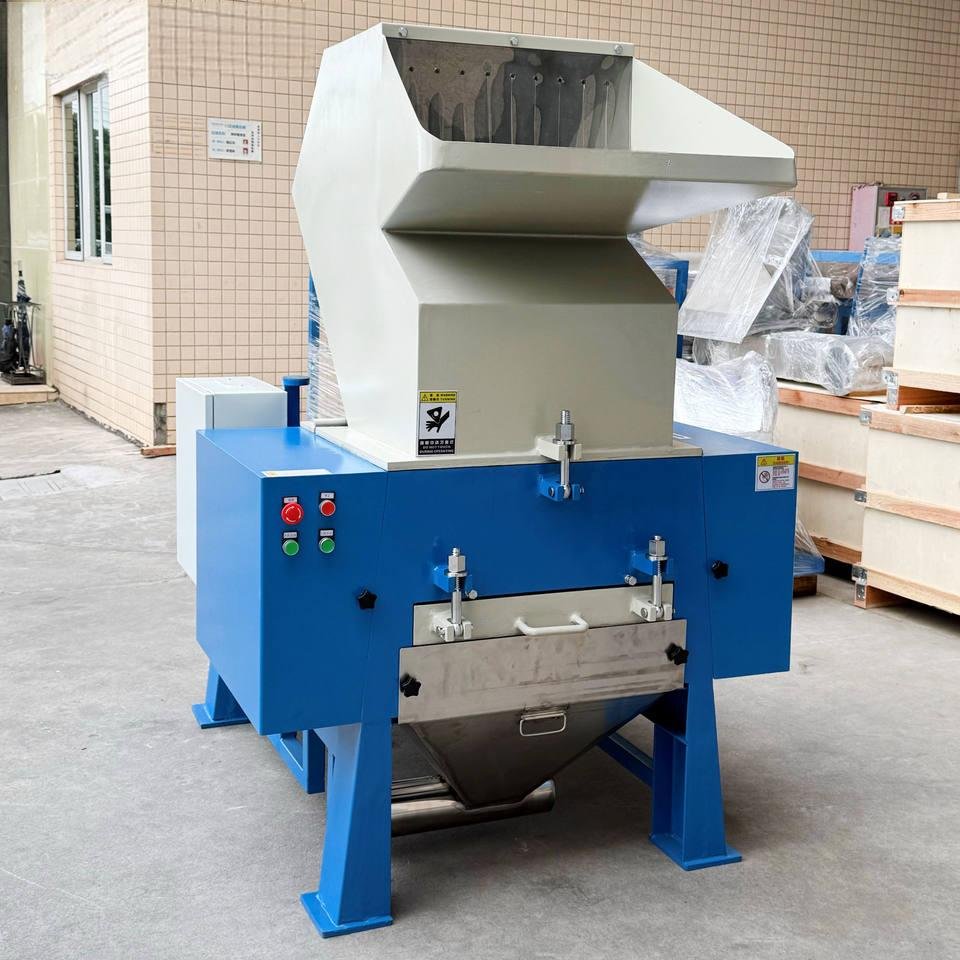
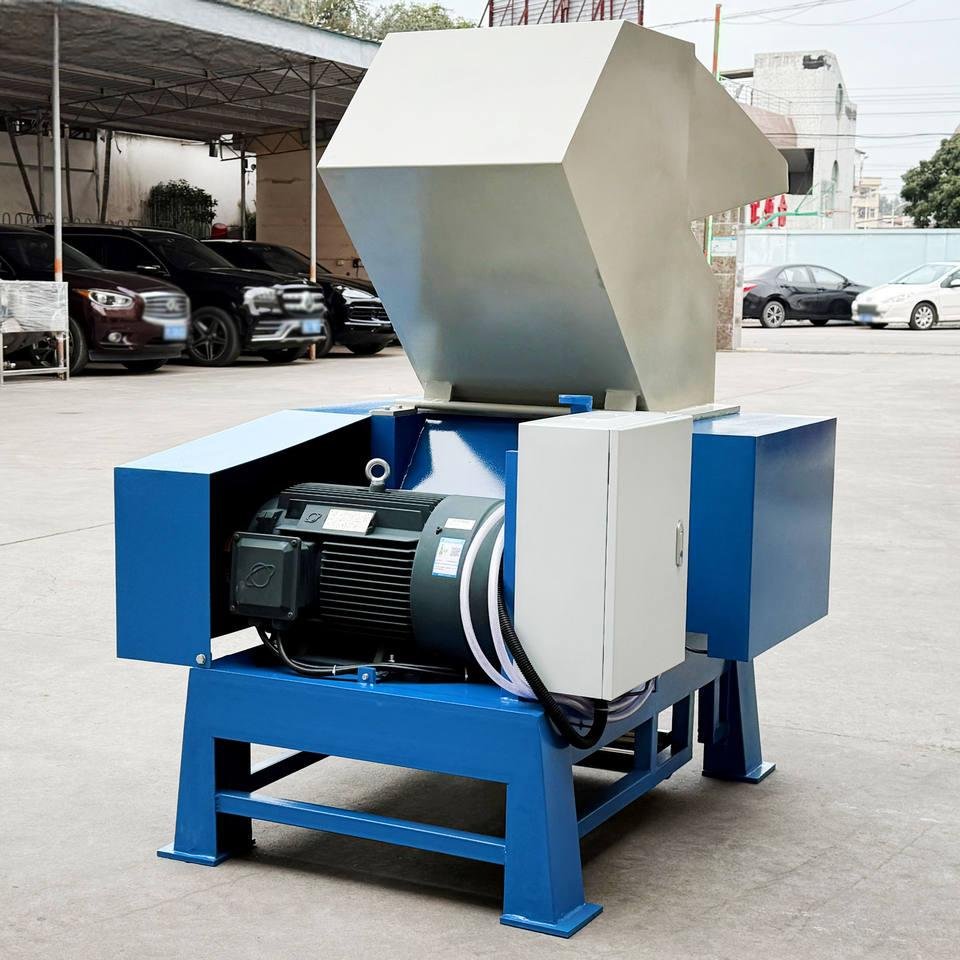
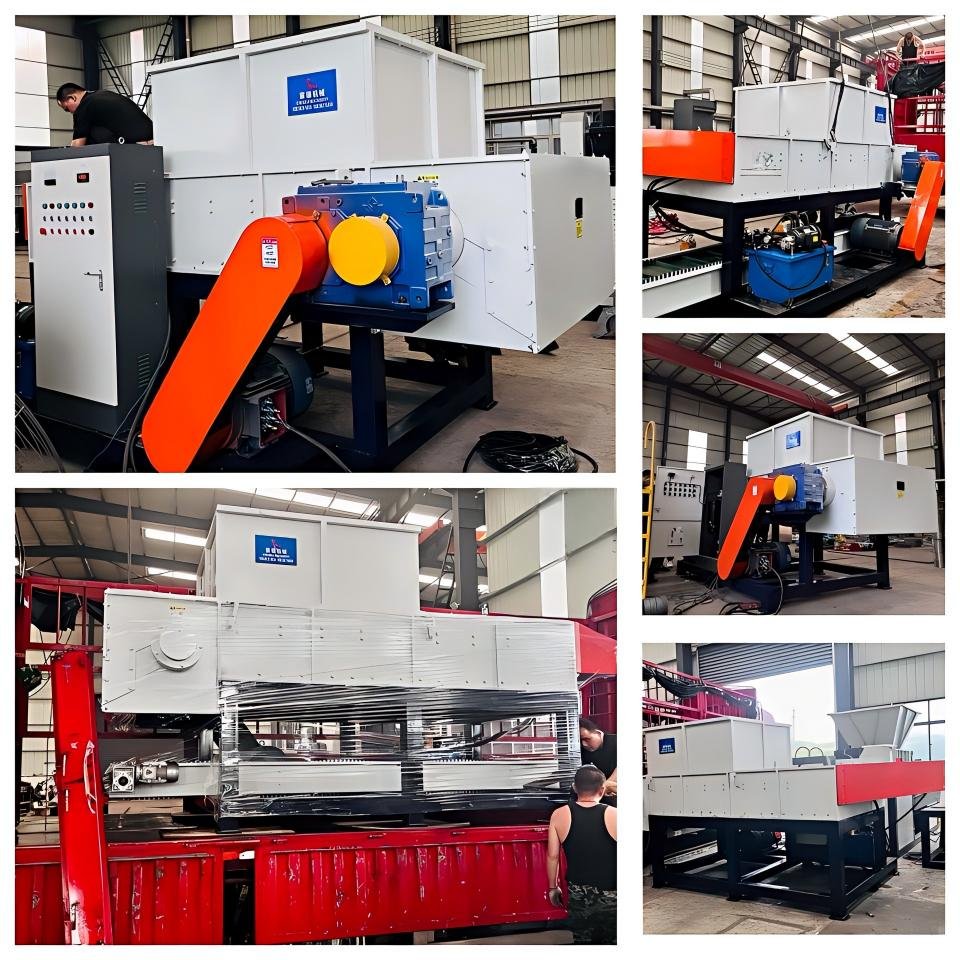
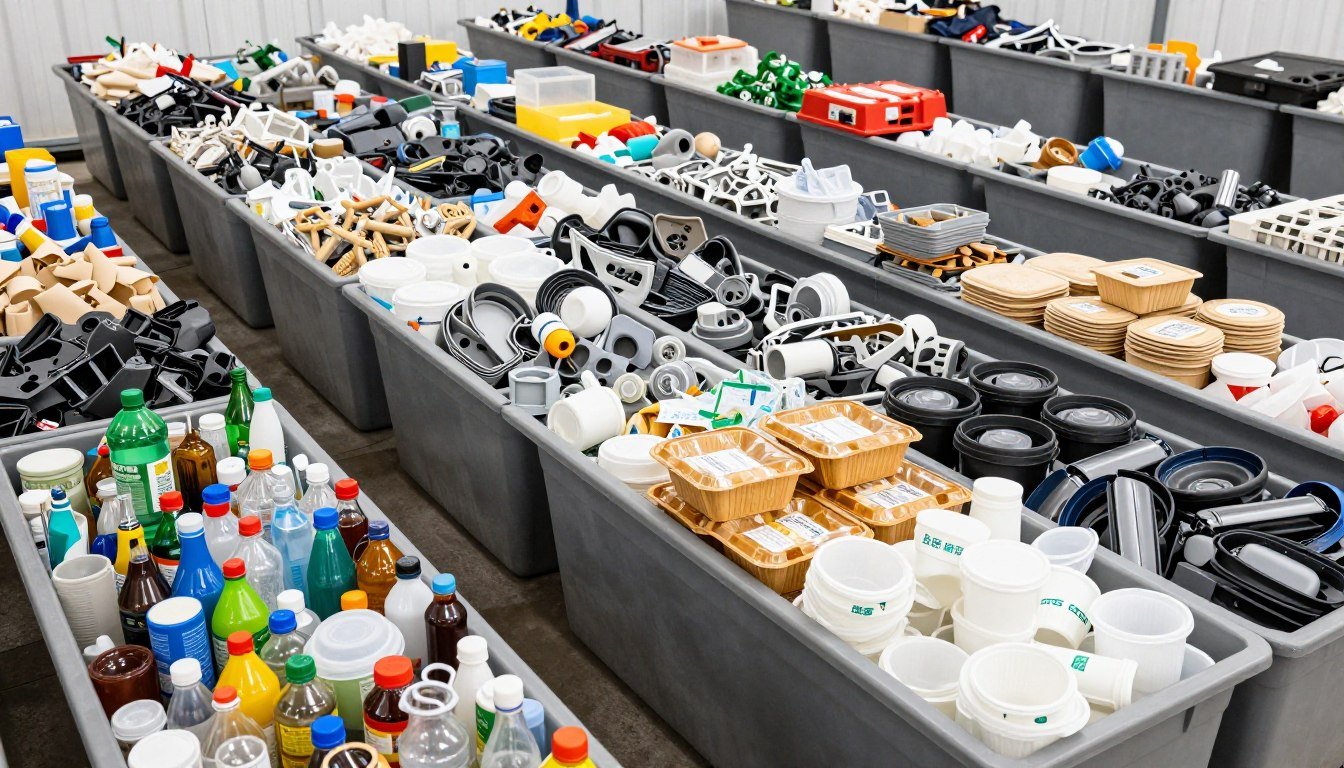
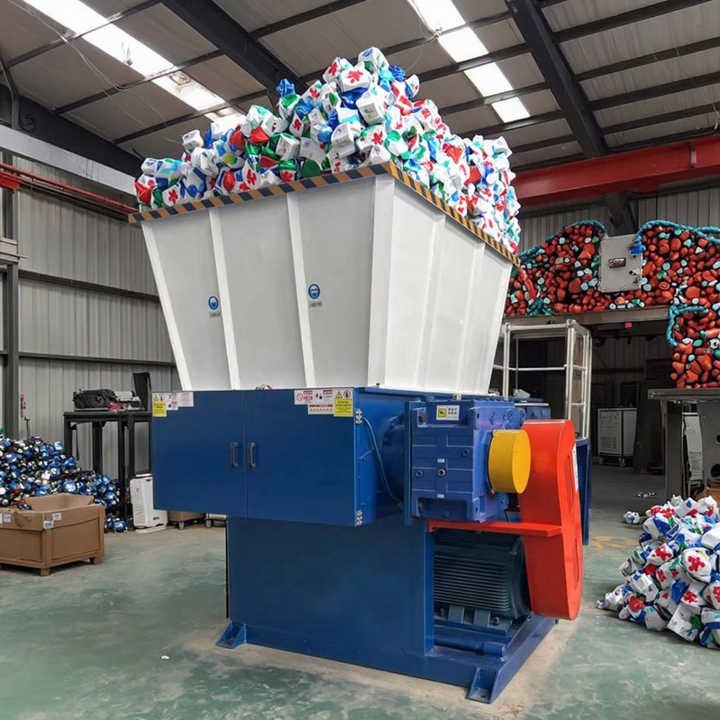
The Philippines generates massive amounts of plastic waste every day. Recycling facilities across Manila, Cebu, and Davao face a critical challenge. How do you process tons of bulky plastic waste efficiently?The answer lies in essential shredding machinery. These powerful industrial shredders transform large plastic items into manageable pieces. This process is vital for successful waste management.
Without proper shredding equipment, recycling plants cannot operate effectively. Plastic bottles, containers, and manufacturing scrap pile up. Storage space fills quickly. Transportation costs soar.
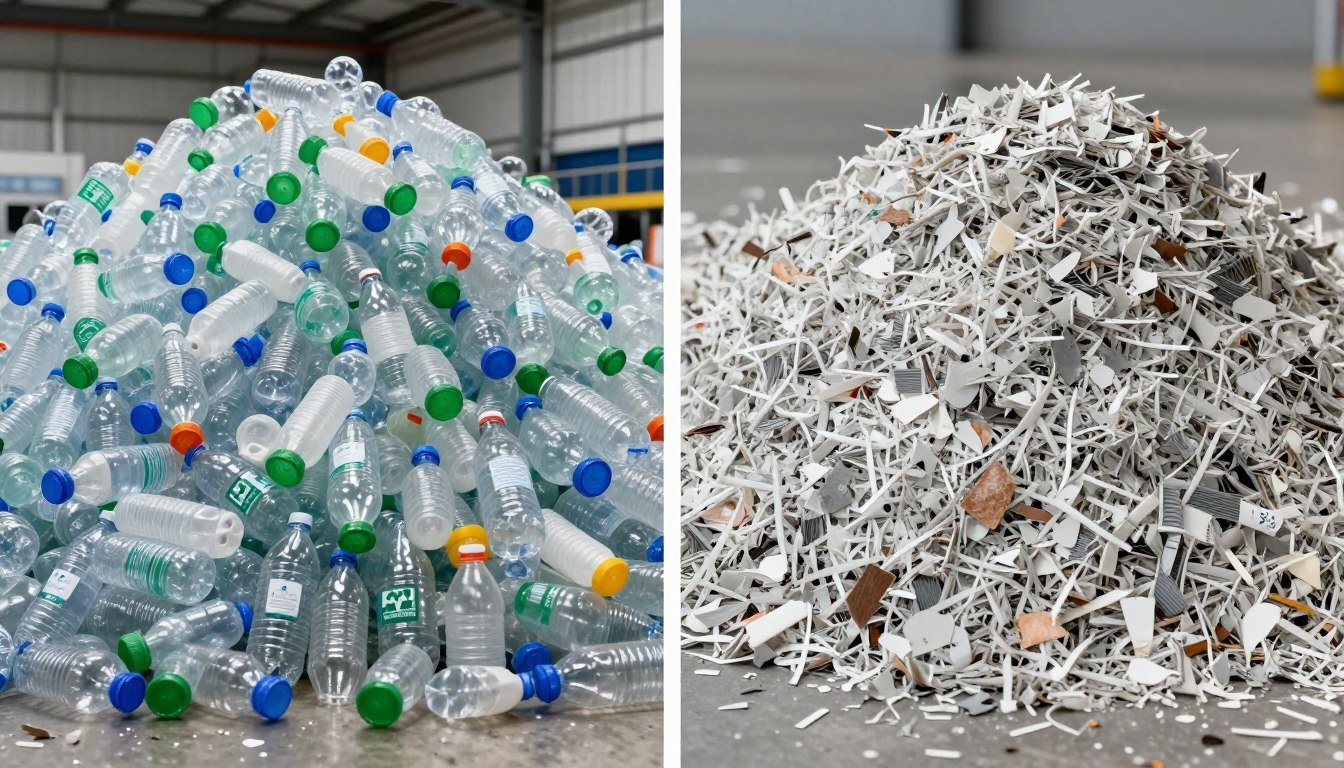
Shredding machines solve these problems. They reduce waste volume by up to 80%. This creates immediate cost savings. Facilities can process more materials in less space.
This comprehensive guide explores everything about shredding technology. You will learn about different types of shredders. We cover applications for various plastics. You will discover how to select the right equipment for your facility.
Whether you operate a large recycling plant or a municipal waste center, this information helps you make informed decisions. We provide real specifications and performance data. No guesswork involved.
What Is Essential Shredding Machinery for E-Waste Recycling?
Essential shredding machinery refers to specialized equipment designed to break down large waste materials into smaller, more manageable pieces. In e-waste recycling plants, these machines handle everything from plastic components to metal casings.
The primary purpose is volume reduction. A single plastic shredder can process hundreds of kilograms per hour. This dramatically increases facility efficiency.
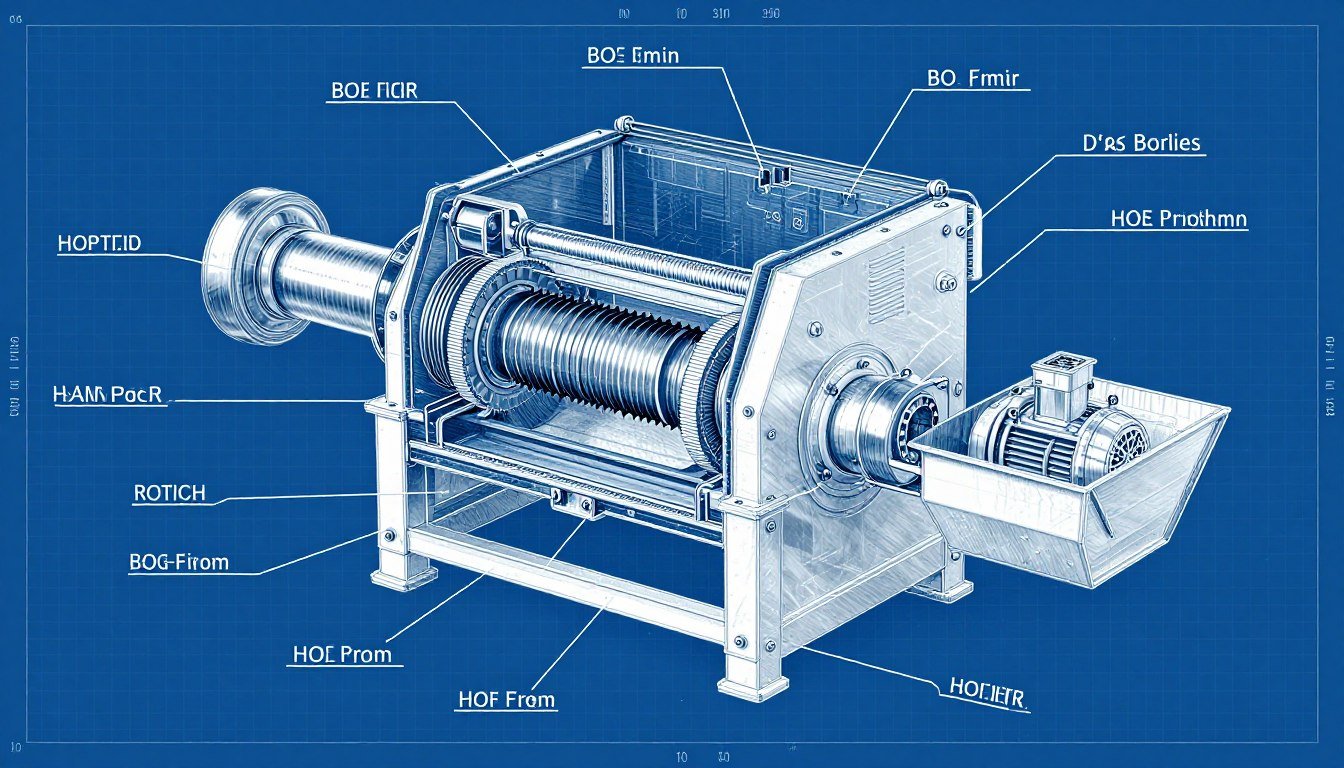
Core Components of Shredding Systems
Every shredder contains several critical parts. Understanding these components helps you evaluate machine quality.
Cutting Chamber
This is where actual shredding happens. The chamber houses rotating blades that tear material apart.
Heavy-duty steel construction
Reinforced walls for durability
Removable screens for different size outputs
Easy access for maintenance
Rotor System
The rotor spins the cutting blades. This component determines processing power.
Single or dual shaft configurations
Variable speed controls
High torque motors
Overload protection systems
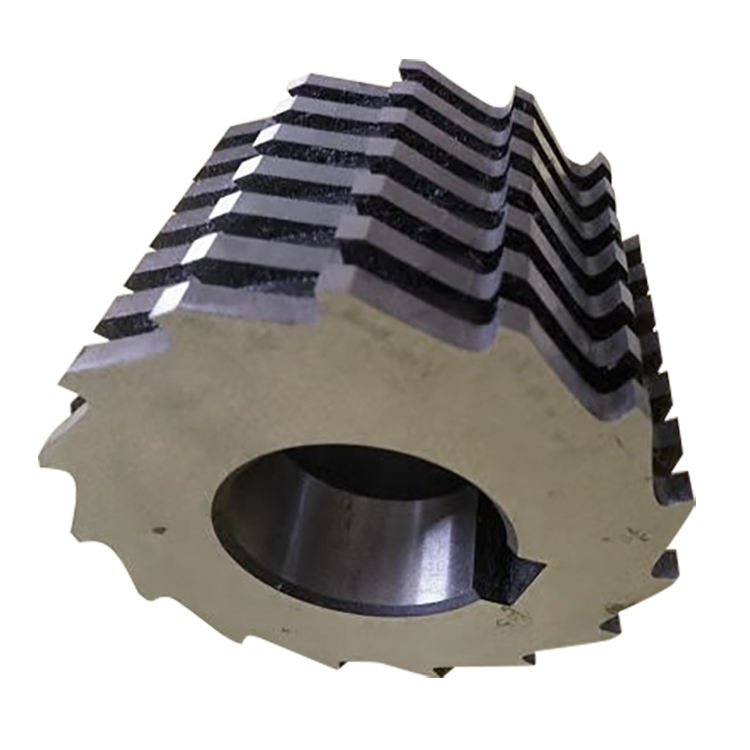
Blade Assembly
Specialized blades made from hardened steel cut through tough materials.
Replaceable cutting edges
Different blade geometries for various materials
Heat-treated alloy construction
Adjustable blade spacing
Feed System
This component controls how material enters the shredder.
Hydraulic or gravity feed options
Adjustable feed rates
Safety interlocks
Anti-jamming features
How Shredding Machines Work
The shredding process follows a systematic approach. Material enters through the hopper. It falls onto rotating blades.
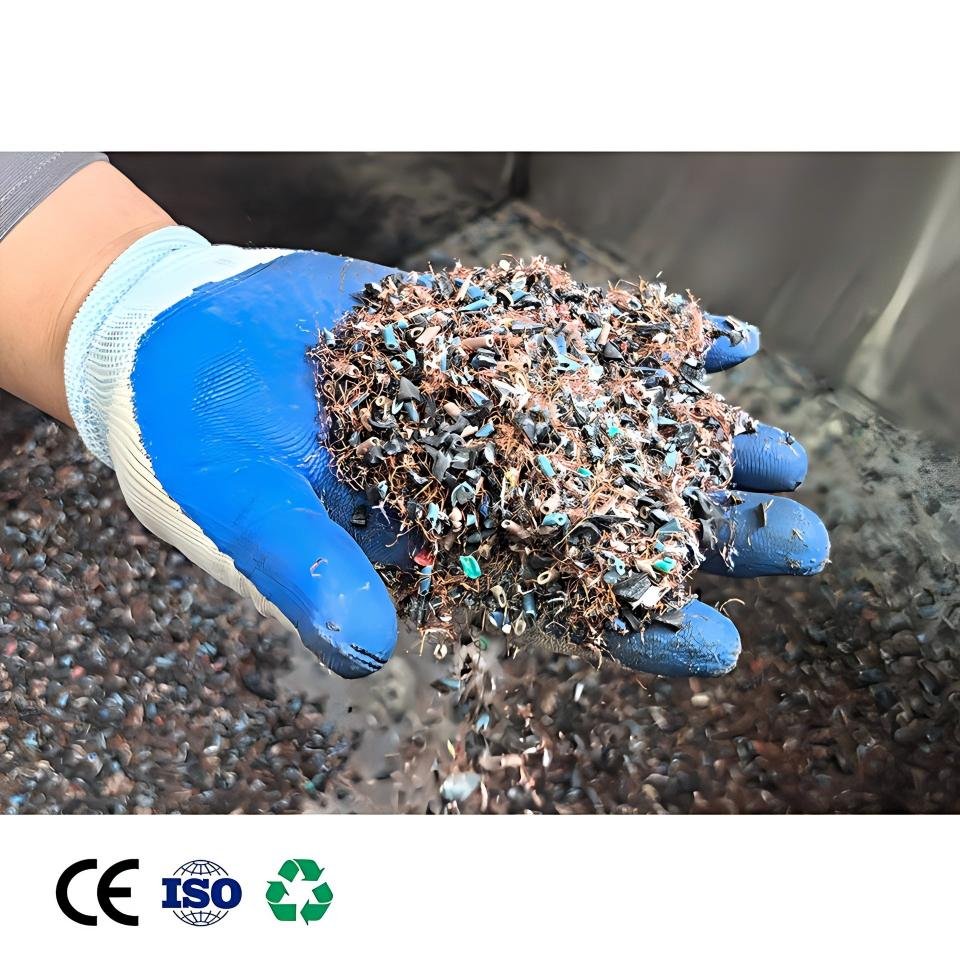
These blades grab and pull the material downward. As the rotor spins, blades tear the material into smaller pieces. The size of these pieces depends on screen settings.
Small pieces fall through the screen. Larger pieces continue cycling until properly reduced. This ensures uniform output size.
Modern plastic shredder machines include sensors. These monitor motor load and material flow. If blockage occurs, the system reverses automatically. This prevents damage and maintains continuous operation.
Why Volume Reduction Matters
Reducing waste volume delivers multiple benefits. Storage requirements decrease significantly. A facility storing whole plastic bottles needs enormous space. The same material shredded occupies 70-80% less room.
Transportation becomes more efficient. Trucks can carry more material when it is compacted. This reduces the number of trips needed. Fuel costs drop accordingly.
Processing downstream operations also improve. Smaller pieces wash more easily. They dry faster. Extrusion and pelletizing equipment handles shredded material more efficiently.
Real-World Impact: A medium-sized facility processing 5 tons of plastic bottles daily can reduce storage space needs from 200 cubic meters to just 40 cubic meters through effective shredding.
Types of Materials Processed
Essential shredding machinery handles diverse waste materials. Each material type requires specific considerations.
Plastic bottles and containers (PET, HDPE, PVC)
Electronic device housings and casings
Metal components from appliances
Paper and cardboard packaging
Rubber components and cables
Mixed municipal waste streams
Industrial manufacturing scrap
Agricultural plastic films
Each material behaves differently during shredding. Hard plastics require more power. Soft films need special blade configurations. Metal components demand heavy-duty construction.
Types of Shredders for Different Applications
Not all shredding machines work the same way. Different designs serve specific purposes. Understanding these differences helps you choose the right equipment.
Single ShaftShredders
Single shaftshredders use one rotating rotor against a fixed cutting bed. This design excels at producing uniform pieces.
The rotor contains multiple cutting blades. It rotates at medium speed, typically 60-120 RPM. Material gets pushed against the cutting bed by a hydraulic ram.
Blades mounted on the rotor cut the material into strips. A screen underneath controls final size. Only properly sized pieces pass through.
Best Applications for Single Shaft Systems
Plastic bottles requiring consistent size
Electronic housings needing uniform processing
Paper and cardboardwaste
Material destined for further processing
High-volume operations requiring steady output
Advantages
Consistent output size
Lower noise levels than dual shaft
Better for clean materials
Higher throughput capacity
Easier size control
Limitations
Cannot handle very hard materials
Requires more maintenance
Screen changes take time
Higher power consumption
More expensive initially
Dual ShaftShredders
Dual shaftshredders employ two counter-rotating rotors. These rotors work together to tear material apart. This design handles tough materials effectively.
Both rotors contain interlocking blades. They rotate at low speeds, usually 20-80 RPM. The slow rotation generates tremendous torque.
Material gets caught between the blades. The interlocking action tears it into pieces. This method works well for contaminated or mixed waste streams.
Ideal Uses for Dual Shaft Technology
Municipal waste with mixed composition
Contaminated plasticwaste
Metal components and housings
Bulky items like furniture
Tires and rubber products
Wood pallets and construction debris
Performance Characteristics
Dual shaft systems excel at primary shredding. They reduce large items to manageable size quickly.
These machines operate at lower speeds but higher torque. This prevents jamming even with difficult materials.
The low-speed operation also reduces noise. Many facilities prefer this for residential areas.
Maintenance Requirements
Blade replacement happens less frequently. The low-speed design reduces wear.
However, regular inspection remains important. Check blade gaps and alignment monthly.
Lubrication of bearings follows manufacturer schedules. Most systems need attention every 500 operating hours.
Plastic Grinder Systems
A plastic grinder differs from a shredder. Grinders produce finer output. They often serve as secondary processing equipment.
Grinders use multiple rotating blades against stationary blades. This scissor-like action creates clean cuts. The result is uniform granules.
Most grinders include screens with small holes. This ensures consistent particle size. Output typically measures 8-20mm.
When to Use Plastic Grinding Machine Technology
Post-shredding size reduction
Clean plastic scrap from manufacturing
Film and sheet materials
Material preparation for extrusion
Producing regrind for injection molding
Plastic Crusher Machine Applications
The term plastic crusher machine often refers to heavy-duty grinders. These handle rigid plasticproducts.
Crushers work well for thick-walled containers. They also process plastic pipes and profiles. The robust construction withstands high impact forces.
Many facilities use crushers for injection molding runners. They convert production waste back into usable material. This reduces raw material costs significantly.
Crusher Performance Metrics
Application Type
Typical Capacity (kg/hr)
Output Size (mm)
Power Range (kW)
Bottle crushing
300-500
12-15
15-22
Pipe crushing
200-400
15-20
22-37
Profile crushing
250-450
10-18
18.5-30
Film crushing
150-300
8-12
11-18.5
Specialized Shredder Configurations
Beyond standard designs, specialized shredders serve niche applications. Understanding these options expands your processing capabilities.
Four ShaftShredders
These systems combine two sets of dual shaft rotors. The first pair performs primary shredding. The second pair reduces material further.
Four shaft designs produce more uniform output than dual shaft alone. They eliminate the need for secondary processing in many cases.
However, these machines cost more and require more space. Consider them only for high-volume operations needing consistent size control.
Vertical Shredders
Vertical designs feature a top-mounted hopper feeding downward. This configuration saves floor space.
Gravity assists the feeding process. Less power is needed to move material into cutting blades.
These units work well in facilities with limited floor area. They are common in urban recycling centers where space comes at a premium.
Mobile Shredding Units
Some applications require portable equipment. Mobile shredders mount on trailers or trucks.
These units bring processing capacity directly to waste sources. This eliminates transportation of bulky unprocessed material.
Construction sites and temporary recycling operations benefit from mobile systems. They also serve disaster cleanup and special events.
Meet MAIKONG: Your Trusted Partner in Shredding Solutions
MAIKONG manufactures professional-grade plastic shredder equipment specifically designed for the Philippine market. With manufacturing facilities in Guangdong, Shenzhen, we combine advanced engineering with practical solutions. Our machines handle everything from small-scale operations to large industrial facilities.
We understand the unique challenges faced by businesses in the Philippines. That is why we offer complete local language support, customizable OEM/ODM solutions, and comprehensive after-sales service. Whether you need a mini plastic shredder machine or a full industrial plastic shredder system, MAIKONG delivers reliable performance at competitive prices.
Industry Applications for Essential Shredding Machinery
Different industries face unique waste challenges. The right shredding solution depends on your specific needs. Let us explore how various sectors benefit from these machines.
Large PlasticRecycling Plants
Major recycling facilities process hundreds of tons monthly. These operations require robust industrial shredders.
A typical large plant runs multiple shredding lines. Each line handles specific material types. Bottle lines separate from rigid container processing.
High-capacity dual shaftshredders form the backbone of these operations. They run continuously, processing 1,000-2,000 kilograms per hour.
Equipment Configuration for Large Plants
Primary shredding: 1600mm dual shaft units
Secondary processing: 1000mm single shaftshredders
Finishing: Heavy-duty plastic grinding machine systems
Equipment selection balances capacity with flexibility. A single versatile shredder often handles multiple material types.
The 800-1000mm shreddersize proves most popular. It processes mixed plastic streams efficiently while remaining manageable.
Typical Processing Mix
40% plastic bottles (PET, HDPE)
25% rigid containers
15% film and flexible packaging
10% mixed plastics
10% other materials
Recommended Equipment
800mm dual shaft primary shredder
Plastic grinder for size reduction
Manual or semi-automatic feeding
Basic conveyor systems
Simple dust control
Plastic Bottle Shredder Operations
Bottle recycling represents a major segment. PET bottles from beverages require specific handling.
A dedicated plastic bottle shredder produces consistent flakes. These flakes wash easily and dry quickly. Quality improves significantly compared to mixed processing.
Most bottle operations prefer single shaftshredders with screens. This produces 12-15mm flakes ideal for washing and pelletizing.
Bottle Shredding Process Flow
Collection and sorting by color
Label and cap removal (optional)
Primary shredding to reduce size
Washing to remove contaminants
Secondary grinding for uniform size
Drying and packaging
Manufacturing Waste Management
Factories producing plasticproducts generate significant scrap. Injection molding creates runners and rejects. Thermoforming produces trim waste.
On-site shredding converts this waste into reusable regrind. Many manufacturers achieve 20-30% materialcost savings through effective recycling.
A small plastic shredder or mini plastic shredder machine suits most manufacturing applications. These compact units fit directly on the production floor.
Manufacturing Applications by Sector
Industry Sector
Common Waste Types
Recommended Shredder
Typical ROI Period
Food packaging
Containers, lids, trays
600mm single shaft
8-12 months
Plastic toys
Molding rejects, runners
Plastic crusher machine
6-10 months
Automotive parts
Bumpers, dashboards
800mm dual shaft
10-15 months
Electronics
Housings, casings
600mm dual shaft
12-18 months
Pipe manufacturing
End cuts, rejects
Plastic grinder
7-11 months
Municipal Waste Management
Cities and towns face growing waste challenges. Municipal facilities process mixed waste streams from households and businesses.
These operations require versatile equipment. A single machine must handle plastic, paper, cardboard, and sometimes metal.
Dual shaftshredders prove most suitable. Their low-speed, high-torque design handles contamination and variety effectively.
Municipal Processing Challenges
Mixed material composition
Contamination from food waste
Variable material sizes
Presence of non-recyclable items
Seasonal volume fluctuations
Limited operating budgets
Medical and Hospital Waste
Healthcare facilities generate plasticwaste requiring special handling. This includes non-infectious items like bottles, packaging, and containers.
Shredding reduces volume before disposal. It also ensures sensitive information destruction. Many facilities shred prescription bottles and patient documents together.
Important: Medical wasteshredding must comply with local health regulations. In the Philippines, follow Department of Health guidelines for waste segregation and processing. Never mix infectious waste with general plasticrecycling streams.
Agriculture Film Recycling
Farmers use extensive plastic sheeting for crop protection. After use, this film becomes bulky waste.
Specialized shredders handle agricultural film. These feature larger hoppers and special blade designs. The film tends to wrap around rotors, so anti-wrapping features prove essential.
Processing this material creates valuable recycled plastic. Many facilities pelletize the shredded film for resale to manufacturers.
MAIKONG Plastic Shredder Product Range
MAIKONG offers comprehensive shredding solutions for every application. Our product line covers small workshops to large industrial plants. Each machine undergoes rigorous testing before shipment.
Industrial Plastic Shredder
Our flagship heavy-duty series handles the toughest applications. These machines process 800-2000 kilograms per hour. Built with reinforced frames and premium components.
Dual shaft configuration
45-132kW motor options
Blade diameter 400-650mm
Siemens PLC control system
Automatic reverse protection
Ideal for: Large recycling plants, municipal waste centers, high-volume operations
Plastic Bottle Shredder
Specialized for PET and HDPE bottle processing. Single shaft design produces uniform 12-15mm flakes. Perfect for beverage bottle recycling operations.
Capacity: 300-800 kg/hr
Adjustable screen sizes
Low noise operation
Easy screen changing
Minimal fines generation
Ideal for: Bottle recycling centers, beverage companies, PET washing lines
Small Plastic Shredder
Compact design for medium-volume applications. Fits in limited spaces while delivering reliable performance. Popular choice for growing businesses.
Processing: 200-500 kg/hr
600-800mm working width
15-37kW motors
Economical operation
Quick installation
Ideal for: Medium waste centers, manufacturing plants, startup recycling operations
Mini Plastic Shredder Machine
Entry-level solution for small operations. Perfect for workshops and small manufacturers. Processes production scrap efficiently.
Output: 100-300 kg/hr
Compact 600mm design
11-22kW power requirement
Simple operation
Affordable investment
Ideal for: Small workshops, injection molding shops, prototype facilities
Plastic Grinder Systems
Precision grinding for fine material reduction. Produces consistent granules for extrusion and molding. Clean cutting action preserves material quality.
Output size: 8-20mm
Multiple blade configurations
Sound-dampened housing
Screen quick-change system
Minimal dust generation
Ideal for: Secondary processing, material preparation, quality regrind production
Plastic Shredder Parts
Comprehensive spare parts inventory ensures minimal downtime. All components manufactured to exact specifications. Fast shipping throughout the Philippines.
Replacement blades (all models)
Screens and grates
Bearings and seals
Motors and controls
Hydraulic components
Benefit: Keep your equipment running at peak efficiency with genuine MAIKONG parts
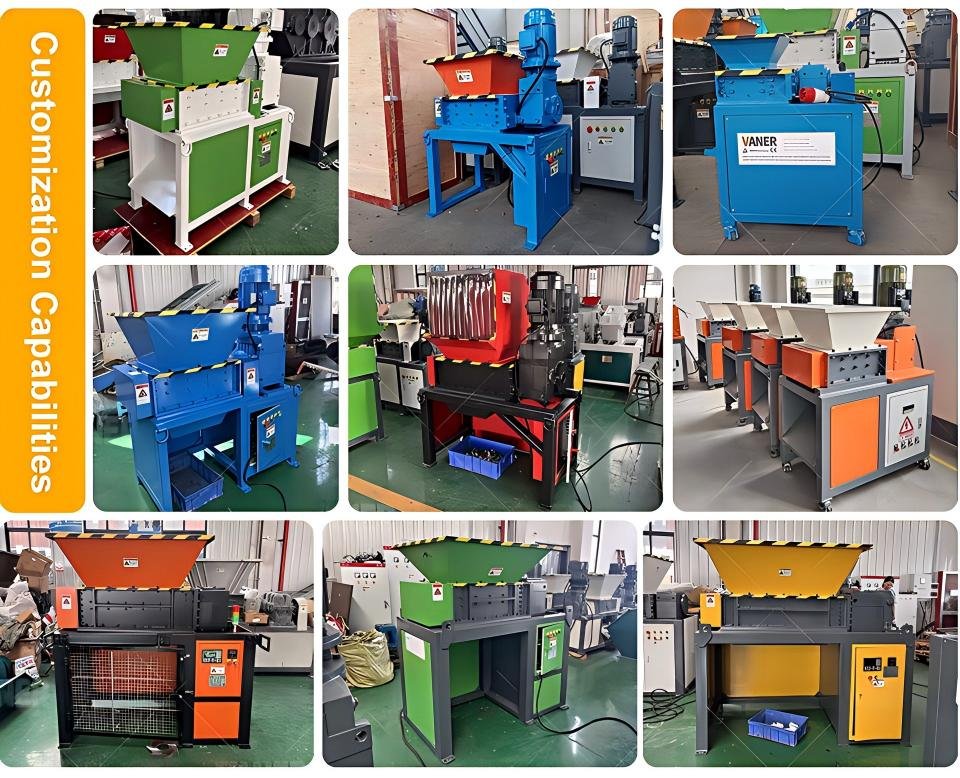
Customization and OEM/ODM Services
MAIKONG understands that standard machines do not fit every application. We offer extensive customization options.
Available Customizations
Technical Modifications
Custom hopper sizes
Special blade configurations
Alternative power systems
Enhanced safety features
Specific screen patterns
Dust collection integration
Branding Options
Custom color schemes
Your company logo
Branded control panels
Private labeling
Custom documentation
Packaging preferences
Why Choose MAIKONG Equipment?
Our machines deliver superior value through careful engineering. We focus on reliability, efficiency, and operator safety.
4.8
Overall Customer Rating
Build Quality
4.8/5
Performance
4.7/5
Value for Money
4.9/5
Customer Support
4.6/5
Ease of Maintenance
4.5/5
MAIKONG Advantages
Premium components from trusted brands (Siemens, ABB, Schneider)
Competitive pricing with excellent ROI
Comprehensive warranty coverage
Local language technical support
Fast parts availability in Philippines
Proven track record across Asia
Energy-efficient designs reduce operating costs
Extensive customization options
Partner Benefits
Generous profit margins for dealers
Marketing support and materials
Technical training programs
Flexible payment terms
Territory protection options
Co-branding opportunities
Demo equipment programs
Ongoing business development support
Technical Specifications and Performance Standards
Understanding technical specifications helps you select appropriate equipment. MAIKONG provides complete transparency on all performance metrics.
Standard Model Specifications
Our core product line covers most applications. Each model undergoes factory testing before shipment.
Model
Blade Diameter (mm)
Motor Power (kW)
Capacity (kg/hr)
Dimensions L×W×H (mm)
Weight (kg)
MAIKONG-600
220
11-15 × 2
150-300
2500×1100×1600
1200
MAIKONG-800
300
18.5-22 × 2
300-600
3000×1400×1800
2400
MAIKONG-1000
400
37-45 × 2
600-1000
3900×1800×2200
4500
MAIKONG-1200
400
45-55 × 2
800-1400
4100×1800×2300
5200
MAIKONG-1600
500
75 × 2
1200-2000
5400×2400×2600
8500
Performance Characteristics
Beyond basic specifications, several factors determine real-world performance. MAIKONG engineers optimize these parameters for Philippine conditions.
Power Efficiency
Our machines consume less electricity than comparable models. Advanced motor controls adjust power based on load. During light processing, consumption drops significantly.
Typical power consumption runs 60-75% of rated motor capacity. This translates to substantial cost savings over the equipment lifespan.
Example Calculation: A MAIKONG-1000 with 45kW motors typically draws 30-35kW during normal operation. Running 8 hours daily at PHP 6 per kWh, this saves approximately PHP 2,400 monthly compared to less efficient designs.
Throughput Rates
Stated capacity assumes clean, dry material of average density. Actual throughput varies based on several factors.
Material type and density
Moisture content
Contamination levels
Feed method (manual vs. automatic)
Desired output size
Operator experience
MAIKONG provides conservative capacity ratings. Most installations exceed specified throughput with proper operation.
Noise Levels
Industrial shredders generate significant noise. MAIKONG employs sound-dampening measures to minimize this issue.
Our dual shaft models operate at 75-85 dB at 1 meter distance. Single shaft units run slightly louder at 80-90 dB. Both levels comply with Philippine workplace safety regulations.
Additional sound enclosures reduce noise by 10-15 dB. We recommend these for urban installations or noise-sensitive areas.
Component Quality Standards
MAIKONG uses only premium components. This ensures long service life and minimal maintenance.
Blade Material and Construction
Cutting blades undergo special heat treatment. We use high-carbon alloy steel with hardness rating HRC 55-60.
Each blade features replaceable cutting tips. When worn, you replace just the tips rather than entire blades. This reduces maintenance costs significantly.
Typical blade life ranges from 800-1500 operating hours depending on material processed. Harder plastics cause faster wear than soft materials.
Drive System Components
We source motors from globally recognized manufacturers. Siemens, ABB, and WEG motors power our equipment.
Gearboxes come from specialized European and Japanese suppliers. These heavy-duty reducers handle shock loads effectively.
All drive components include safety overload protection. If the shredder jams, the system reverses automatically. This prevents mechanical damage.
Electrical and Control Systems
Schneider Electric components form the backbone of our electrical systems. Control panels include industrial-grade PLCs.
The PLC monitors multiple parameters continuously. Motor current, temperature, and vibration levels receive constant attention.
If abnormal conditions occur, the system alerts operators. Critical issues trigger automatic shutdown. This protects both equipment and personnel.
Safety Features and Certifications
Operator safety remains our top priority. Every MAIKONG shredder includes comprehensive safety systems.
Standard Safety Features
Emergency stop buttons (multiple locations)
Hopper safety grates prevent hand entry
Electrical interlocks on access doors
Overload protection systems
Thermal protection on motors
Magnetic separators protect from metal
Anti-jam reversing function
Enclosed drive components
Optional Safety Enhancements
Light curtains for hopper area
Remote monitoring systems
Fire suppression integration
Dust explosion prevention
Lockout/tagout stations
Video monitoring systems
Automatic fire detection
Grounding fault protection
Environmental Performance
Modern shredding equipment must minimize environmental impact. MAIKONG designs prioritize sustainability.
Energy Consumption
Our machines achieve industry-leading efficiency ratings. Variable frequency drives optimize power use constantly.
During idle periods, motors drop to minimal speed. This standby mode consumes less than 10% of full power. Over a year, this saves thousands of kilowatt-hours.
Dust and Emissions Control
Shredding generates fine dust particles. Without control, these create health hazards and contamination.
MAIKONG machines integrate with dust collection systems easily. We provide mounting points and ductwork connections.
A properly designed dust system captures 95-98% of airborne particles. This protects workers and maintains clean facilities.
Optional acoustic enclosures lower noise to 65-70 dB at property boundaries. This meets the strictest urban regulations.
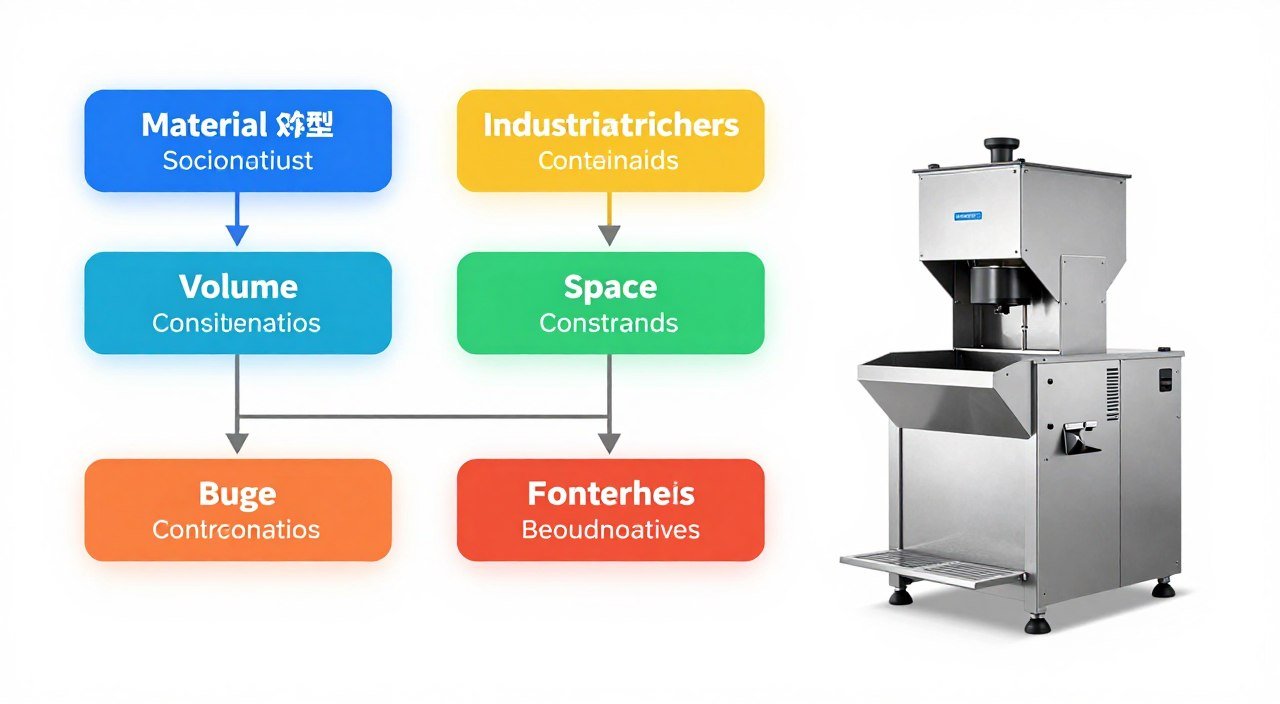
How to Select the Right Essential Shredding Machinery
Choosing appropriate equipment requires careful analysis. Consider multiple factors beyond just price. The wrong machine wastes money and causes frustration.
Step 1: Assess Your Material Stream
Start by analyzing what you will process. Different materials require different approaches.
Material Characterization Questions
What plastic types will you process? (PET, HDPE, PP, PVC, mixed)
What forms do materials take? (bottles, film, rigid parts, mixed)
How clean is incoming material? (sorted, contaminated, mixed with other waste)
What is the largest item size? (determines hopper dimensions)
What moisture content exists? (wet materials process differently)
Are there metal contaminants present? (requires magnetic separation)
Understanding your material stream guides equipment selection. A facility processing clean PET bottles needs different equipment than one handling mixed municipal waste.
Step 2: Calculate Required Capacity
Determine how much material you must process. Be realistic about volumes and growth projections.
Safety Factor: Use 1.3-1.5 to account for inefficiencies, downtime, and growth
Example: Processing 2,000 kg daily over 8 hours with 1.4 safety factor requires: (2,000 × 1.4) ÷ 8 = 350 kg/hr minimum capacity
Never select a shredder operating at maximum rated capacity continuously. This accelerates wear and increases breakdown risk. Choose equipment with 20-30% excess capacity.
Step 3: Determine Output Requirements
What happens to material after shredding? This affects output size selection.
Pelletizing requires 10-15mm particles
Washing operations handle 12-20mm effectively
Volume reduction for disposal accepts 30-50mm
Direct reuse in manufacturing needs 8-12mm uniform granules
Single shaftshredders with screens provide tighter size control. Dual shaft units produce wider size distribution. Choose based on downstream process requirements.
Step 4: Evaluate Space Constraints
Physical space limits equipment options. Measure your available area carefully.
Space Planning Considerations
Area Requirement
Minimum Clearance
Purpose
Front of hopper
2.5-3m
Forklift or loader access
Rear discharge
1.5-2m
Conveyor or collection access
Side access
1.2-1.5m
Maintenance and inspection
Overhead clearance
3.5-4m
Crane access for major repairs
Compact models like the small plastic shredder or mini plastic shredder machine suit limited spaces. Larger operations benefit from full-size industrial plastic shredder systems despite greater footprint.
Step 5: Budget Analysis
Look beyond initial purchase price. Total cost of ownership includes many factors.
Complete Cost Breakdown
Initial Investment
Machine purchase price
Shipping and import duties
Installation and commissioning
Auxiliary equipment (conveyors, etc.)
Electrical infrastructure
Operator training
Ongoing Operational Costs
Electricity consumption
Blade replacement
Routine maintenance
Spare parts inventory
Operator labor
Facility overhead allocation
MAIKONG equipment offers excellent value. Our competitive plastic shredder machine price philippines positioning delivers fast return on investment.
Most customers recover their investment within 12-24 months through materialcost savings and increased processing efficiency.
Step 6: Consider Future Needs
Business grows and changes. Select equipment accommodating future expansion.
Can the machine handle increased volume?
Does design permit add-on features later?
Will it process additional material types you might handle?
Can you upgrade motors or blades for better performance?
Does the manufacturer offer larger models you can add later?
MAIKONG designs support modular expansion. Many customers start with one unit and add capacity as business grows.
Common Selection Mistakes to Avoid
Learn from others’ errors. These mistakes cause the most problems.
Warning: Undersizing equipment is the most common error. A shredder running at maximum capacity constantly breaks down frequently. Always include buffer capacity in your selection.
Other Frequent Mistakes
Focusing only on purchase price, ignoring operating costs
Selecting based on maximum capacity rather than sustained throughput
Inadequate space planning causing operational difficulties
Neglecting power supply requirements and upgrade costs
Choosing incompatible output size for downstream processes
Underestimating maintenance requirements and costs
Buying from suppliers without local support
MAIKONG Selection Support
Choosing the right shredder requires expertise. MAIKONG provides comprehensive selection assistance at no charge.
Our engineers analyze your specific situation. We consider all factors mentioned above. Then we recommend the optimal solution for your needs.
This service includes detailed ROI calculations. You will understand exactly when your investment pays back. No hidden costs or surprises.
Get Expert Equipment Selection Advice
Contact our technical team for personalized recommendations. We help you avoid costly mistakes and select the perfect shredding solution. Our engineers have decades of combined experience in Philippine waste management applications.
Proper operation extends equipment life dramatically. Follow these guidelines for optimal performance.
Pre-Operation Checklist
Never start a shredder without completing these checks. This simple routine prevents most problems.
Inspect hopper area for foreign objects or obstructions
Verify all safety guards and covers are properly installed
Check emergency stop buttons function correctly
Examine blades for visible damage or excessive wear
Confirm proper screen installation and condition
Test rotation direction before adding material
Verify adequate lubrication in all required points
Check electrical connections for tightness
Clear discharge area of obstructions
Review control panel for error messages
This inspection takes just 5-10 minutes. It prevents hours of downtime from preventable issues.
Optimal Feeding Techniques
How you feed material affects productivity and equipment life. Poor feeding practices cause jams and accelerated wear.
Feeding Best Practices
Feed material steadily, not in large slugs
Distribute material across hopper width evenly
Avoid overloading the chamber
Remove obvious contaminants before feeding
Keep consistent feed rate for stable operation
Monitor motor current to avoid overload
Use automatic feeding when possible for consistency
Manual feeding requires operator attention. Watch and listen to the machine. Changes in sound or motor current indicate issues.
Automatic feed systems maintain optimal rates. They reduce operator dependence and improve consistency.
Routine Maintenance Schedule
Preventive maintenance costs far less than breakdown repairs. Follow this schedule religiously.
Daily Maintenance Tasks
Clean hopper and surrounding area
Remove accumulated dust and debris
Visual inspection of blades and screens
Check for unusual noise or vibration
Verify safety systems function properly
Empty collection bins before overfilling
Weekly Maintenance Requirements
Detailed blade inspection for wear or damage
Check all fasteners for proper torque
Lubricate required points per manufacturer schedule
Inspect drive belts for wear and tension
Clean cooling fans and air passages
Test emergency stops and interlocks
Review hour meter and log operating time
Monthly Maintenance Procedures
Measure blade gaps and adjust if needed
Check rotor bearing condition
Inspect electrical connections
Clean or replace air filters
Test overload protection systems
Examine screens for wear or damage
Check hydraulic system (if equipped)
Update maintenance log with all findings
Quarterly Major Service
Complete electrical system inspection
Bearing lubrication or replacement
Blade sharpening or replacement
Screen replacement if worn
Drive alignment verification
Motor insulation testing
Control system diagnostics
Safety system comprehensive test
MAIKONG Support: All MAIKONG customers receive detailed maintenance manuals in English and Filipino. We also offer video training for your maintenance staff. This ensures your team can service equipment properly.
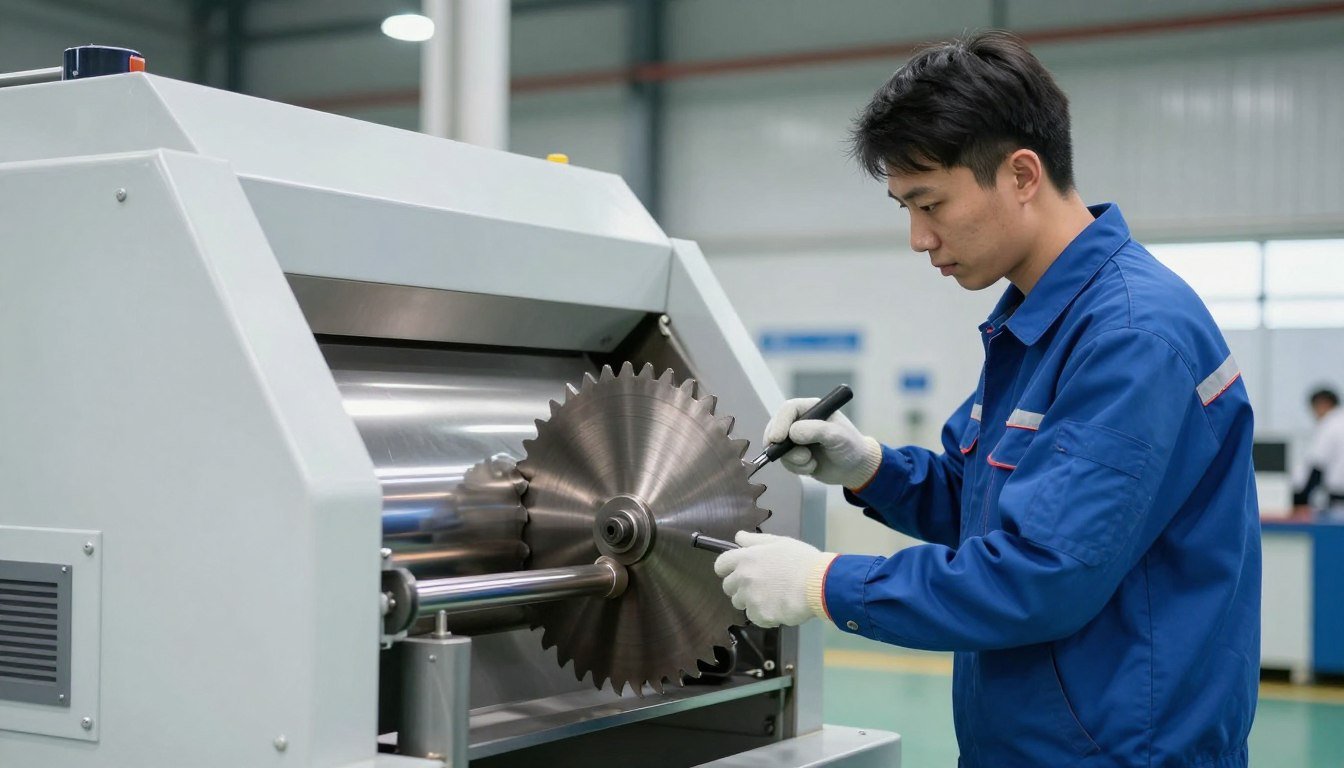
Blade Maintenance and Replacement
Blades represent the most critical wear component. Proper care maximizes their lifespan.
Signs Blades Need Attention
Decreased throughput with same feed rate
Increased motor current draw
Larger output particle size
More dust generation
Unusual noise during operation
Visible nicks or rounding on cutting edges
MAIKONG blades feature replaceable cutting tips. You can replace just the worn portion. This costs much less than replacing entire blades.
Blade Replacement Process
Lockout and tag electrical power supply
Allow rotor to come to complete stop
Remove access covers per manual instructions
Document blade positions and orientations
Remove worn blades or tips systematically
Clean mounting surfaces thoroughly
Install new blades following torque specifications
Verify proper blade gap settings
Test rotation manually before power-up
Run equipment empty briefly before loading
MAIKONG provides detailed video instructions for blade changes. Most operators complete the task in 2-4 hours with proper training.
Troubleshooting Common Issues
Even well-maintained equipment occasionally develops problems. Quick diagnosis minimizes downtime.
Symptom
Likely Cause
Solution
Machine will not start
Emergency stop engaged, door interlock open, power issue
Check all safety devices, verify power supply
Frequent jamming
Overfeeding, worn blades, wrong material type
Reduce feed rate, inspect blades, verify material suitability
Stop and inspect, remove foreign material, check all fasteners
Safety Protocols During Operation
Operator safety cannot be compromised. Enforce these rules strictly.
Mandatory Safety Procedures
Never reach into hopper during operation
Always use push sticks or tools to move material
Wear required personal protective equipment (hearing protection, safety glasses, gloves)
Keep loose clothing and long hair secured
Never bypass safety interlocks or guards
Stop machine completely before clearing jams
Use lockout/tagout procedures for all maintenance
Keep work area clean and free of trip hazards
Ensure adequate ventilation in operating area
Post emergency contact information prominently
Critical Safety Warning:Shredders generate tremendous force. Never attempt to clear jams, adjust settings, or perform maintenance while the machine operates. Always follow proper lockout/tagout procedures. Failure to do so can result in severe injury or death.
MAIKONG maintains parts inventory in our Philippine distribution network. Most common parts ship within 24-48 hours. This fast service keeps your equipment running.
We also offer preventive maintenance kits. These include all items needed for scheduled service. Kits ensure you have everything required when service time arrives.
Plastic Shredder Machine Price Philippines and ROI Analysis
Understanding equipment costs and returns helps you make informed investment decisions. MAIKONG provides transparent pricing and realistic ROI projections.
Price Ranges by Equipment Category
Several factors influence plastic shredder machine price philippines. Size, capacity, features, and customization all affect final cost.
Equipment Category
Power Range
Capacity Range
Typical Price Range (PHP)
Mini plastic shredder machine
11-22 kW
100-300 kg/hr
450,000 – 750,000
Small plastic shredder
22-37 kW
300-600 kg/hr
800,000 – 1,400,000
Medium plastic shredder
45-75 kW
600-1200 kg/hr
1,600,000 – 2,800,000
Industrial plastic shredder
90-132 kW
1200-2000 kg/hr
3,200,000 – 5,500,000
Specialized plastic bottle shredder
30-55 kW
400-1000 kg/hr
1,200,000 – 2,400,000
These prices include basic machine configuration. Additional features or customization increase cost proportionally.
Note: Prices shown are approximate and subject to change based on exchange rates, specifications, and customization requirements. Contact MAIKONG for current detailed quotations specific to your needs.
Total Investment Considerations
The machine purchase represents just one component of total investment. Plan for these additional costs.
Complete Investment Breakdown
Initial Capital Requirements
Shredder equipment (65-75% of total)
Shipping and customs (5-8%)
Installation and commissioning (3-5%)
Electrical infrastructure (4-7%)
Auxiliary equipment (5-10%)
Initial spare parts (3-5%)
Training and startup (2-3%)
First Year Operating Costs
Electricity consumption (30-40%)
Operator wages (35-45%)
Maintenance and repairs (10-15%)
Replacement blades (5-8%)
Facility overhead (5-10%)
Insurance and permits (2-4%)
Unexpected contingency (5%)
Revenue Generation and Cost Savings
Shredding equipment generates value through multiple channels. Understanding these helps calculate realistic ROI.
Direct Revenue Sources
Processing fees charged to waste suppliers
Sale of shredded material to recycling processors
Reduced disposal costs for own waste
Reclaimed material value in manufacturing
Service contracts with regular customers
Indirect Cost Savings
Reduced transportation costs (less volume)
Lower storage space requirements
Decreased landfill tipping fees
Improved facility cleanliness and organization
Enhanced regulatory compliance
Better negotiating position with buyers
Sample ROI Calculations
Let us examine realistic scenarios for different facility types. These examples use conservative assumptions.
Scenario 1: Medium Recycling Facility
Facility Profile:
Processing 100 tons monthly mixed plastic
Equipment: MAIKONG-1000 (PHP 2,200,000 total investment)
Equipment: MAIKONG-600 (PHP 650,000 total investment)
Operating 5 days/week, 6 hours/day
Revenue and Savings:
Virgin material replacement value: PHP 180,000/month
Disposal cost elimination: PHP 35,000/month
Improved production efficiency: PHP 25,000/month
Total monthly benefit: PHP 240,000
Operating Costs:
Electricity: PHP 18,000/month
Maintenance: PHP 12,000/month
Other expenses: PHP 10,000/month
Total monthly cost: PHP 40,000
Net Monthly Profit: PHP 200,000
Payback Period: 3.3 months
Financing and Payment Options
MAIKONG works with several Philippine financial institutions. We help arrange favorable financing for qualified buyers.
Available Payment Structures
Standard payment: 30% deposit, 70% before shipment
Extended terms: 30% deposit, 40% before shipment, 30% within 90 days
Lease-to-own arrangements through partner banks
Equipment financing at competitive rates
Trade-in allowances for existing equipment
For qualified distributors and dealers, we offer special partnership payment terms. This reduces initial capital requirements and improves cash flow.
Maximizing Your Investment Value
Smart operators take steps to improve ROI beyond basic machine operation.
ROI Enhancement Strategies
Process multiple material types to diversify revenue
Establish service contracts for predictable income
Optimize operating schedules to match peak demand
Maintain equipment properly to minimize downtime
Train operators thoroughly to maximize efficiency
Monitor and reduce energy consumption actively
Develop relationships with multiple material buyers
Consider mobile services to reach new customers
MAIKONG provides business development support to help partners succeed. We share marketing materials, customer leads, and industry insights.
Become a MAIKONG Distributor in the Philippines
MAIKONG seeks qualified partners to expand our presence in the Philippine market. We offer exceptional opportunities for established businesses and ambitious entrepreneurs.
Market Protection: Territory exclusivity for qualified distributors
Marketing Support: Professional materials, leads, and co-op advertising
Technical Training: Comprehensive product and service education
After-Sales Backing: Full technical support for your customers
Local Language Service: Filipino and English support available
Flexible Terms: Favorable payment and financing options
Growing Market: Expanding demand for recycling equipment
Ideal Partner Profile
Established business in related industry (waste management, machinery, recycling)
Strong local market knowledge and customer relationships
Technical capability or willingness to develop it
Financial stability to maintain inventory and support customers
Commitment to MAIKONG quality and service standards
Ambition to grow with expanding market
Special Incentives for Early Partners: First distributors in each region receive enhanced support including demo equipment programs, extended payment terms, and priority information on new products.
Modern plastic shredder design focuses on efficiency, reliability, and operator convenience. MAIKONG incorporates the latest engineering advances.
Critical Design Elements
Every component serves specific purposes. Understanding these helps you evaluate equipment quality.
Rotor and Blade Configuration
The rotor design directly impacts processing efficiency. MAIKONG engineers optimize several parameters.
Blade spacing affects output size and throughput. Closer spacing produces smaller pieces but reduces capacity. Wider gaps increase throughput but create larger particles.
We offer different blade geometries for various materials. Hook-shaped blades grab and pull film effectively. Straight blades work better for rigid plastics. Universal designs handle mixed streams.
Chamber Geometry
The cutting chamber shape influences material flow. Proper design prevents bridging and ensures complete processing.
MAIKONG chambers feature optimized angles. Material flows smoothly toward blades. Dead zones that trap material are eliminated.
Removable wear plates protect chamber walls. When these plates wear, replacement costs much less than repairing the chamber structure itself.
Screen System Design
Screens control output size and affect throughput significantly. MAIKONG uses heavy-duty perforated steel.
Quick-change screen systems reduce downtime. Most MAIKONG models allow screen changes in under 30 minutes.
We offer screens in multiple perforation patterns. Round holes, square holes, and slotted designs serve different applications.
Advanced Features in MAIKONG Equipment
Beyond basic function, our machines include features enhancing operation and maintenance.
Intelligent Control Systems
PLC-based controls monitor multiple parameters continuously. The system tracks motor current, bearing temperature, and vibration levels.
Automatic adjustments optimize performance. If material flow drops, feed speed increases. If overload threatens, the system reverses briefly to clear the jam.
Historical data logging helps identify maintenance needs. You can track operating hours, jam frequency, and power consumption trends.
Safety Innovations
We continuously improve safety features. Recent innovations include:
MAIKONG equipment emphasizes serviceability. Routine maintenance tasks require minimal time and tools.
Blade changes use common tools. No specialized equipment needed. Modular construction allows component replacement rather than complete assemblies.
Clear access points simplify inspection. You can examine critical components without extensive disassembly.
Energy Efficiency Innovations
Rising electricity costs demand efficient equipment. MAIKONG leads in power consumption reduction.
Variable Frequency Drives
VFD technology adjusts motor speed based on load. During light processing, motors slow down. This cuts energy use by 30-40% compared to fixed-speed operation.
VFDs also provide soft starting. This reduces mechanical stress on components and lowers peak demand charges.
Optimized Blade Geometry
Our engineers use computer simulation to optimize blade profiles. The result cuts material more efficiently with less power.
This blade optimization reduces energy consumption by 15-20% compared to conventional designs processing the same material.
High-Efficiency Motors
We specify premium efficiency motors meeting IE3 or higher standards. These motors convert more electrical energy into mechanical work.
The higher initial cost recovers quickly through lower electricity bills. Over five years, motor efficiency improvements save thousands of pesos.
Customization Capabilities
MAIKONG recognizes that standard equipment does not fit every application. Our engineering team customizes machines for specific needs.
Common Customization Requests
Special hopper sizes for unique material handling
Alternative discharge configurations
Explosion-proof electrical systems for hazardous environments
Stainless steel construction for food-grade applications
Mobile mounting for portable operations
Integration with existing conveyor systems
Remote monitoring and control capabilities
Specialized blade patterns for unique materials
Our design team works directly with customers. We understand your specific requirements and engineer appropriate solutions.
Custom machines undergo the same rigorous testing as standard models. You receive proven quality adapted to your needs.
Environmental Benefits of Effective Shredding
Beyond business benefits, proper shredding delivers significant environmental advantages. Philippine businesses increasingly recognize these factors.
Landfill Diversion
Every kilogram of plastic shredded and recycled avoids landfill disposal. The Philippines faces growing waste challenges as landfills reach capacity.
Shredding makes recycling economically viable. Transportation becomes affordable when waste volume decreases. Processing facilities accept shredded material more readily.
A single medium-sized shredder processing 100 tons monthly diverts 1,200 tons annually from landfills. Over ten years, that equals 12,000 tons of waste given new life.
Carbon Footprint Reduction
Recycled plastic requires much less energy than virgin production. Manufacturing plastic from recycled material cuts energy use by 60-70%.
Transportation emissions also decrease. Shredded material ships more efficiently. One truck haul replaces three or four loads of unprocessed waste.
Environmental Impact Example: A facility processing 1,000 tons annually of PET bottles prevents approximately 2,100 tons of CO2 emissions compared to producing equivalent virgin material. This equals removing 450 cars from roads for one year.
Resource Conservation
Every ton of recycled plastic preserves petroleum resources. Plastic production consumes fossil fuels both as raw material and energy source.
Effective recycling reduces pressure on these finite resources. It also decreases water consumption in manufacturing processes.
Supporting Circular Economy
Shredding forms a critical link in circular economy systems. It transforms waste into valuable feedstock for manufacturing.
Philippine businesses increasingly adopt circular principles. They recognize that waste represents resources in the wrong place. Proper processing converts liabilities into assets.
MAIKONG equipment enables this transformation. Our machines make recycling practical and profitable for businesses of all sizes.
Frequently Asked Questions About Essential Shredding Machinery
What sizeshredder do I need for my operation?
The right size depends on your daily processing volume and material type. As a general guide, calculate your daily volume in kilograms, multiply by 1.4 for safety factor, then divide by operating hours. This gives minimum hourly capacity.
For example, processing 1,000 kg daily over 8 hours requires: (1,000 × 1.4) ÷ 8 = 175 kg/hr minimum. We recommend the MAIKONG-600 or MAIKONG-800 for this application.
Contact our team for personalized recommendations based on your specific situation.
How long do shredderblades typically last?
Blade life varies significantly based on material processed and operating conditions. For clean plastic bottles, expect 1,200-1,500 operating hours. Harder materials or contaminated waste reduces this to 800-1,000 hours.
MAIKONG blades feature replaceable cutting tips. You replace just the worn portion rather than entire blades. This typically costs 60-70% less than full blade replacement.
Regular maintenance and proper operation significantly extend blade life. Avoid processing metal or extremely hard contaminants.
Can one machine process different types of plastic?
Yes, most MAIKONG shredders handle multiple plastic types. Dual shaft models prove most versatile, processing PET, HDPE, PP, PVC, and mixed plastics effectively.
However, best results come from processing similar materials together. Different plastics have varying hardness and density. Mixing very soft and very hard materials reduces efficiency.
For operations processing diverse material streams, we recommend either sorting before shredding or selecting a dual shaft model designed for mixed waste.
What electrical requirements do these machines need?
MAIKONG shredders operate on standard Philippine industrial power (380-415V, 3-phase, 60Hz). Specific amperage depends on motor size.
Our mini plastic shredder machine models (11-22kW) typically require 30-50 amp service. Larger industrial plastic shredder units (90-132kW) need 200-300 amp capacity.
We provide complete electrical specifications with every quotation. Your electrician can verify existing infrastructure adequacy or plan necessary upgrades.
Most installations also require proper grounding and circuit protection per Philippine electrical codes.
How loud are shredding machines during operation?
MAIKONG dual shaftshredders generate 75-85 dB at 1 meter distance. Single shaft models run slightly louder at 80-90 dB. These levels comply with Philippine workplace safety regulations.
For comparison, normal conversation measures about 60 dB, while a lawnmower reaches 90 dB. Hearing protection is recommended for operators working near equipment for extended periods.
We offer optional sound-dampening enclosures reducing noise by 10-15 dB. These prove valuable for urban installations or noise-sensitive locations.
What maintenance skills do operators need?
Basic operation requires minimal technical knowledge. MAIKONG provides comprehensive training during installation. Most operators become proficient within 2-3 days.
Routine daily maintenance involves simple cleaning and visual inspection. Anyone comfortable with basic hand tools can perform these tasks.
More involved maintenance like blade changes requires moderate mechanical aptitude. We provide detailed video instructions and can arrange additional training if needed.
For complex repairs or troubleshooting, MAIKONG offers remote support via phone, WhatsApp, or video call. Our technicians guide your staff through most issues.
How quickly can I get spare parts in the Philippines?
MAIKONG maintains parts inventory through our Philippine distribution network. Common wear items like blades and screens typically ship within 24-48 hours to major cities.
We recommend keeping critical spares on hand for immediate replacement. This includes a blade set and spare screen. These items represent small investment but prevent extended downtime.
For less common components, delivery takes 5-10 business days depending on location. Emergency situations receive priority handling.
All genuine MAIKONG parts come with warranty coverage and quality guarantee.
Can I see a demonstration before purchasing?
Absolutely. MAIKONG encourages potential customers to see equipment in action. We maintain demonstration units and can arrange visits to existing installations.
You can also send sample material to our facility. We will process it and provide the shredded output along with performance data. This confirms the equipment meets your specific needs.
For serious buyers, we sometimes arrange equipment trials at your facility. This allows testing with your actual waste stream under real operating conditions.
Contact us to schedule a demonstration or discuss trial options.
What warranty coverage do MAIKONG machines include?
All MAIKONG equipment includes comprehensive warranty protection. Standard coverage spans 12 months from installation date or 18 months from shipment, whichever comes first.
The warranty covers defects in materials and workmanship. This includes structural components, motors, electrical systems, and mechanical parts.
Normal wear items like blades and screens are excluded but receive separate warranty against manufacturing defects.
Extended warranty options are available at reasonable cost. Many customers purchase extended coverage for peace of mind.
Beyond warranty period, MAIKONG provides ongoing technical support and parts availability throughout equipment lifespan.
How do I become a MAIKONG dealer or distributor?
MAIKONG actively seeks qualified partners throughout the Philippines. We look for established businesses with industry knowledge, customer relationships, and growth ambition.
Ideal partners have experience in waste management, industrial machinery, or related fields. Financial stability and commitment to customer service are important.
We offer generous profit margins, territory protection, marketing support, and comprehensive training. First distributors in each region receive special incentives.
To explore partnership opportunities, contact us via WhatsApp at +86 135 1090 7401 or email Lucy@plasticshredder.ph. We will discuss requirements, benefits, and next steps.
Visit our distributor information page at plasticshredder.ph/plastic-shredder-manufacturer/distributors/ for more details.
Conclusion: Investing in Your Waste Management Future
Essential shredding machinery represents more than just equipment purchase. It is an investment in efficiency, profitability, and environmental responsibility.
The right shredder transforms waste challenges into business opportunities. What once cost money to dispose now generates revenue. Space consumed by bulky waste becomes productive facility area.
Throughout this guide, we have explored every aspect of shredding technology. You now understand different machinetypes and their applications. You can calculate required capacity and evaluate specifications critically.
MAIKONG stands ready to support your success. Our equipment delivers proven performance in demanding applications. Thousands of installations across Asia demonstrate our reliability.
We offer more than just machines. You gain a partner committed to your long-term success. From initial selection through years of operation, MAIKONG provides expert support.
Our comprehensive product range serves every need. From compact mini plastic shredder machine units to powerful industrial plastic shredder systems, we have the solution. Specialized plastic bottle shredder equipment and versatile plastic grinder systems complete our offering.
Quality components from trusted manufacturers ensure dependable operation. Siemens motors, Schneider controls, and precision-engineered blades deliver superior performance. This quality translates into lower operating costs and higher profitability.
For potential distributors and dealers, MAIKONG offers exceptional partnership opportunities. The Philippine market continues expanding as environmental awareness grows. Position yourself at the forefront of this trend with MAIKONG backing.
We provide everything needed for success. Competitive pricing ensures healthy margins. Marketing support and lead generation build your business. Technical training develops your team’s expertise. Ongoing support maintains customer satisfaction.
Do not let another day pass watching valuable material go to waste. Take action now to improve your operation. Whether you need equipment for your own facility or seek a profitable business opportunity, MAIKONG delivers solutions.
Contact our team today. Discuss your specific needs with experienced engineers. Receive detailed quotations and realistic ROI projections. Schedule demonstrations or equipment trials.
The path to better waste management and increased profitability starts with one simple step. Reach out to MAIKONG now.
Ready to Transform Your Waste Into Profit?
MAIKONG provides complete shredding solutions for the Philippine market. Our equipment, support, and partnership opportunities deliver real results. Join hundreds of satisfied customers who trust MAIKONG for their waste processing needs.
MAIKONG – Your trusted partner for professional plastic shredder equipment in the Philippines. Manufacturing excellence from Guangdong, Shenzhen with local support you can depend on.